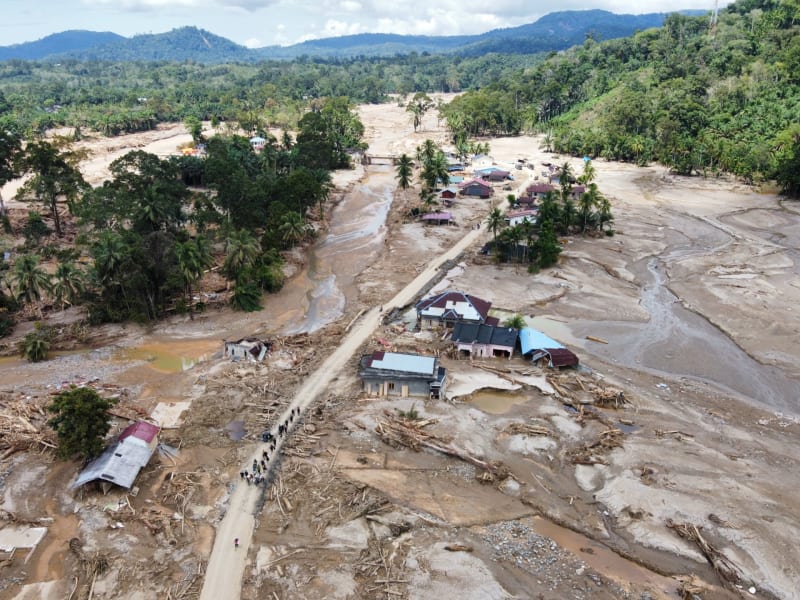
Global Communities Resilient in Face of Unprecedented 2025 Flooding Challenges
A devastating year of climate-related floods tested human endurance across multiple continents. Despite immense challenges, communities demonstrated remarkable strength and solidarity in the face of extreme weather events.
The year 2025 will be remembered as a pivotal moment in climate history, with devastating floods overwhelming communities from Southeast Asia to North America and the Middle East. These catastrophic events exposed critical vulnerabilities in infrastructure and highlighted the urgent need for comprehensive climate adaptation strategies.
Climate experts have been carefully analyzing the widespread flooding, seeking to understand the complex environmental factors driving these unprecedented disasters. Pawan Bhattarai, an assistant professor of civil engineering at Tribhuvan University in Nepal, characterized 2025 as a year where flooding emerged as the most significant global climate hazard.
In Gaza, already struggling under prolonged conflict, residents faced additional challenges from extreme weather. Multiple polar low-pressure systems brought heavy rainfall and strong winds, compounding the humanitarian crisis. Nearly 2 million displaced people living in makeshift shelters were particularly vulnerable, with storms like Byron causing significant damage and tragically claiming lives, including a newborn who succumbed to freezing temperatures.
Other regions experienced similarly devastating events. Morocco launched a nationwide emergency relief operation after flash floods killed 37 people and damaged dozens of homes and shops. In Indonesia, the situation was even more tragic, with 961 people losing their lives across three provinces. Experts pointed to environmental degradation, including illegal logging and forest loss, as contributing factors to the flooding's severity.
Southeast Asian countries bore a significant brunt of the water-related disasters. Thailand reported 276 flood-related deaths affecting multiple provinces, while neighboring Malaysia also experienced significant flooding. In Sri Lanka, Cyclone Ditwah caused extensive damage, killing 56 people and destroying infrastructure, further complicated by the country's challenging economic circumstances.
These events underscore the critical importance of proactive climate resilience and disaster preparedness. While the challenges are immense, the global community's response demonstrates remarkable human capacity for adaptation and mutual support. Climate experts emphasize the need for comprehensive infrastructure improvements, sustainable environmental practices, and robust emergency response systems.
As we move into 2026, the lessons learned from 2025's flooding events offer a crucial roadmap for building more resilient communities. By investing in early warning systems, sustainable urban planning, and collaborative international disaster response mechanisms, we can work together to mitigate future climate-related risks and protect vulnerable populations worldwide.
Based on reporting by Al Jazeera
This story was written by BrightWire based on verified news reports.
More Good News
 🌍 Planet
Global Water Crisis: How Earth's Continents Are Losing Precious Resources and What We Can Do
 🌍 Planet
Climate Change on a Dinner Plate: How What We Eat Impacts Our Planet
 🌍 Planet