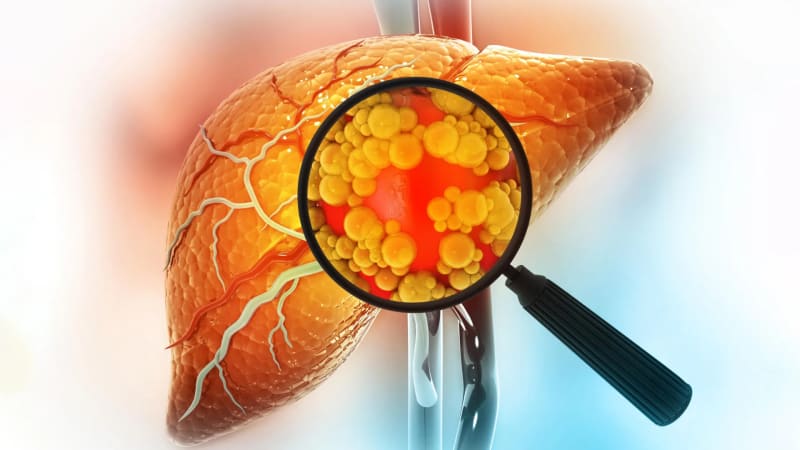
Shocking Discovery: How High-Fat Diets Secretly Rewire Liver Cells for Cancer Risk
MIT researchers reveal how high-fat diets trigger a dangerous cellular transformation in liver cells, potentially accelerating cancer risk through unexpected genetic adaptations. The study offers unprecedented insights into the molecular mechanisms underlying diet-related cancer development.
Scientists at MIT have uncovered a startling mechanism revealing how high-fat diets fundamentally transform liver cells, potentially setting the stage for cancer development long before traditional warning signs emerge.
In groundbreaking research published in Cell, researchers discovered that when liver cells are repeatedly exposed to fatty diets, they undergo a dramatic cellular transformation. Mature hepatocytes shift from their specialized state into a more primitive, stem-cell-like condition that dramatically increases cancer vulnerability.
Lead researcher Alex K. Shalek explains the phenomenon as a survival mechanism with dangerous long-term consequences. 'If cells are forced to deal with a stressor, such as a high-fat diet, over and over again, they will do things that help them survive, but at the risk of increased susceptibility to tumorigenesis,' he warns.
Using sophisticated single-cell RNA-sequencing, the research team tracked molecular changes in mice fed high-fat diets. They observed liver cells rapidly activating survival genes while simultaneously suppressing critical metabolic functions. These genetic shifts occurred quickly, with some developing over extended periods, ultimately leading to liver cancer in nearly all studied mice.
The study identified several key transcription factors potentially responsible for this cellular reversion, offering hope for future targeted medical interventions. By understanding how liver cells adapt to chronic stress, researchers may eventually develop strategies to interrupt cancer's earliest developmental stages.
Collaborators including Ömer Yilmaz and Wolfram Goessling highlighted the complex trade-offs occurring at the cellular level. Graduate student Constantine Tzouanas noted that cells prioritize individual survival over collective tissue health, creating a dangerous biological compromise that could accelerate cancer progression.
This groundbreaking research provides crucial insights into how dietary choices can fundamentally alter cellular behavior, offering a powerful reminder of nutrition's profound impact on long-term health.
Based on reporting by Health Daily
This story was written by BrightWire based on verified news reports.
Spread the positivity! 🌟
Share this good news with someone who needs it
More Good News
 🚀 Innovation
5 Breakthrough Innovations Transforming Outdoor Adventures in 2025
 🚀 Innovation
Scientists Unveil First Precisely Measured Rogue Planet Drifting Solo Through Space
 🚀 Innovation