Iranian Scientists Defy Sanctions, Successfully Launch Trio of Observation Satellites via Russian Rocket
Iran successfully launches three advanced Earth-observation satellites via a Russian rocket, showcasing remarkable scientific resilience. The mission demonstrates Iran's technological prowess despite international sanctions.
In a remarkable display of technological resilience, Iran has successfully launched three new Earth-observation satellites into space using a Russian Soyuz rocket, demonstrating the nation's commitment to scientific advancement despite international challenges.
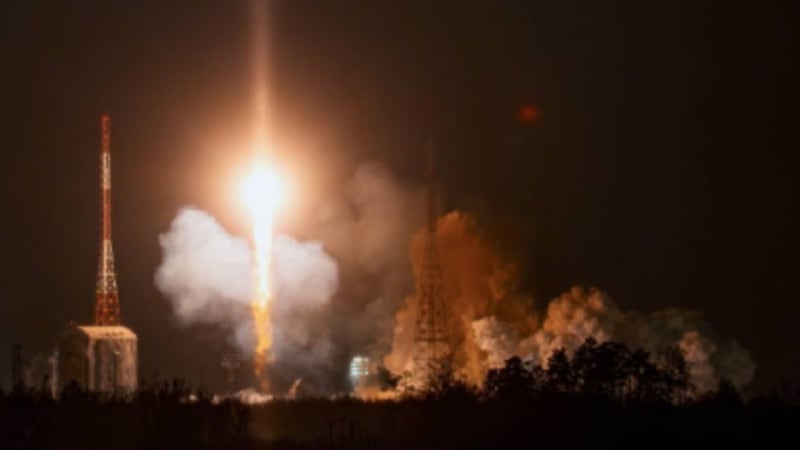
The strategic mission, which occurred on Sunday (Dec. 28), saw the deployment of three domestically designed satellites named Paya, Zafar 2, and Kowsar. These innovative spacecraft are designed to monitor critical national infrastructure, including agricultural landscapes, natural resource mapping, and environmental tracking.
The launch took place from Russia's Vostochny Cosmodrome in Siberia, as part of a comprehensive rideshare mission that included a total of 52 satellites from various international contributors. Iran's ambassador to Russia, Kazem Jalali, proudly emphasized the achievement, telling state television that these satellites were 'designed and produced by Iranian scientists... despite all the sanctions and threats.'
Russia's space agency Roscosmos coordinated the complex mission, which alongside the Iranian satellites, also launched two Russian Aist-2T Earth observation satellites and numerous cubesats. The mission additionally included a satellite for the Sputnix Group from the United Arab Emirates, cubesats from Russian universities, and a specialized satellite for measuring climate change and space weather.
This successful launch underscores Iran's growing capabilities in space technology, particularly impressive given the ongoing Western sanctions related to the country's nuclear program. By collaborating with Russia and leveraging domestic scientific expertise, Iran continues to make significant strides in satellite technology and space exploration.
The strategic importance of these Earth-observation satellites cannot be overstated, as they provide critical data for national planning, environmental monitoring, and resource management. Iran's commitment to scientific progress, even in the face of international constraints, highlights the nation's determination to advance its technological capabilities on the global stage.
Based on reporting by Space.com
This story was written by BrightWire based on verified news reports.
More Good News
 🚀 Innovation
Martian Minutes: Scientists Unravel the Mystery of Time Beyond Earth
 🚀 Innovation
NASA's Space Shuttle Discovery Faces Uncertain Future in Houston Museum Transfer
 🚀 Innovation