NASA in Transition: A Pivotal Year of Change and Challenge
NASA faces unprecedented changes in 2025, with significant budget cuts and workforce reductions threatening its scientific mission. Experts warn of potential long-term consequences for space exploration and technological innovation.
In a dramatic turn of events, NASA faces unprecedented transformation in 2025, with budget cuts, personnel reductions, and potential mission eliminations reshaping the legendary space agency's trajectory.
Henry Hertzfeld, a research professor of space policy at George Washington University, provides critical insight into these seismic shifts. 'Clearly, things have changed,' he observed, noting the significant loss of experienced personnel and institutional knowledge. The elimination of NASA's entire policy office represents a particularly stark development, potentially undermining the agency's strategic planning capabilities.
The workforce reduction has been especially pronounced, with approximately 20% cuts across NASA field centers. NASA's Goddard Space Flight Center has been particularly impacted, with plans to mothball half of its buildings and laboratories. Keith Cowing, founder of NASA Watch, highlighted the dramatic nature of these changes, which were significant enough to prompt inquiries from the House Oversight and House Science, Space and Technology committees.
Beyond personnel and infrastructure challenges, the funding shifts are fundamentally altering NASA's innovation landscape. Hertzfeld warns that Department of Defense spending is now the primary driver of space investment, potentially redirecting technological development toward security applications rather than civil space exploration. 'The aggregate commercial and government space sector will benefit, but quite differently from what we experienced in history,' he explained.
The scientific community is particularly concerned about long-term implications. Hertzfeld emphasized that NASA's scientific research division, though small, has historically been a critical source of groundbreaking discoveries. 'The science part of NASA is relatively small but is the one true research area that has produced significant learning and information over the years,' he noted. The potential exodus of highly skilled scientists seeking opportunities outside government work represents a substantial risk to future space research.
As Congress deliberates NASA's future, the agency stands at a critical crossroads. The proposed budget cuts and restructuring could permanently alter its mission, capabilities, and global scientific leadership. While the full impact remains uncertain, one thing is clear: NASA in 2025 is experiencing a transformative moment that will likely define its trajectory for decades to come.
Based on reporting by Space.com
This story was written by BrightWire based on verified news reports.
More Good News
 🚀 Innovation
Martian Minutes: Scientists Unravel the Mystery of Time Beyond Earth
 🚀 Innovation
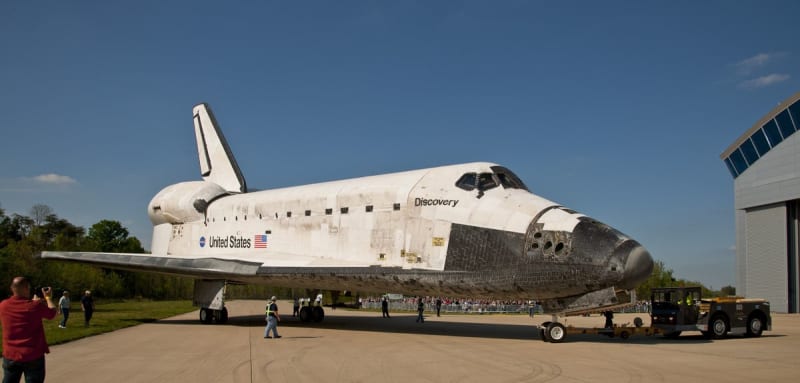
NASA's Space Shuttle Discovery Faces Uncertain Future in Houston Museum Transfer
 🚀 Innovation