Invisible Citizens: How Missing Birth Certificates Trap Millions in Stateless Limbo
In South Africa, thousands live 'invisible' lives without birth certificates, unable to access basic rights. Advocates argue citizenship is a fundamental human entitlement, not a privilege.
In the bustling townships of South Africa, a silent struggle unfolds for thousands of individuals whose very existence is questioned by the absence of a simple piece of paper. Birth certificates, often overlooked documents for many, represent far more than bureaucratic records - they are keys to basic human rights and opportunities.
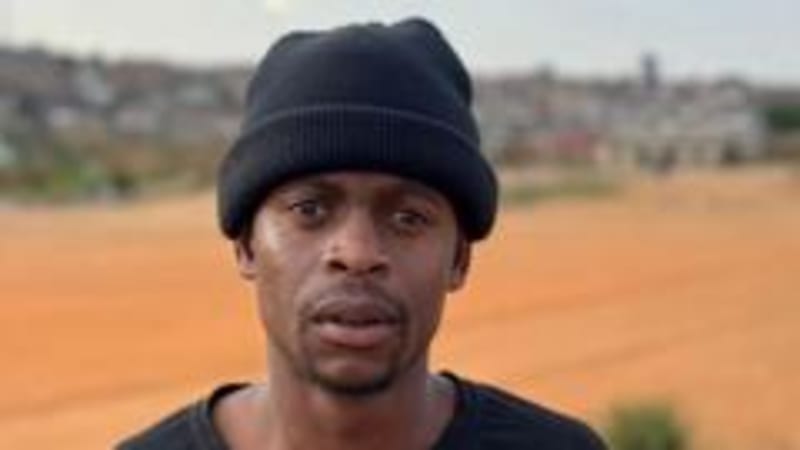
Arnold Ncube, a 25-year-old car washer in Thembisa township near Johannesburg, knows this reality intimately. Born to a South African father and abandoned early in life, Ncube found himself locked out of education, employment, and basic services simply because he lacks official documentation.
Estimated at around 10,000 individuals in South Africa alone, stateless people like Ncube navigate an invisible existence. Without citizenship documents, they cannot open bank accounts, pursue higher education, or secure stable employment. "You're basically invisible. You don't exist. It's like you're living in the shadows," Ncube explains, reflecting the profound emotional toll of statelessness.
The roots of this issue are complex, stemming from administrative barriers, poor record-keeping, and intricate migration histories. For Christy Chitengu, a human rights lawyer who herself overcame statelessness, the challenge is deeply personal. Born to Zimbabwean parents in Johannesburg, she discovered her stateless status at 17 when her high school principal revealed she lacked proper documentation.
Chitengu's journey highlights the bureaucratic complexities that trap individuals between nations. Her handwritten birth certificate was insufficient, and late registration with Zimbabwe became impossible. Fortunately, with pro-bono support from Lawyers for Human Rights, she eventually secured South African citizenship.
Despite governmental challenges, advocates like Chitengu argue that citizenship is not a privilege but a fundamental human right. "Citizenship is an entitlement for someone to live a dignified life and to be seen as a human being," she emphasizes, challenging perspectives that view documentation as a reward rather than a necessity.
As global migration continues to reshape national boundaries, the stories of Ncube, Chitengu, and thousands of others underscore the critical importance of comprehensive, compassionate documentation policies that recognize every individual's inherent right to belong.
Based on reporting by BBC News
This story was written by BrightWire based on verified news reports.
Spread the positivity! 🌟
Share this good news with someone who needs it
More Good News
 ✨ Good News
Kano State Commits Nearly ₦7 Billion to Transform Infrastructure and Community Development
 ✨ Good News
Knorr Spreads Holiday Joy Across 21 Markets, Touching 30 Communities Nationwide
 ✨ Good News