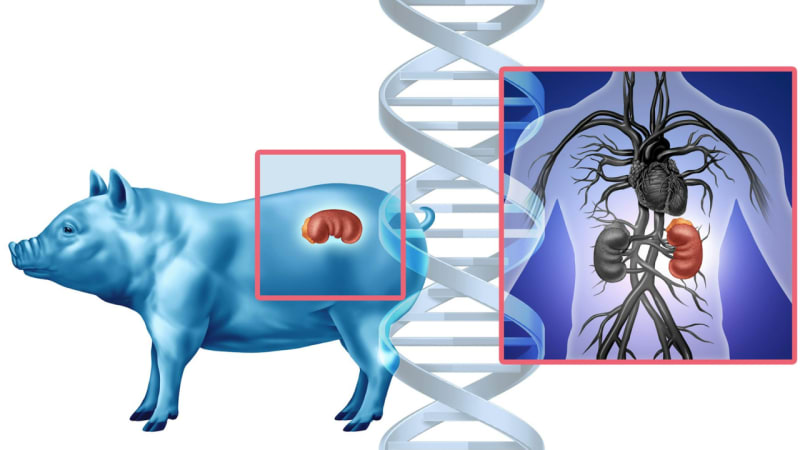
How Pig Organs Could Save Thousands of Lives Waiting for Transplants
Groundbreaking medical research is exploring xenotransplantation as a potential solution to organ shortages. Scientists are making remarkable progress in using genetically modified pig kidneys to help patients in need.
In a desperate race against time, over 100,000 Americans wait for life-saving organ transplants, with thousands dying each year before a donor becomes available. Medical science is now turning to an unexpected solution: genetically modified pig organs that could revolutionize how we approach organ replacement.
In October 2025, doctors made medical history by transplanting a specially engineered pig kidney into a human patient during a groundbreaking clinical trial. This kidney, meticulously modified to mimic human tissue, represents a potential breakthrough in addressing the critical organ shortage that has long challenged medical professionals.
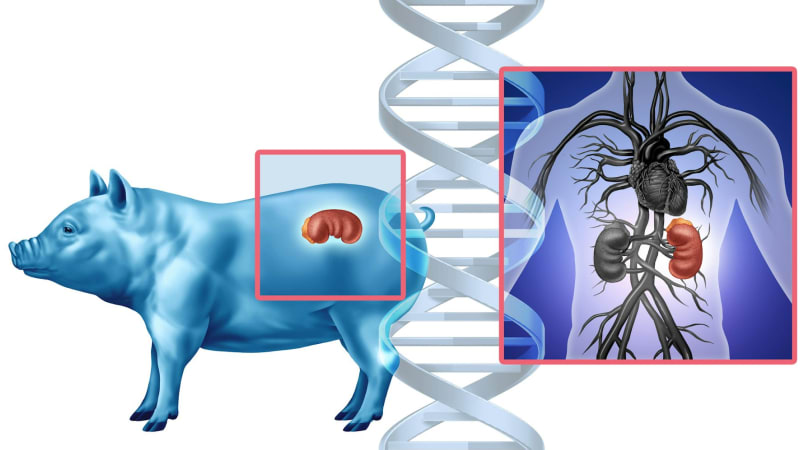
For decades, the idea of using animal organs in human patients seemed like science fiction. Now, researchers are pursuing two primary approaches: editing pig genes to make their organs more compatible with human biology, and attempting to grow human organs inside pig embryos. The latter approach was paused by the National Institutes of Health in 2015 due to ethical concerns about potentially blurring the lines between human and animal biology.
The challenges of cross-species organ transplantation, known as xenotransplantation, are significant. The human immune system naturally attacks cells it doesn't recognize as its own, making organ rejection a critical problem. Recent experiments highlight both the promise and complexity of this approach. In January 2025, a patient in New Hampshire received a gene-edited pig kidney, which ultimately had to be removed nine months later due to declining function.
Scientists are working diligently to overcome these challenges. By carefully inserting human genes and removing specific pig genes, researchers hope to create organs that the human body might tolerate. However, recipients still require powerful immunosuppressant drugs during and after the transplant procedure, a necessity even in human-to-human organ transfers.
The most ambitious approach involves growing organs from a patient's own stem cells within animal embryos. By disabling specific genes in pig embryos and introducing human stem cells, researchers aim to create genetically matched organs that could potentially eliminate rejection risks. While technically complex, previous experiments—such as growing a mouse pancreas inside a rat—have already demonstrated the basic feasibility of cross-species organ development.
The ethical debates surrounding this research are nuanced. Policymakers initially feared that human cells might spread throughout an animal's body, potentially altering its cognitive state. Yet, current research seems more comfortable with the idea of making humans 'a little more pig' through organ transplantation.
As medical science continues to push boundaries, the potential to save thousands of lives hangs in the balance. The journey from experimental concept to standard medical procedure is long and complex, but each breakthrough brings hope to those waiting for a second chance at life.
Based on reporting by Live Science
This story was written by BrightWire based on verified news reports.
Spread the positivity! 🌟
Share this good news with someone who needs it
More Good News
 🚀 Innovation
Medical Miracles: How Gene Therapy and Innovative Treatments Are Reshaping Healthcare in 2026
 🚀 Innovation
Medical Miracles: How Science Pushed Healthcare Forward in 2025
 🚀 Innovation