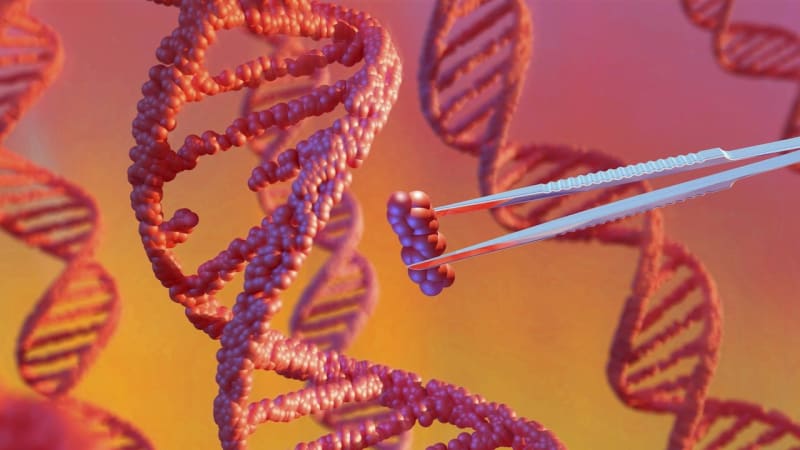
Medical Miracles: How Gene Therapy and Innovative Treatments Are Reshaping Healthcare in 2026
Groundbreaking gene therapies and emerging medical technologies are offering hope for patients with previously untreatable conditions. Scientists are pushing the boundaries of medical innovation, from personalized CRISPR treatments to revolutionary transplantation techniques.
Medical science is standing at a remarkable crossroads, where decades of research are transforming from theoretical possibilities into tangible treatments that could fundamentally change human health.
The landscape of medical innovation is rapidly evolving, with gene therapies and cutting-edge technologies offering unprecedented hope for patients facing once-intractable diseases. Perhaps the most compelling example is baby KJ Muldoon, who became the first person to receive a customized CRISPR treatment designed specifically to address a rare genetic condition.
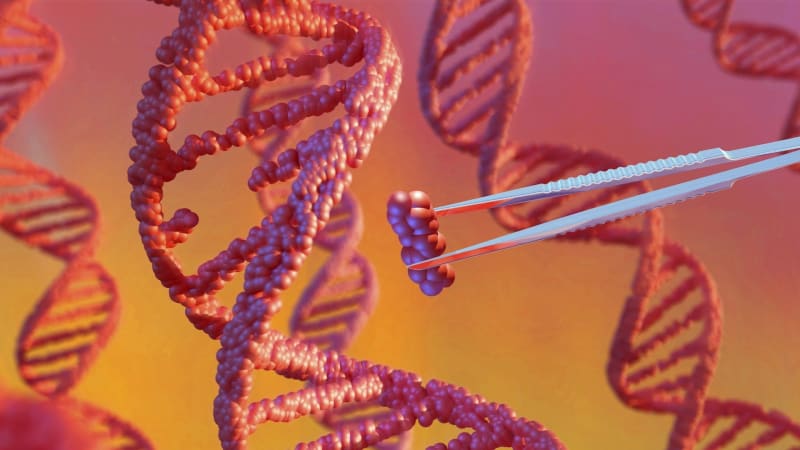
KJ's treatment represents a quantum leap in personalized medicine. Unlike previous CRISPR therapies that required removing and re-editing cells in a laboratory, this approach edits mutations directly inside the patient's body. Doctors are now collaborating with the Food and Drug Administration to make such bespoke treatments more accessible, potentially opening doors for countless patients with genetic disorders.
The medical research landscape in 2026 is buzzing with promising developments. Scientists are conducting clinical trials for gene therapies targeting Huntington's disease, high cholesterol, congenital deafness, and innovative cancer treatments involving base editing of immune cells. Preclinical research is even exploring 'mutation agnostic' treatments that could work across broader patient populations.
Another fascinating area of medical innovation is mitochondrial donation, a technique being tested in the United Kingdom during in vitro fertilization. This approach aims to prevent mothers with harmful mitochondrial DNA mutations from passing genetic risks to their children. Early trial results have been encouraging, suggesting a potential breakthrough in genetic inheritance prevention.
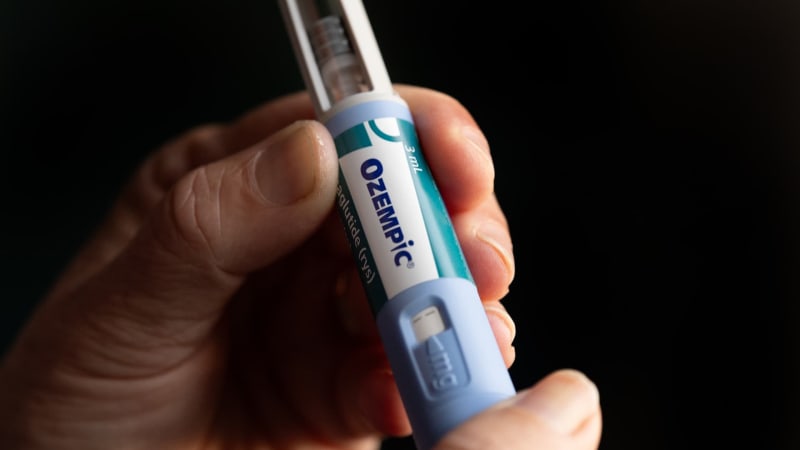
The rise of GLP-1 drugs like Ozempic is also revealing unexpected medical potential. Beyond weight loss and blood sugar control, early research suggests these medications might help treat conditions like migraines, alcohol use disorder, and heart failure. While not a universal solution — they recently failed in an Alzheimer's disease trial — these drugs are prompting deeper investigations into metabolic connections with various health conditions.
Emerging research on senolytics, drugs designed to clear aged cellular matter from the body, represents another frontier of medical innovation. Combined with ongoing xenotransplantation research exploring the potential of animal organ transplants, these technologies suggest we are entering an unprecedented era of medical possibility.
As we move through 2026, the medical community stands at an exciting intersection of technological innovation and human potential. The convergence of gene therapy, personalized medicine, and advanced research techniques offers hope that many conditions once considered untreatable might soon become manageable or even curable.
Based on reporting by Live Science
This story was written by BrightWire based on verified news reports.
More Good News
 🚀 Innovation
Medical Miracles: How Science Pushed Healthcare Forward in 2025
 🚀 Innovation
First Opinion Essays of 2025: A Revealing Window into Healthcare's Most Urgent Conversations
 🚀 Innovation