How One French City Eliminated Bus Fares and Transformed Urban Life
Dunkirk, France transformed urban mobility by making buses completely free, resulting in a 165% increase in ridership and dramatically reducing car traffic. This innovative approach proves that bold transportation solutions can reshape city living.
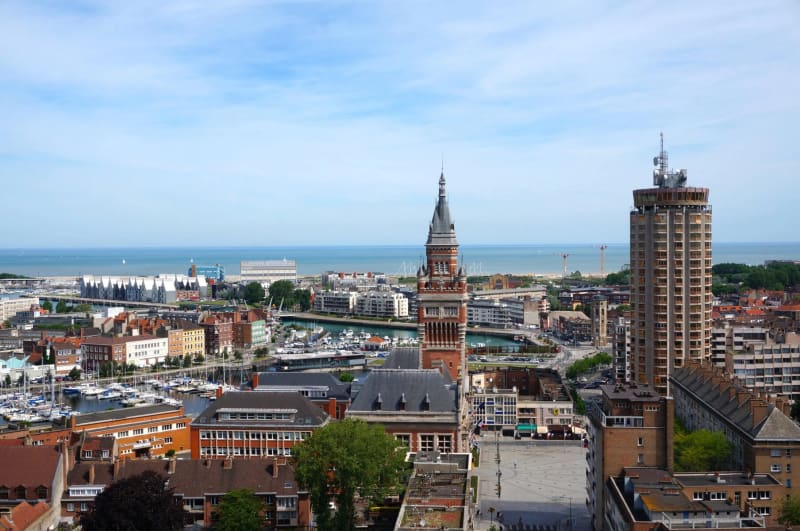
In the bustling northern French city of Dunkirk, buses race through streets like precision vehicles, transforming how residents move and interact. Pink, green, and blue buses dart between stops, carrying passengers without a single coin or transit card changing hands - a revolutionary approach to public transportation that has captured global attention.
When Mayor Patrice Vergriete first proposed making buses completely free in 2014, it seemed like an audacious experiment. With a doctorate in urban planning, Vergriete understood that transit was about more than moving people - it was about creating accessibility, reducing pollution, and reimagining urban mobility. Today, approximately 150 vehicles traverse 18 routes, serving 200,000 residents with zero fare requirements.
The implementation wasn't an overnight miracle. City leaders spent four critical years meticulously preparing. They surveyed residents, simplified timetables, upgraded vehicle quality, repositioned bus stops, and expanded their fleet. In 2015, they first introduced free weekend travel as a strategic test before fully launching the program in September 2018.
Jean-François Montagne, the deputy mayor overseeing ecological transitions, emphasizes that successful free transit requires more than just removing ticket costs. 'You can't just make buses free from one day to the next,' he explains. The city reinvented public transit's image, ensuring daily bus cleaning, rapid repairs, and consistent 10-minute arrival schedules. They also developed smartphone apps allowing passengers to track bus locations and occupancy in real-time.
The results have been dramatic. Bus ridership exploded by 165 percent, fundamentally changing how Dunkirk's residents navigate their city. Maxime Huré, a political sciences lecturer, notes the program has 'revitalized the city' and functions as a form of social redistribution. A 2019 study revealed that residents are making more city center trips, with approximately half of new riders previously using personal vehicles.
For daily users like Theo, a 23-year-old gardener, the benefits are tangible. 'It's not bad, really not bad,' he says with classic French understatement. 'You never have to wait long. There's less car traffic and less pollution because of it. And it's free.'
While critics argue such models might be challenging to scale in larger metropolitan areas, Dunkirk offers a compelling proof of concept. By prioritizing resident freedom and innovative mobility solutions, this small French city has demonstrated how reimagining public transit can transform urban life.
Based on reporting by Reasons to be Cheerful
This story was written by BrightWire based on verified news reports.
Spread the positivity! 🌟
Share this good news with someone who needs it