Hong Kong's Smoking Crackdown: Citizens Adapt to New Public Transport Rules
Hong Kong launches innovative new smoking restrictions at public transport points, testing citizen awareness and compliance. Initial observations reveal a mix of understanding and adaptation among residents and visitors.
In a bold move to improve public health and urban cleanliness, Hong Kong has implemented strict new smoking regulations that are testing both compliance and awareness among residents and visitors.
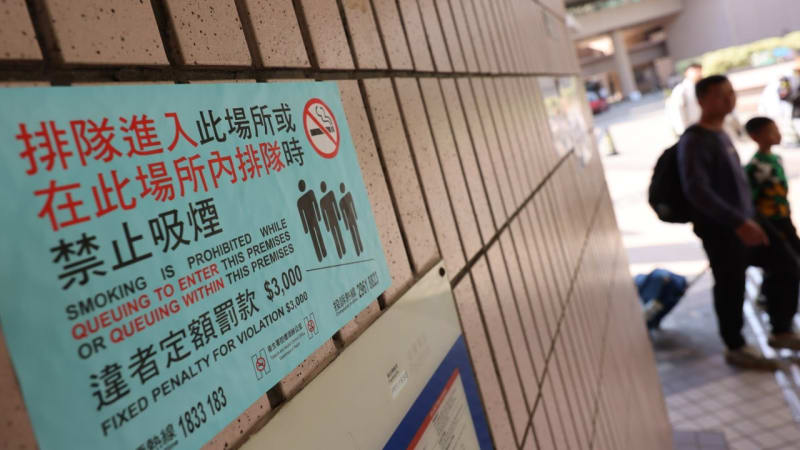
The city's latest policy, which went into effect on Thursday, specifically targets smoking behavior at public transport boarding points, prohibiting individuals from lighting up when queuing with two or more people.
During initial observations, BrightWire reporters discovered mixed levels of understanding and adherence to these new guidelines. At a bustling bus stop along Tsim Sha Tsui's Canton Road, a freelance worker named Ray admitted he was unaware of the new regulations, casually lighting a cigarette while standing in line.
In contrast, Matthew Ong, a 38-year-old lawyer visiting from the Philippines, demonstrated careful compliance. Smoking his e-cigarette only when no other passengers were waiting at the Star Ferry Pier bus stop, Ong explained he had learned about the ban through prior media reports.
City authorities have responded proactively, increasing inspections at popular tourist locations and intensifying public awareness campaigns to ensure smooth implementation of the new rules.
These regulations represent another step in Hong Kong's ongoing efforts to create healthier, more considerate public spaces, encouraging residents and visitors alike to be mindful of their environmental and health impacts.
Based on reporting by South China Morning Post
This story was written by BrightWire based on verified news reports.
Spread the positivity! 🌟
Share this good news with someone who needs it
More Good News
 💡 Solutions
18 States Revolutionize Nutrition for SNAP Recipients with Strategic Food Choice Reforms
 💡 Solutions
Home Vaccine Visits to Protect 500,000 Children Missed by Healthcare System
💡 Solutions