Copyright Expiration Unleashes Creative Treasure Trove for 2026
In 2026, thousands of creative works from the 1930s will enter the public domain, offering artists unprecedented access to cultural treasures. This annual event allows reimagination of classic characters and stories, fueling creative innovation.
On January 1st, 2026, a fascinating cultural renaissance will unfold as thousands of creative works from the early 1930s enter the public domain, offering artists, creators, and enthusiasts unprecedented access to historic cultural artifacts.
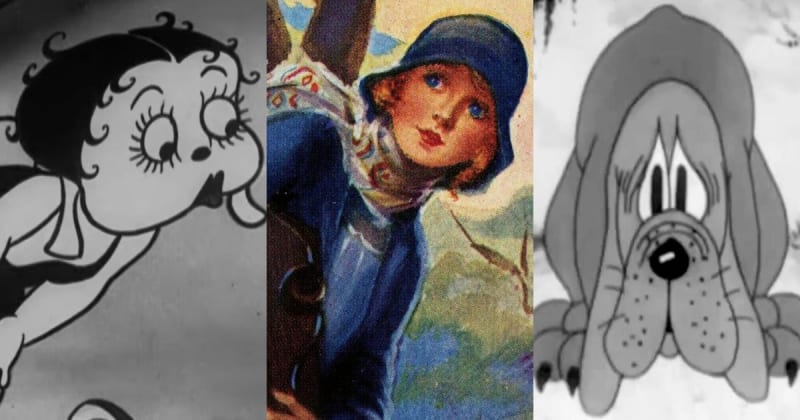
This annual celebration of creative freedom means characters like the original Betty Boop and classic Nancy Drew stories will become available for reimagination and reinterpretation, joining other recently liberated icons like Popeye the Sailor Man and the original 'Steamboat Willie' version of Mickey Mouse.
According to Jennifer Jenkins, director of Duke University's Center for the Study of the Public Domain, this process is fundamental to artistic innovation. 'Copyright gives rights to creators and their descendants that provide incentives to create,' Jenkins explained. 'But the public domain really is the soil for future creativity.'
The U.S. Constitution's intellectual property clause establishes that creative works receive time-limited protections 'to promote the progress of science and useful arts.' Typically, works published before 1978 retain copyright protections for 95 years, allowing creators and their estates to benefit from their intellectual property while ensuring eventual public access.
However, navigating public domain isn't without complexity. While the 1930 Betty Boop character becomes freely usable, modern interpretations remain protected. Trademarks can further complicate usage, requiring creators to carefully study original versions before adaptation.
Looking ahead, 2027 promises another exciting wave of public domain entries, including Universal Pictures' classic monster films 'Frankenstein' and 'Dracula', Charlie Chaplin's 'City Lights', Fritz Lang's 'M', and the beloved jazz standard 'As Time Goes By' by Herman Hupfeld.
This annual ritual of creative liberation represents more than just legal transitions—it's a celebration of cultural evolution, allowing new generations to reinterpret, reimagine, and build upon the foundational works that have shaped our collective artistic landscape.
Based on reporting by CBS News
This story was written by BrightWire based on verified news reports.
Spread the positivity! 🌟
Share this good news with someone who needs it
More Good News
 🚀 Innovation
Celestial Spectacle: A Stargazer's Guide to Planetary Displays in 2026
 🚀 Innovation
Retail Innovator Turns Everyday Objects into Sales Strategy, Doubles Revenue
 🚀 Innovation