Celestial Spectacle: A Stargazer's Guide to Planetary Displays in 2026
2026 offers a spectacular planetary display with rare conjunctions, lunar occultations, and stunning celestial alignments. From Mercury's delicate appearance to Jupiter's dramatic interactions, sky watchers are in for an unforgettable year of astronomical events.
Space enthusiasts and amateur astronomers, mark your calendars! The year 2026 promises a mesmerizing journey through our solar system, with planetary alignments, stunning conjunctions, and rare celestial events that will captivate sky watchers around the globe.
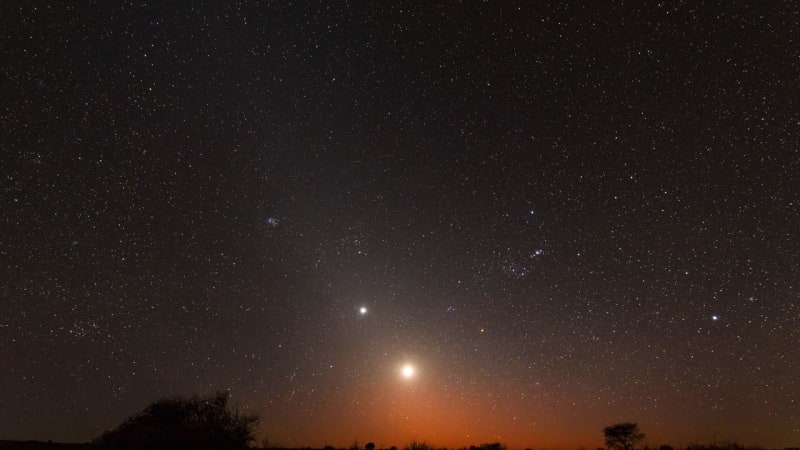
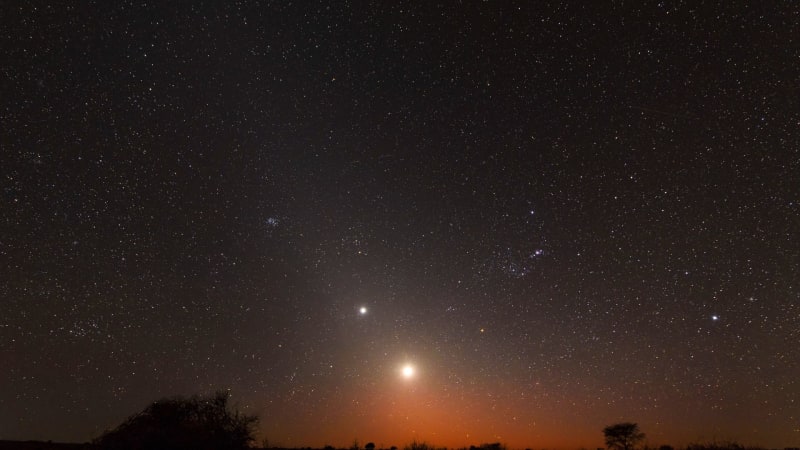
Mercury kicks off the astronomical adventure, appearing as a delicate evening star in the western sky. This smallest planet visible to the naked eye will shine with a distinctive yellowish-ochre tint, requiring observers to find a clear, unobstructed horizon to catch its brief appearance. A particularly magical moment occurs on February 18, when Mercury will sit just one degree above a slender waxing crescent moon low in the west-southwest, creating a breathtaking visual display about 30 minutes after sunset.
Venus takes center stage with its brilliant, steady silvery light, reaching greatest brilliancy in the evening sky on September 19 and in the morning sky on November 29. Telescope and binocular enthusiasts will be treated to a striking crescent phase throughout late September, mid-October, and most of November, offering an unprecedented view of Earth's closest planetary neighbor.
Mars presents a more subdued performance in 2026, beginning the year lost in the sun's glare and reaching solar conjunction on January 9. The red planet will slowly reemerge in the third week of March, rising before sunrise in Aquarius before moving into Taurus for the first half of summer. A notable highlight comes on July 4, when Mars sits just 0.1 degree north of Uranus, providing an excellent navigational marker for stargazers.
Jupiter delivers some of the year's most spectacular displays, reaching opposition on January 10 and shining brightest from January 1-22 in the Gemini constellation. A must-see event occurs on June 9, when Jupiter pairs with Venus in a stunning 'double planet' display low in the west-northwest at dusk. The most dramatic Jupiter moment arrives on October 6, when a lunar occultation will cause the planet to dramatically disappear behind and reemerge from the moon's surface, visible across most of North America.
Saturn and Uranus offer their own unique viewing opportunities, with Saturn reaching opposition on October 4 and slowly reopening its famous rings after they turned edge-on in 2025. Uranus will spend the entire year in Taurus, reaching opposition on November 25 and remaining brightest from October 24 to December 30. Neptune completes the planetary tour, remaining in Pisces and reaching opposition on September 25.
Whether you're an experienced astronomer or a curious novice, 2026 promises a celestial showcase that will inspire wonder and spark imagination about the vast, beautiful universe surrounding our planet.
Based on reporting by Space.com
This story was written by BrightWire based on verified news reports.
Spread the positivity! 🌟
Share this good news with someone who needs it
More Good News
 🚀 Innovation
Stargazers' Delight: 15 Breathtaking Sky Spectacles Coming in 2026
 🚀 Innovation
January's Wolf Supermoon: A Celestial Spectacle Illuminating Winter Skies
 🚀 Innovation