Celestial Spectacle: A Stargazer's Guide to New Year's Eve 2025
Prepare to be mesmerized by a stunning astronomical display this New Year's Eve. As fireworks fade, the night sky will unveil a breathtaking panorama of planets, stars, and lunar beauty.
As the world prepares to bid farewell to 2025, astronomy enthusiasts have a spectacular celestial performance awaiting them. Beyond the traditional fireworks and celebrations, the night sky promises a mesmerizing display of cosmic wonder that will captivate stargazers and casual observers alike.
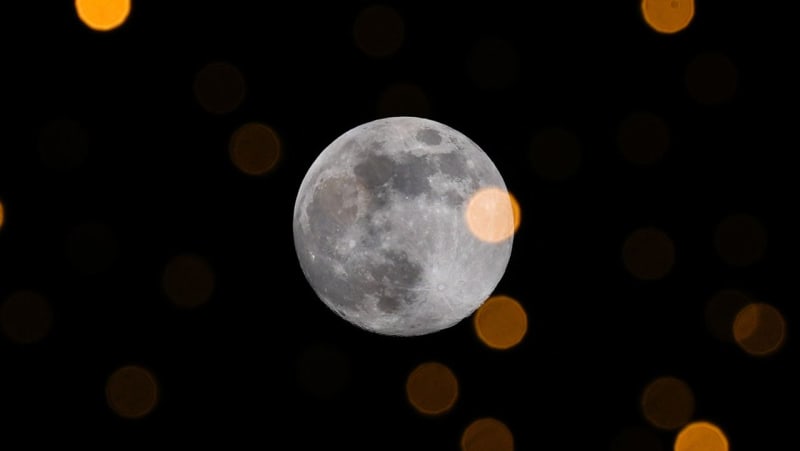
The lunar landscape will dominate the eastern horizon in the hours after sunset, with a magnificent 95%-lit waxing gibbous moon shining brightly in the constellation Taurus. Just five degrees to the upper right of the moon—approximately the width of three fingers held at arm's length—the delicate Pleiades open star cluster will twinkle invitingly, creating a stunning visual tableau.
Jupiter, the "king of the planets," will command attention near the constellation Gemini, positioned close to its two brightest stars, Castor and Pollux. Stargazers will be treated to its brilliant illumination, standing out distinctly to the left of the iconic Orion constellation, which will be visible low on the eastern horizon.
Saturn offers its own celestial spectacle, steady and bright on the southern horizon. Those with a telescope featuring a 6-inch aperture can glimpse the planet's famous rings, currently oriented edge-on to Earth. Throughout 2026, these rings will gradually unfurl, revealing their majestic structure, including the fascinating 2,980-mile Cassini Division.
As midnight approaches, the astronomical landscape will shift. Saturn will descend below the horizon, while the moon and Jupiter remain prominently overhead. Sky watchers can locate Polaris—the North Star—approximately 40 degrees above the northern horizon, which serves as the celestial pivot around which the entire sky seems to rotate. Nearby, the familiar Big Dipper will stand tilted, balancing on the tip of its handle.
For those inspired to delve deeper into astronomical observation, the Celestron NexStar 8SE telescope emerges as an exceptional companion for exploring the 2026 skies. Though somewhat expensive, it offers remarkable capabilities for astrophotography and deep-space exploration, promising stunning visual experiences for both novice and experienced stargazers.
As the final moments of 2025 fade and a new year dawns, these celestial bodies will continue their silent, majestic journey across the night sky. Each twinkling star and planetary movement represents an invitation to marvel at the universe's infinite complexity and beauty, reminding us that wonder exists far beyond our earthly celebrations.
Whether you're a seasoned astronomer or a curious first-time observer, this New Year's Eve sky offers a breathtaking reminder of the cosmic drama unfolding above us. Clear skies and astronomical joy to all!
Based on reporting by Space.com
This story was written by BrightWire based on verified news reports.
More Good News
 🚀 Innovation
NASA Chief Reveals Potential Lunar Twist in Space Shuttle Relocation Plans
 🚀 Innovation
Electric Vehicle Revolution Continues: Europe's Auto Market Surges with 37% BEV Growth
 🚀 Innovation