California's Snowpack Rebounds: Hope Springs in Sierra Nevada After December Storms
California's snowpack shows promising early signs after December storms, with state officials cautiously optimistic about water resources. The Sierra Nevada's snow levels offer hope for a balanced water supply in the coming year.
In a promising turn of events for California's water future, recent December storms have breathed new life into the state's critical mountain snowpack, offering renewed optimism for water resources in the coming year.
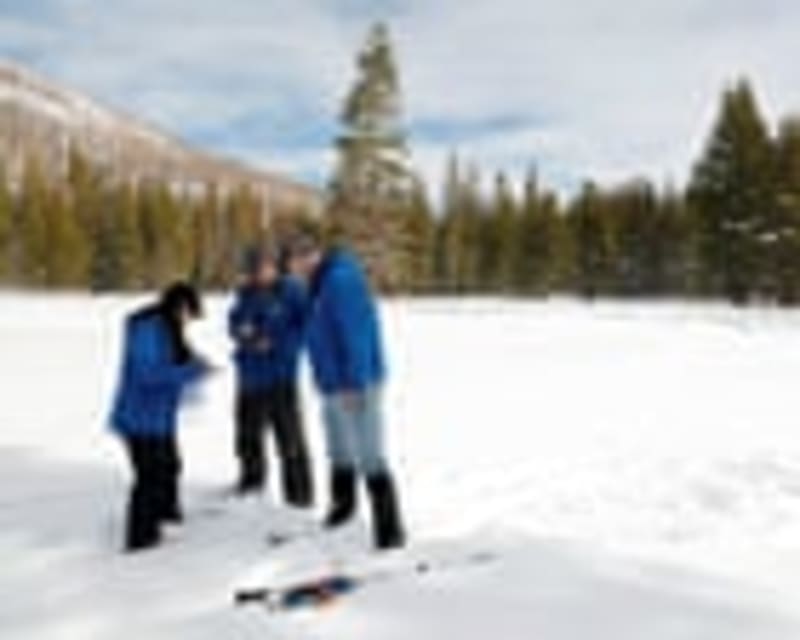
The California Department of Water Resources announced a significant snow depth of 24 inches at the Phillips station in the Sierra Nevada, marking a crucial first snapshot of the season's potential water supply. State hydrometeorologist Angelique Fabbiani-Leon reported that the statewide snowpack currently stands at 71% of its historical average, signaling a potentially positive trajectory after earlier dry conditions.
These measurements are more than just numbers—they represent California's frozen water reservoir, which typically provides about one-third of the state's annual water needs. After a period of warm, dry weather that delayed snow accumulation, a powerful atmospheric river unleashed record rainfall in areas like Los Angeles and substantial mountain snowfall, helping to establish a foundational base for the water year.
Fabbiani-Leon cautiously emphasized the early nature of these measurements, stating, "While California is in a better position now, it is still early in the season and our state's water supply for this year will ultimately depend on a continued cadence of storms throughout winter and early spring." The water content at Phillips station currently sits at 50% of the average for this time of year and just 21% of the April 1st typical peak.
David Rizzardo, the department's hydrology section manager, noted an emerging trend of increased rainfall versus snowfall. "We'd like to see the snow accumulation pick up by April 1 so that we're closer to average," he explained. Fortunately, the state's reservoir system offers some buffer, currently measuring at an encouraging 123% of average for this season.
These measurements carry significant weight for California, home to 39 million residents and a critical agricultural hub producing much of the nation's fresh produce. The delicate balance of snowpack directly influences water availability for farms and cities during the hot summer months, making each winter's accumulation a crucial indicator of potential challenges.
While the current measurements are about half of last year's levels, they represent a hopeful start after years of dramatic climate fluctuations. Just a year ago, the Phillips station recorded a snowpack at 91% of average, and in 2025, the state enjoyed near-average snow levels and reservoirs above historic capacity following a prolonged drought.
As California continues to navigate its complex water landscape, these December storms offer a glimmer of hope—a reminder of nature's resilience and the importance of each snowflake in sustaining the state's vibrant ecosystem and agricultural heritage.
Based on reporting by Guardian US
This story was written by BrightWire based on verified news reports.
More Good News
 🌍 Planet
Global Communities Resilient in Face of Unprecedented 2025 Flooding Challenges
 🌍 Planet
Hope Springs: Five Wildlife Species Staging Remarkable Comebacks
 🌍 Planet