Bulgaria Joins Eurozone in 2026: A Milestone in European Integration
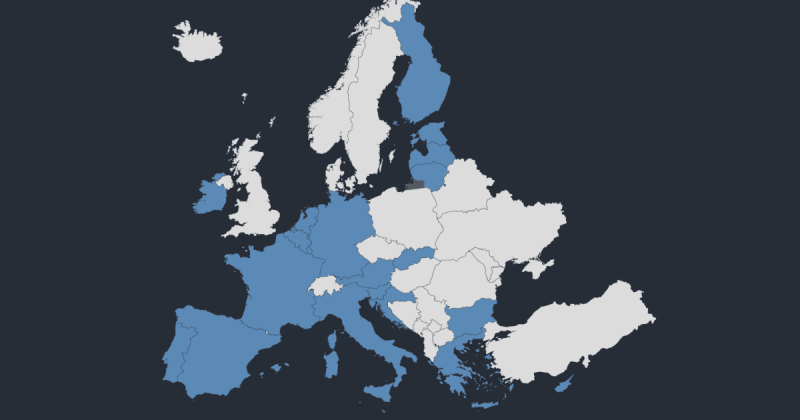
Bulgaria prepares to join the eurozone in 2026, becoming the 21st country to adopt the shared currency. This milestone represents another step in European economic integration and monetary cooperation.
In a historic step towards deeper European unity, Bulgaria is set to embrace the euro as its official currency on January 1, 2026, marking another significant milestone in the country's journey of continental integration. The Balkan nation, home to 6.7 million people, will become the 21st European country to adopt the shared monetary system, following its EU membership in 2007 and recent entry into the Schengen Area in March 2024.
The euro, managed by the European Central Bank, represents more than just a currency—it's a symbol of economic cooperation and shared prosperity across the continent. Currently used by approximately 350 million people, the euro stands as the world's most popular official currency and the second-most traded reserve currency after the US dollar. Its distinctive banknotes, featuring different European architectural designs, will soon become familiar to Bulgarian citizens replacing their national lev.
Bulgaria's transition follows a strict set of economic criteria that all potential eurozone members must meet. Before adoption, countries are required to participate in the Exchange Rate Mechanism (ERM II) for at least two years, during which their national currency is carefully pegged to the euro. This careful process ensures economic stability and prevents sudden monetary fluctuations that could disrupt financial markets.
With Bulgaria's entry, only six European Union member states will remain outside the eurozone: the Czech Republic, Denmark, Hungary, Poland, Romania, and Sweden. Interestingly, Denmark maintains a unique position with a formal opt-out from euro adoption, negotiated in the 1992 Edinburgh Agreement. This makes it the only EU member explicitly exempt from the currency transition.
The euro's historical journey is a testament to European economic integration. First introduced as an accounting currency in 1999, physical coins and banknotes entered circulation in 2002, ultimately replacing national currencies across multiple countries. The initial 11 countries adopted the euro in 1999, with Greece joining in 2001, followed by waves of additional countries between 2007 and 2015. Bulgaria's 2026 entry continues this progressive narrative of continental monetary unification.
Beyond official EU members, the euro's influence extends to small European nations like Andorra, Monaco, San Marino, and Vatican City, which have formal agreements to use the currency despite not being EU members. This broader adoption underscores the euro's role as a powerful economic and political instrument of European cooperation and shared identity.
Based on reporting by Al Jazeera
This story was written by BrightWire based on verified news reports.
More Good News
 💡 Solutions
Poland Raises Alarm on AI-Generated Disinformation Targeting EU Membership
 💡 Solutions
How Tesla Revolutionized European Electric Vehicle Policy
 💡 Solutions