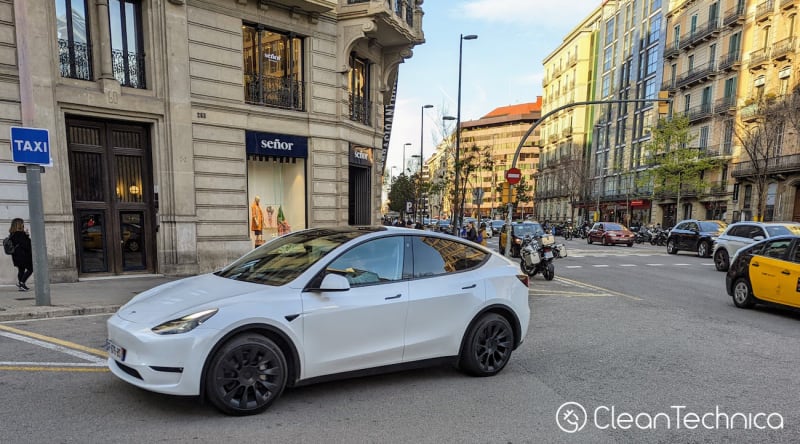
How Tesla Revolutionized European Electric Vehicle Policy
Tesla's revolutionary Model 3 transformed European electric vehicle perceptions, challenging automotive industry assumptions and pushing regulatory boundaries. The company's impact continues to reshape global transportation policy.
In the complex world of automotive policy and environmental regulation, one company has emerged as a pivotal force in transforming electric vehicle perceptions: Tesla. Despite skepticism from traditional automakers, Tesla's groundbreaking Model 3 launch effectively challenged long-standing industry assumptions about consumer electric vehicle interest.
The European Union had established CO2 reduction requirements for the automotive sector as early as 2009, with stricter guidelines implemented in 2014. However, significant resistance emerged from German and Italian automotive industries, who argued that consumers were uninterested in electric vehicles and that mandated production would result in financial losses.
Tesla's Model 3 fundamentally disrupted these narratives. When millions of people worldwide queued to reserve the vehicle, it provided irrefutable evidence of robust consumer demand for compelling, relatively affordable electric cars. This public enthusiasm effectively neutralized automotive lobbyist arguments and encouraged policymakers to push legacy manufacturers toward genuine electrification efforts.
The early 2020s saw exponential electric vehicle sales growth in the European Union, with market share expanding rapidly. Many EV enthusiasts believed this represented an irreversible transformation of automotive technology and policy. However, recent developments have introduced unexpected complexity to this narrative.
Tesla's global sales have recently declined, particularly in Europe - a trend partially attributed to controversial statements by CEO Elon Musk. Simultaneously, the EU has begun modifying its original stringent automotive emissions requirements, allowing manufacturers more flexible compliance timelines for CO2 reduction targets.
While some might view these policy adjustments as independent developments, the original analysis suggests Tesla's earlier market disruption prevented even more substantial regulatory concessions. The company's innovative approach effectively compelled traditional automakers to take electric vehicle development seriously, fundamentally reshaping industrial expectations.
As the automotive landscape continues evolving, Tesla's legacy remains complex but undeniably transformative. The company demonstrated that consumer enthusiasm, technological innovation, and environmental consciousness could challenge entrenched industrial paradigms, ultimately accelerating global electric vehicle adoption.
Based on reporting by CleanTechnica
This story was written by BrightWire based on verified news reports.
More Good News



Start Your Day With Good News
Join 50,000+ readers who wake up to stories that inspire. Delivered fresh every morning.
No spam, ever. Unsubscribe anytime.