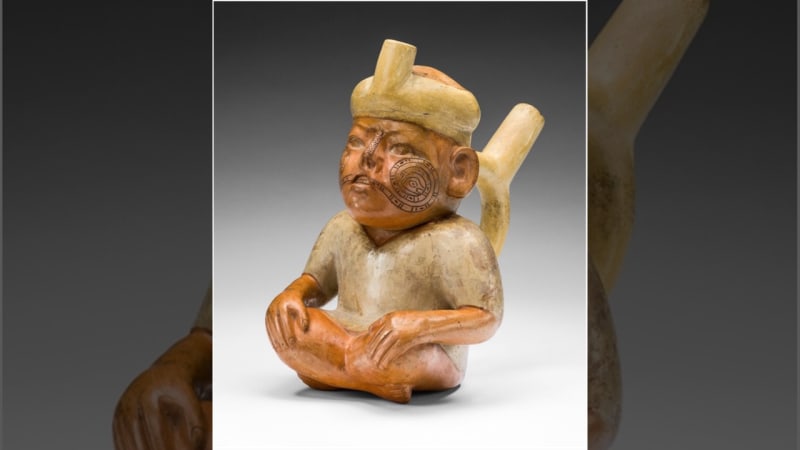
Ancient Peruvian Trophy Head Reveals Resilience of Individual with Rare Birth Condition
A remarkable archaeological discovery showcases how an individual with a cleft lip not only survived but potentially thrived in ancient Andean society. The finding challenges modern perceptions of disability and highlights the complex cultural attitudes of prehistoric communities.
In the arid landscapes of ancient Peru, a centuries-old mummified head tells a remarkable story of human survival and potential social acceptance. A carefully preserved 'trophy head' has revealed extraordinary insights into how an individual with a significant birth condition navigated life in a complex pre-Columbian society.
Researcher Beth Scaffidi, an assistant professor of anthropology at the University of California, Merced, made a groundbreaking discovery while examining a mummified head in the Museum of Modern and Contemporary Art in Saint-Etienne, France. The head, reportedly originating from Peru's Ica department, belonged to a young adult male who was born with a cleft lip - a condition occurring in approximately 1 in 700 live births globally.
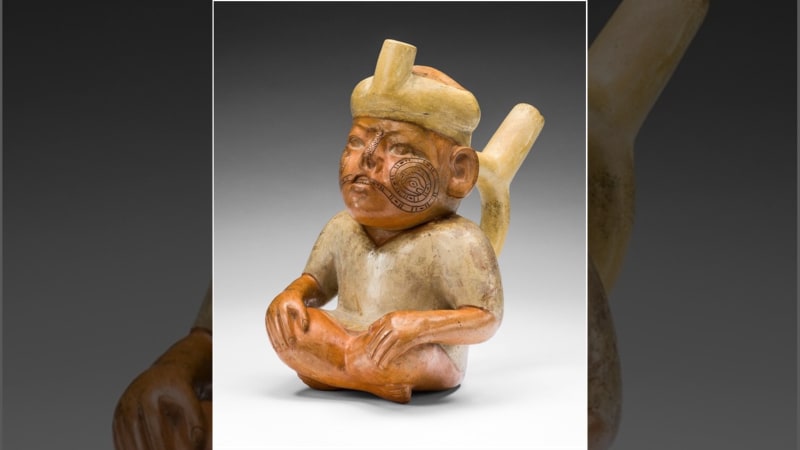
Cleft lip and cleft palate are birth defects characterized by gaps in the lip or roof of the mouth. While such conditions are now routinely addressed through early surgical intervention, they presented significant challenges in ancient societies. In this individual's case, specialized care would have been crucial during infancy, particularly for breastfeeding and nutrition.
The archaeological record contains few examples of documented orofacial clefts, with only around 50 cases identified worldwide. This specific discovery is the first of its kind in an Andean trophy head, offering unprecedented insights into how ancient cultures perceived and potentially accommodated individuals with visible differences.
Trophy heads were a significant cultural practice in the Andean region between 300 B.C. and A.D. 800, often naturally mummified in the region's desert environment. These preserved heads were potentially treated as ancestral heirlooms or souvenirs of conquest, frequently maintaining hair and facial structures that allow detailed examination centuries later.
Scaffidi's research suggests that far from being marginalized, this individual might have been afforded a sacred or high-status role. Ancient Andean worldviews varied widely in their responses to physical differences, ranging from attitudes of shame to profound reverence. The careful preservation of this trophy head potentially indicates the individual's significant social standing.
The most remarkable aspect of this discovery is not just the survival of the head, but the story of human resilience it represents. Despite potential complications like respiratory, hearing, and speech challenges, this individual survived to early adulthood - a testament to the care and adaptability of their community.
By examining this single preserved head, researchers like Scaffidi are challenging contemporary assumptions about disability. The finding powerfully illustrates that perceptions of physical differences are fundamentally cultural constructs, not solely biological determinations. This ancient Peruvian trophy head stands as a poignant reminder of human diversity, compassion, and survival across millennia.
Based on reporting by Live Science
This story was written by BrightWire based on verified news reports.
More Good News
 🚀 Innovation
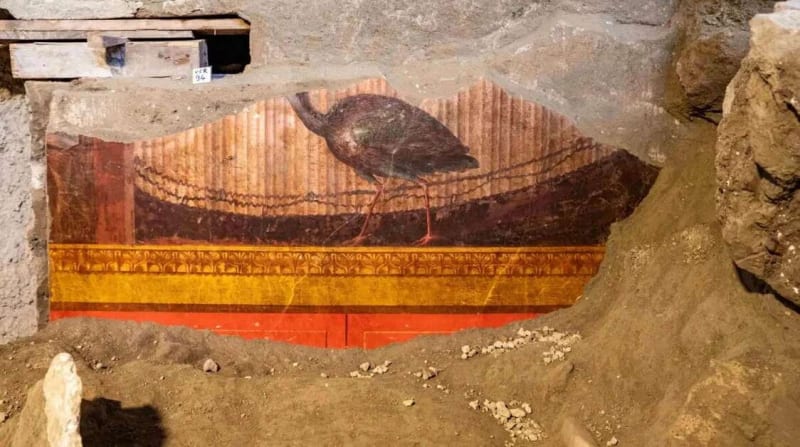
Hidden Treasures Emerge: Nero's Wife's Villa Reveals Stunning Peacock Frescoes in Pompeii
 🚀 Innovation
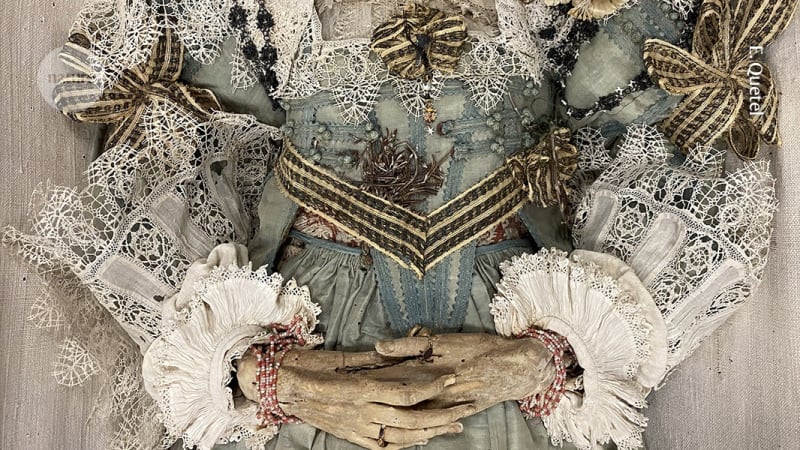
Scientific Breakthroughs Unravel Ancient Human Stories Through DNA and Preservation
 🚀 Innovation