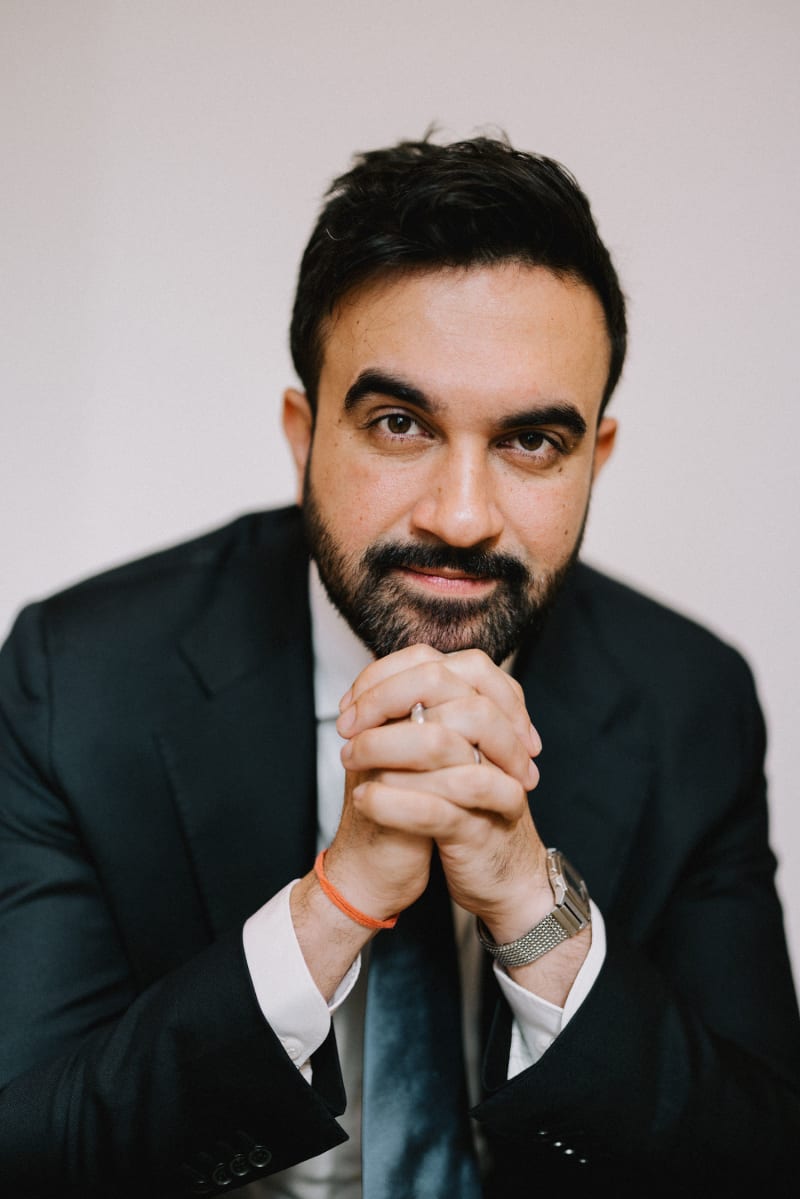
Zohran Mamdani's Historic Mayoral Win Unites Muslim New Yorkers Across Sectarian Lines
Zohran Mamdani's groundbreaking election as New York City's first Muslim mayor bridges long-standing community divides. His victory represents a powerful moment of unity and representation for Muslim New Yorkers, particularly within the Shia community.
In a moment that transcends political victory, Zohran Mamdani's election as New York City's first Muslim mayor represents a profound milestone of visibility and unity for the city's diverse Muslim community, particularly for Shia Muslims who have long felt marginalized.
The night of his election victory, supporters like Fizza Jaffri experienced an electrifying sense of possibility. From a bustling Astoria cafe, she watched as cheers erupted and car horns blared, celebrating not just a political triumph, but a breakthrough moment for representation. 'I haven't really experienced that, especially because we're not always in these high-power offices,' Jaffri, 33, told NBC News, capturing the emotional significance of Mamdani's historic win.
Mamdani's journey is deeply rooted in family lessons about justice and dignity. His paternal grandparents instilled in him a profound understanding of what it means to be Shia, Muslim, and fundamentally, a good person. 'They didn't just teach me what it meant to be Shia. They didn't just teach me what it meant to be a Muslim,' Mamdani reflected. 'They also used those lessons to teach me what it meant to be a good person.'
The complex historical divide between Shia and Sunni Muslims, dating back to the seventh-century disagreement about the Prophet Muhammad's succession, has long created tensions within the community. Theological differences and historical conflicts have sometimes led to discrimination and social barriers. Maira Raza, 32, shared her personal experience of hesitating to disclose her Shia identity, noting that she often feared ostracism or judgment from Sunni friends.
Mamdani's victory represents more than a personal achievement; it symbolizes a moment of unprecedented inclusivity. During his campaign, he openly embraced his Shia identity, even attending a Queens gathering marking the martyrdom of Imam Hussein. His approach transcends sectarian divisions, focusing instead on a message of universal justice and solidarity. 'I learned at a young age the importance of fighting injustice and the struggle that it necessitates,' Mamdani explained, 'and the importance of fulfilling that struggle in creating a more just world for everyone.'
The broader Muslim community has overwhelmingly embraced Mamdani's victory. Ali Nasser, a Sunni Muslim, emphasized the importance of unity, especially in the post-Trump era. 'As Muslims, it's more important for us than ever to be united, regardless of faith, regardless of race, regardless of status,' Nasser said, reflecting a growing sentiment of collective solidarity.
As Mamdani prepares to take office on January 1st, his election stands as a powerful testament to progress. For Shia Muslims, who comprise approximately 10-15% of the U.S. Muslim population, his win represents a breakthrough moment of recognition and hope. In a landscape often marked by division, Mamdani's victory offers a compelling narrative of inclusivity, understanding, and the potential for meaningful social transformation.
Based on reporting by NBC News
This story was written by BrightWire based on verified news reports.
More Good News
 💡 Solutions
China Leads Diplomatic Efforts to Resolve Cambodia-Thailand Border Conflict
 💡 Solutions
South Korea's President Returns to Historic Presidential Palace, Symbolizing Democratic Renewal
 💡 Solutions
Trump Advocates for Peace: Bold Plan Targets Hamas Disarmament in Gaza
Start Your Day With Good News
Join 50,000+ readers who wake up to stories that inspire. Delivered fresh every morning.
No spam, ever. Unsubscribe anytime.