Wearable Health Tech: Balancing Innovation and Environmental Responsibility
A groundbreaking study reveals the environmental challenges of wearable health technology, offering innovative solutions to balance medical innovation with ecological responsibility. Researchers provide a comprehensive model for creating more sustainable personal health devices.
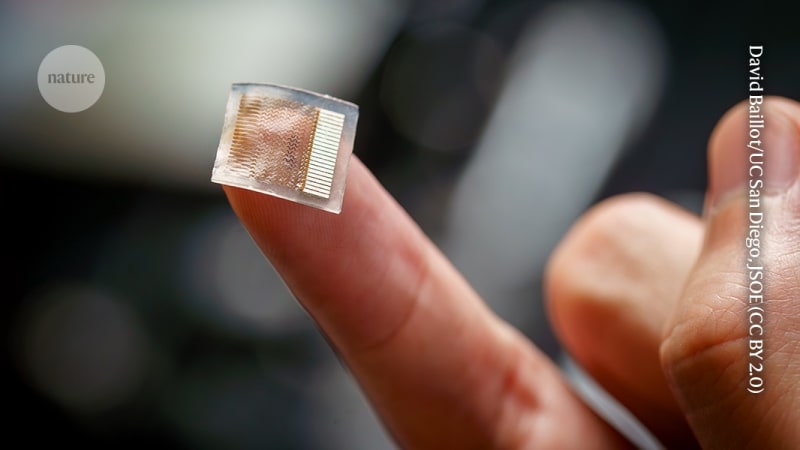
In the rapidly evolving world of personal health technology, wearable devices are revolutionizing how patients and doctors track and manage health conditions - but at what environmental cost? From smart watches counting steps to sophisticated continuous glucose monitors, these innovative gadgets offer unprecedented insights into human wellness.
A groundbreaking study published in Nature by researchers Yang et al. explores the critical environmental footprint of wearable healthcare electronics, revealing both the tremendous potential and hidden ecological challenges of these transformative technologies. The research presents a comprehensive model that quantifies the sustainability implications of devices designed to prevent health emergencies, predict risk factors, and provide personalized lifestyle insights.
Modern wearable health technologies span an impressive range of capabilities. Smart watches track physical activity, portable electrocardiogram monitors analyze heart rhythms, and continuous glucose monitors can send real-time alerts when blood sugar levels deviate from healthy ranges. While these devices represent remarkable medical innovations, they also generate significant environmental considerations that cannot be overlooked.
The research highlights growing concerns about the unintended social, economic, and environmental consequences of widespread wearable technology adoption. Drawing from multiple sources including the World Bank's Green Digital Transformation report and global e-waste monitoring data, the study offers a nuanced examination of the lifecycle environmental impact of these increasingly prevalent devices.
Critically, the researchers don't just diagnose the problem - they propose actionable solutions for making wearable healthcare electronics more sustainable. By quantifying the ecological footprint and identifying strategic interventions, Yang and colleagues provide a roadmap for technology manufacturers, healthcare providers, and policymakers to balance technological innovation with environmental stewardship.
Global experts like Masanet, Lei, and Koomey have consistently emphasized the importance of understanding the broader environmental implications of digital technologies. This latest research builds on extensive work in tracking the ecological impact of electronic devices, offering hope that future wearable health technologies can be designed with sustainability as a core consideration.
As our world becomes increasingly digitized, the intersection of healthcare innovation and environmental responsibility becomes ever more critical. The work of Yang et al. represents a significant step toward ensuring that the remarkable technological tools improving human health do not simultaneously compromise the health of our planet.
Based on reporting by Nature News
This story was written by BrightWire based on verified news reports.
Spread the positivity! 🌟
Share this good news with someone who needs it
More Good News
 🌍 Planet
Eden Project Founder Reveals Optimism: World is Improving, Not Declining
 🌍 Planet
The Ultimate Green Goodbye: How Your Final Resting Choice Impacts Earth
 🌍 Planet