Wadata: The Heartbeat of Makurdi's Rich Multicultural Heritage
Wadata, Makurdi's oldest Hausa settlement, reveals a powerful story of multicultural harmony and resilience along River Benue. This vibrant neighborhood showcases how diverse Nigerian communities can thrive together.
Nestled along the banks of River Benue, Wadata stands as a testament to Nigeria's complex and harmonious cultural tapestry, where diverse ethnic groups have coexisted for generations.
This historic Hausa settlement in Makurdi, Benue State, pulses with life from dawn's first light, as residents begin their daily rhythms of work, faith, and community.
The neighborhood, which traces its origins to the early colonial period, is a vibrant microcosm of Nigerian interconnectedness, where the call to Subhi prayers mingles with the sounds of traders negotiating prices and children playing in narrow streets.
Mohammed Salisu, a local barber, embodies the area's spirit of resilience. Working from a modest barbershop, he represents generations of Hausa settlers who have called Wadata home since before Benue State's creation in 1976.
Historical accounts suggest that Wadata's significance predates colonial administration, emerging as a critical trading hub when the railway bridge was completed in 1932. The settlement became a gateway connecting Northern Nigeria, the Middle Belt, and beyond, attracting trading companies like United Africa Company and John Holt.
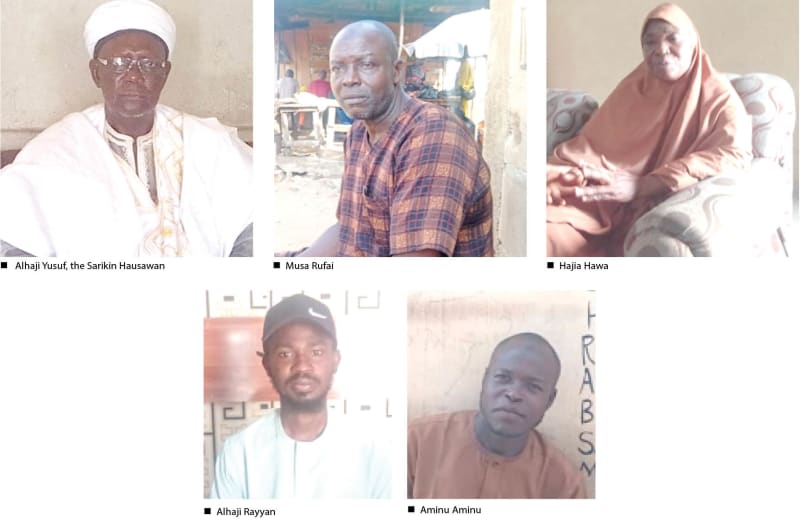
The community's name itself carries profound meaning - 'Wadata' translates to 'contentment' in Hausa, reflecting the residents' ability to find joy and purpose despite economic challenges. Ryan Yusuf, a local youth leader, notes that almost every compound hosts at least 20 occupants, highlighting the area's dense, interconnected social fabric.
What makes Wadata truly remarkable is its spirit of inter-ethnic harmony. Despite shifting demographics and historical changes, Tiv, Hausa, Idoma, Igala, and other ethnic groups have maintained a remarkable coexistence, demonstrating the potential for peaceful multicultural living.
As Alhaji Imam Sani Yusuf, the Sarkin Hausawan of Makurdi, explains, this settlement represents more than just a geographical location - it's a living narrative of Nigerian resilience, adaptation, and shared humanity.
Based on reporting by Daily Trust
This story was written by BrightWire based on verified news reports.
Spread the positivity! 🌟
Share this good news with someone who needs it
More Good News
 🌐 Global News
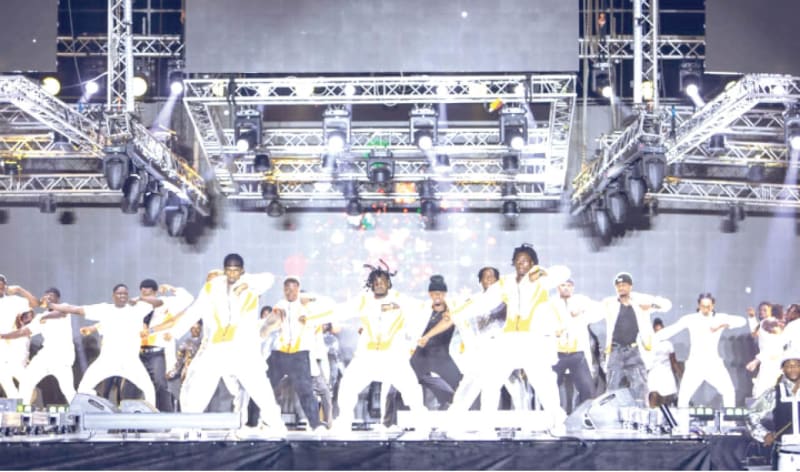
Detty December: How Lagos Transforms into Africa's Ultimate Party Destination
 🌐 Global News
Gospel Superstar Sinach Champions Community Health in Abia State Celebration
 🌐 Global News
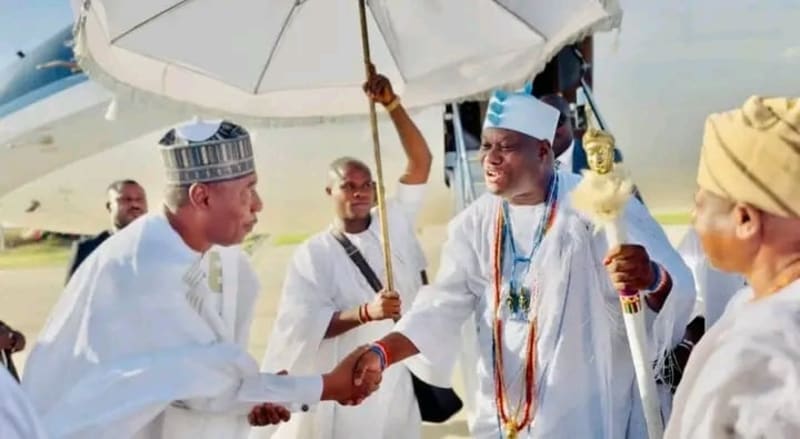
Ooni of Ife Hails Borno's Potential: 'This State Can Feed Nigeria'
Joke of the Day
"Why do scientists trust atoms? Because they make up everything!"
Explore Categories
Quote of the Day
"Progress is impossible without hope, and hope is born from understanding the stories that connect and elevate our shared human experience."
— Elon Musk