Vision Without Glasses: 5 Medical Breakthroughs Transforming Healthcare in 2025
Medical researchers unveil groundbreaking solutions for age-related vision loss and pediatric heart transplants, offering hope and innovative treatments that could transform healthcare. These advances demonstrate the remarkable potential of modern medical science to address complex health challenges.
In a remarkable year of medical innovation, scientists and researchers have pushed the boundaries of what's possible in healthcare, offering hope and groundbreaking solutions for conditions once considered untreatable.
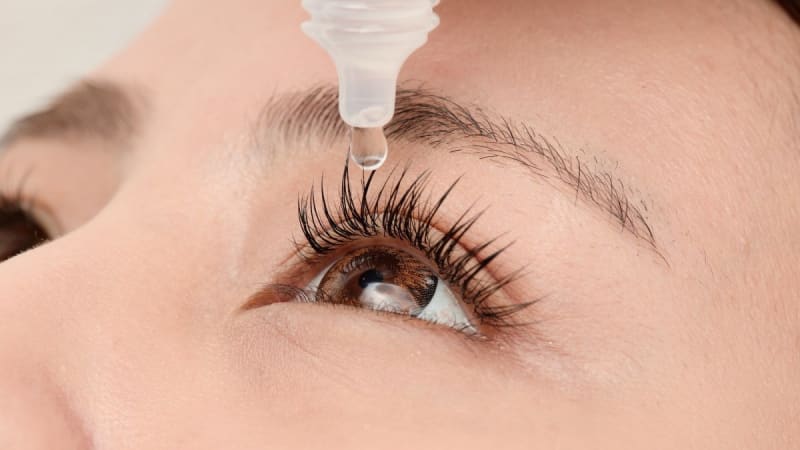
One of the most exciting developments comes from LENZ Therapeutics, whose revolutionary eye drops, VIZZ, promise to eliminate the need for reading glasses for millions of aging adults. The FDA-approved aceclidine solution tackles presbyopia, the age-related farsightedness that affects approximately 128 million Americans and nearly 2 billion people worldwide, offering a simple remedy to a universal challenge of aging.
Clinical trials involving 1,059 participants aged 45 to 75 demonstrated extraordinary results. Within just 30 minutes of application, VIZZ improved near vision by three or more lines on standard eye charts, allowing users to read phones and tablets without reading glasses while maintaining distance vision. The effects last up to 10 hours, marking a significant breakthrough in vision correction technology.
While the drops show immense promise, medical professionals caution users to consult eye care professionals before use. Common side effects include eye irritation, vision dimming, redness, and headaches. The medication works by making pupils smaller, which increases depth of focus, leveraging a mechanism previously used in glaucoma treatments.
Another groundbreaking innovation addresses a critical challenge in pediatric healthcare: heart transplants. Researchers at Duke University Medical Center have developed an innovative 'on-table reanimation' technique that dramatically expands the potential donor pool for infant heart transplants. Previously, up to 20% of children awaiting heart transplants would die due to limited donor availability, with ethical concerns surrounding existing heart retrieval methods like normothermic regional perfusion (NRP).
The Duke team's new technique successfully circumvents previous ethical and medical limitations by reanimating donated hearts outside the body during surgery. In a landmark procedure, they transplanted a heart from a 1-month-old donor to a 3-month-old recipient, with the infant remaining healthy—a testament to the technique's potential to save young lives.
These innovations represent just a glimpse of the transformative medical advances emerging in 2025, offering renewed hope and tangible solutions for conditions that were once considered inevitable or untreatable. From vision correction to pediatric heart transplants, these breakthroughs demonstrate humanity's extraordinary capacity for medical innovation and compassionate problem-solving.
Based on reporting by Popular Science
This story was written by BrightWire based on verified news reports.
More Good News
 🚀 Innovation
Electrifying Deal: Dodge Charger EV Slashes Prices by Nearly 50%
 🚀 Innovation
CATL's Sodium-Ion Battery Revolution: A Breakthrough in Electric Vehicle Technology
 🚀 Innovation
Home Tech Revolution: 5 Breakthrough Innovations That Are Changing Everyday Living
Start Your Day With Good News
Join 50,000+ readers who wake up to stories that inspire. Delivered fresh every morning.
No spam, ever. Unsubscribe anytime.