US Commits $2 Billion to UN Humanitarian Aid with Strategic Conditions
The United States pledges $2 billion in humanitarian aid to the UN with strategic conditions, challenging the organization to modernize its approach. This funding targets specific countries while excluding others, signaling a new era of targeted international assistance.
In a bold move that signals both commitment and transformation, the United States has pledged $2 billion to United Nations humanitarian programs while simultaneously challenging the international aid organization to modernize its approach.
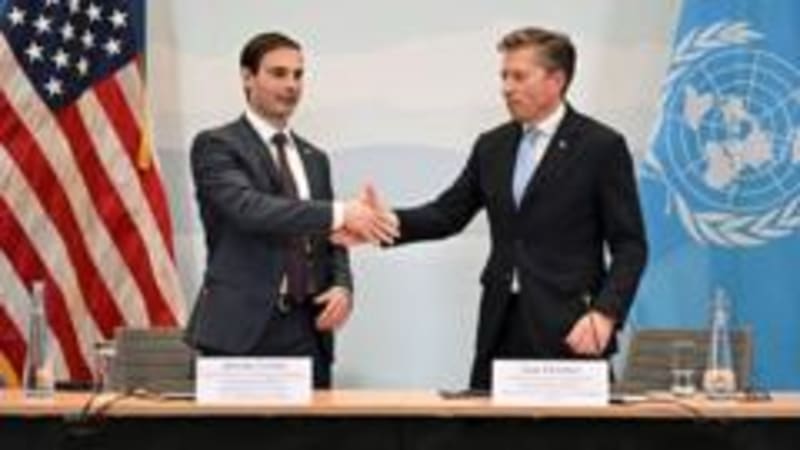
Jeremy Lewin, President Trump's Under Secretary for Foreign Assistance, announced the funding in Geneva alongside UN emergency relief chief Tom Fletcher, emphasizing that the contribution comes with specific strategic priorities and expectations.
The substantial financial commitment represents a significant shift from previous years, when US humanitarian aid to the UN was estimated at $17 billion in 2022. However, this new funding comes with notable restrictions, targeting only 17 specific countries including Haiti, Syria, and Sudan, while explicitly excluding nations like Afghanistan and Yemen.
Lewin was unequivocal about the conditions, stating that Washington has evidence of UN funds being potentially diverted to terrorist groups in Afghanistan, declaring that 'President Trump will never tolerate a penny of taxpayers' money going to terrorist groups'. The funding also categorically excludes climate change-related projects, which Lewin deemed not 'life saving' or aligned with US interests.
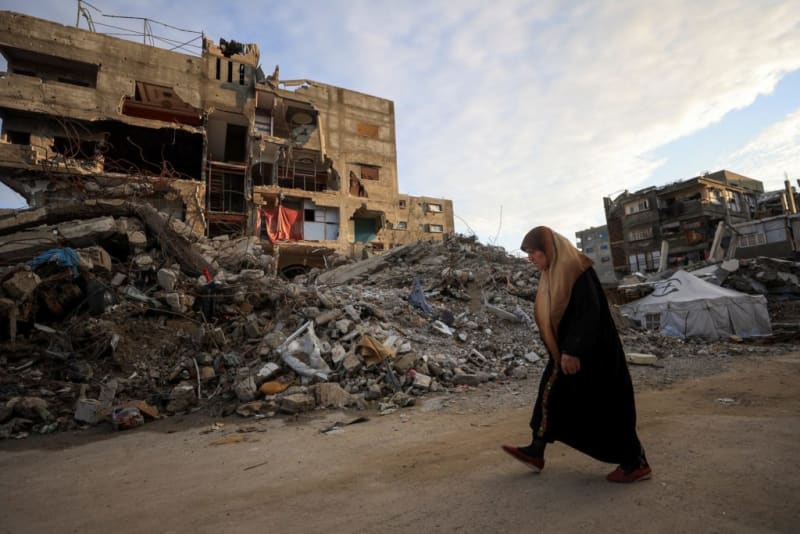
The announcement highlights the delicate balance between humanitarian support and strategic national objectives. While Tom Fletcher welcomed the funds as potentially saving 'millions of lives', aid organizations face challenging constraints, with some countries already experiencing reduced support - including closed mother and baby clinics in Afghanistan and diminished food rations for displaced populations in Sudan.
UN leaders acknowledge the funding comes at a critical time, recognizing that while the conditions might challenge traditional humanitarian principles of neutrality and impartiality, $2 billion represents a crucial lifeline amid growing global funding crises.
Lewin's stark message that the UN must 'adapt or die' underscores a broader push for efficiency and focused aid distribution, challenging the organization to streamline its approach and eliminate project duplication. As humanitarian needs continue to evolve, this funding represents both a significant commitment and a transformative challenge to the international aid ecosystem.
Based on reporting by BBC World
This story was written by BrightWire based on verified news reports.
More Good News

Start Your Day With Good News
Join 50,000+ readers who wake up to stories that inspire. Delivered fresh every morning.
No spam, ever. Unsubscribe anytime.