U.S.-China Tensions Simmer Around Taiwan: Trump Offers Calm Perspective
President Trump offers a calm perspective on Chinese military exercises near Taiwan, emphasizing long-standing diplomatic relationships. Experts provide nuanced insights into the complex geopolitical tensions surrounding the Taiwan Strait.
Amid escalating military tensions in the Taiwan Strait, President Donald Trump offered a measured response to China's comprehensive naval and air exercises, emphasizing diplomatic relationships and historical context.
In a press conference on Monday, Trump directly addressed the two-day war games conducted by Beijing, stating, "I have a great relationship with President Xi [Jinping], and he hasn't told me anything about [the drills]. No, nothing worries me." His comments reflect a pragmatic approach to the geopolitical maneuvers, noting that China has been conducting naval exercises in the region for two decades.
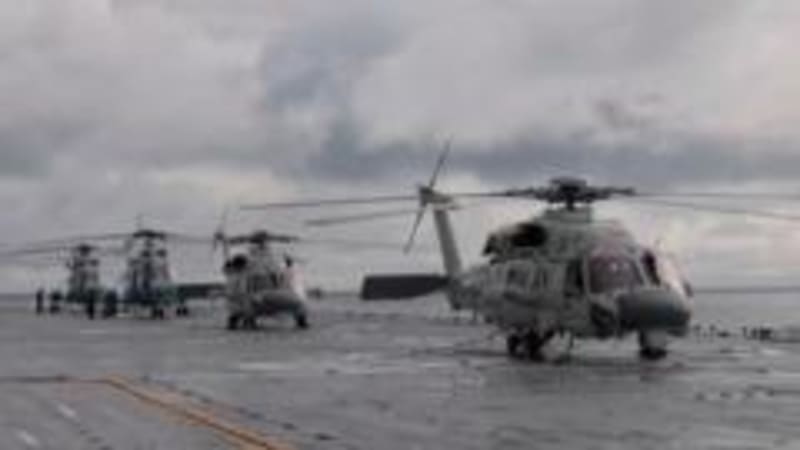
The Chinese military's exercises, which simulate a potential blockade of Taiwan, are strategically positioned following a significant U.S. arms sale to the self-governed island. The drills are explicitly designed as a warning against "Taiwan independence separatist forces" and potential external interference, with the Eastern Theater Command deploying an impressive array of military assets including destroyers, frigates, and fighter-bombers.
Taiwan's defense ministry reported substantial military activity, detecting 130 Chinese military aircraft around the island, with 90 crossing the unofficial median line. More than a dozen Chinese navy vessels were also spotted nearby, prompting Taiwan's armed forces to deploy aircraft, ships, and coastal missile systems in response. Taiwanese President Lai Ching-te characterized the escalation as inconsistent with responsible international behavior, stating the nation would "act responsibly and not escalate conflict."
Geopolitical experts provided nuanced perspectives on the ongoing tensions. Susan Shirk, former U.S. Deputy Assistant Secretary of State, suggested the drills were primarily a message to the United States and Japan, representing an "expression of resolve and anger" about recent arms sales. Alexander Neill from the Pacific Forum noted that the exercises align with China's military modernization efforts, while cautioning against overestimating personal diplomatic relationships.
The broader context reveals China's longstanding goal of "reunification" with Taiwan, a objective for which the nation has not ruled out using military force. Recent years have seen increased pressure through military drills and regular incursions into Taiwanese waters and airspace. In response, Taiwan has committed to boosting defense spending to modernize its armed forces.
Despite the complex diplomatic landscape, the Trump administration recently announced an $11 billion weapons package to Taiwan, signaling continued support for the island's defensive capabilities. This strategic move underscores the delicate balance of power and diplomatic negotiations in the region, where military posturing and diplomatic dialogue continuously intersect.
Based on reporting by BBC World
This story was written by BrightWire based on verified news reports.
More Good News
 ✨ Good News
2025: A Year of Transformative Change - From AI Revolution to Global Shifts
 ✨ Good News
Audacious Bank Heist Shocks German Town During Christmas Holiday
 ✨ Good News