Trump's Economic Strategy: How Tariffs and Fed Rates Could Reshape US Fiscal Policy
President Trump's economic strategy targets tariff rates and Federal Reserve policies to manage inflation and fiscal challenges. His approach balances protectionist measures with global economic considerations.
As the political landscape shifts toward fiscal innovation, President Trump is strategically positioning himself to address complex economic challenges through a nuanced approach to tariffs and Federal Reserve monetary policy.
Recent economic indicators reveal a fascinating trajectory for US trade and inflation management. The personal consumption expenditures price index has climbed to 2.8 percent in the third quarter, with core inflation reaching 2.9 percent—both figures hovering above the Federal Reserve's 2 percent target.
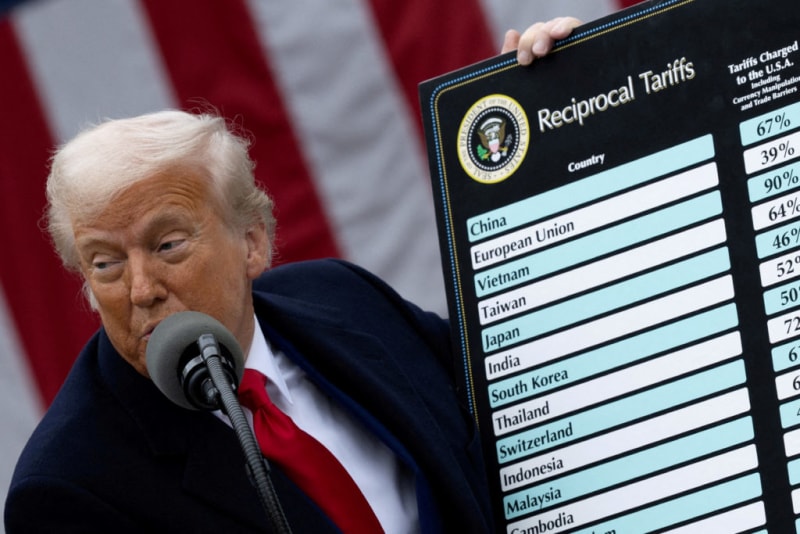
Trump's tariff strategy has demonstrated remarkable flexibility, with implementation softened through strategic exemptions and bilateral agreements. The current US effective tariff rate has stabilized around 15 percent, a figure that surprisingly aligns with global import tax levels when accounting for international value-added tax structures.
Projections suggest the US tariff rate could decline to approximately 12 percent by 2026, a calculated move designed to generate fiscal revenue while preserving global supply chain integrity. This approach reflects a sophisticated understanding of international economic dynamics, balancing protectionist impulses with global economic interdependence.
The intricate relationship between tariffs and interest rates presents a complex challenge for economic policymakers. Aggressive tariffs can elevate inflation expectations, making Federal Reserve rate cuts politically and economically challenging. However, with federal deficits exceeding 6 percent of gross domestic product and projected tax cuts approaching $400 billion, every 100-basis-point interest rate increase could add hundreds of billions to government financial obligations.
As 2026 approaches, Trump's economic strategy appears poised to prioritize Federal Reserve rate reductions, seeking a delicate balance between fiscal responsibility and economic stimulation. This nuanced approach demonstrates the sophisticated economic thinking required to navigate increasingly complex global financial landscapes.
Based on reporting by South China Morning Post
This story was written by BrightWire based on verified news reports.
Spread the positivity! 🌟
Share this good news with someone who needs it