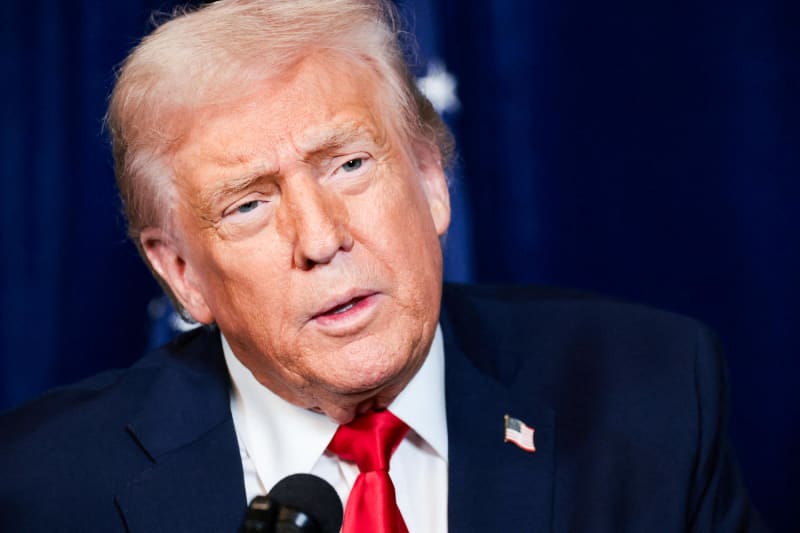
Trump Blocks Water Pipeline and Tribal Land Bill in Surprise Double Veto
President Trump dramatically vetoes two bipartisan bills, blocking a Colorado water pipeline and Native American land expansion, sparking intense political debate and potential legislative challenges.
In a bold move that has sparked intense debate, President Donald Trump has issued two unexpected vetoes targeting a water infrastructure project and Native American land legislation, setting the stage for a complex political confrontation.
The first veto targeted the Finish the Arkansas Valley Conduit Act, a bipartisan bill aimed at bringing clean drinking water to southeastern Colorado. Despite passing both the House and Senate by voice vote, Trump rejected the measure, citing concerns over prolonged construction and escalating costs. "Enough is enough," Trump wrote in his veto letter, emphasizing his administration's commitment to preventing what he termed "expensive and unreliable policies."
Colorado's political landscape immediately erupted in response. Democratic Senators Michael Bennet and John Hickenlooper strongly criticized the decision, with Bennet calling it a "revenge tour" and Hickenlooper accusing Trump of "playing partisan games and punishing rural communities" by blocking critical infrastructure development.
The second veto targeted the Miccosukee Reserved Area Amendments Act, which would have expanded the tribe's reserved area to include part of the Everglades National Park's Osceola Camp. In his veto explanation, Trump controversially suggested the tribe was attempting to "obstruct reasonable immigration policies" – a claim that drew immediate scrutiny.
The vetoes mark a significant moment in Trump's political narrative. During his first term, he vetoed 10 bills, with Congress successfully overriding only one. These latest actions suggest continued political assertiveness even after leaving office, potentially signaling future legislative confrontations.
Representative Lauren Boebert, the pipeline bill's sponsor, responded defiantly on social media, declaring "This isn't over" – hinting at potential legislative maneuvers to override the presidential veto. Meanwhile, Senator Hickenlooper has encouraged Congress to challenge the decision, which would require a two-thirds majority vote in both chambers.
As the political drama unfolds, the broader implications of these vetoes remain uncertain. They represent not just policy decisions, but symbolic statements about infrastructure, tribal rights, and the ongoing complexities of federal governance.
Based on reporting by NBC News
This story was written by BrightWire based on verified news reports.
Spread the positivity! 🌟
Share this good news with someone who needs it
More Good News
 💡 Solutions
Ondo Governor Grants Fresh Start to 77 Inmates through Compassionate Clemency
 💡 Solutions
Rivers Governor Fubara Expands Leadership Team with Five Strategic Special Advisers
 💡 Solutions