Tracking Antarctic Pollutants: One Scientist's Groundbreaking Research with Penguin Samples
Analytical chemist Buse Tuğba Zaman travels to Antarctica to study environmental contaminants through penguin faeces. Her groundbreaking research reveals critical insights about pollution in one of the world's most pristine ecosystems.
In the pristine, frigid landscapes of Antarctica, analytical chemist Buse Tuğba Zaman is uncovering environmental secrets through an unexpected research method: studying penguin droppings. Her work on Horseshoe Island, located near the Antarctic Peninsula at 68° South, represents a crucial scientific endeavor to track trace contaminants in one of the world's most remote ecosystems.
Zaman's research journey begins with an extraordinary commitment, traveling nearly 16,000 kilometers from Istanbul, Turkey, through a complex route involving flights to Brazil, northern Chile, Patagonia, and finally a boat trip to South Georgia. Her annual expedition, coordinated by the Turkish government and Marmara Research Center, represents a significant logistical and scientific undertaking.
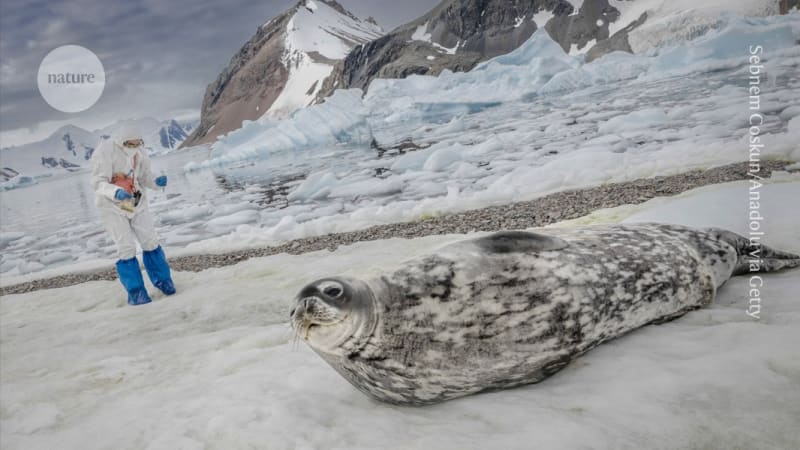
During her fieldwork, Zaman meticulously collects faecal samples from Adélie penguins, carefully analyzing them for heavy metals, pesticides, and microplastics. Her scientific approach is balanced with deep respect for wildlife, following strict protocols that include wearing protective suits and maintaining a careful distance from Antarctic inhabitants like curious Weddell seals.
The research is more than a personal dream fulfilled; it's a critical environmental investigation. By examining penguin waste, Zaman can detect minute environmental contamination that might otherwise go unnoticed, providing invaluable insights into the health of this delicate ecosystem.
While the work is challenging, involving extreme temperatures and complex scientific analysis, Zaman remains passionate about her research. Her commitment demonstrates how innovative scientific methods can unlock understanding about environmental changes, using unique biological indicators like penguin faeces to tell a broader story about global environmental health.
Each sample collected represents a snapshot of environmental conditions, helping researchers like Zaman track potentially harmful substances that could impact Antarctic wildlife and, by extension, global ecological systems. Her work stands as a testament to human curiosity, scientific precision, and our ongoing effort to understand and protect our planet's most remote environments.
Based on reporting by Nature News
This story was written by BrightWire based on verified news reports.
More Good News
 🚀 Innovation
Chinese Car Brands Rev Up: One in Ten UK Cars to Be Made in China by 2025
 🚀 Innovation
World Cup 2026: A Landmark Tournament That Breaks New Ground in Soccer History
 🚀 Innovation