The Future of Science in 2050: Transformative Breakthroughs and Global Challenges
Scientists predict a transformative 2050 with superintelligent AI and significant climate challenges. Innovative technologies and global cooperation will be crucial in addressing environmental and technological shifts.
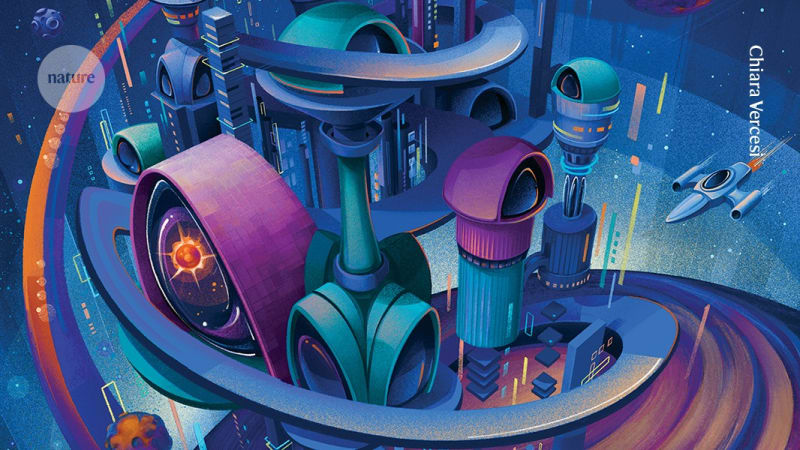
As we stand on the precipice of unprecedented technological and environmental change, the world of 2050 promises to be a landscape dramatically different from today. Renowned futurologist Nick Bostrom boldly predicts that by mid-century, superintelligent artificial intelligence may completely revolutionize scientific research, potentially rendering human researchers mere hobbyists in their own field.
Nature magazine's bold exploration of future scientific trends reveals a complex tapestry of potential developments, challenges, and transformative possibilities. The journal's long-standing tradition of forecasting scientific progress continues with provocative predictions about technological leaps, potential disease eradication, and the profound challenges of climate change.
Climate scientists like Guy Brasseur from the Max Planck Institute for Meteorology paint a sobering picture of environmental transformation. By 2040, the world is expected to have surpassed the critical 2°C warming threshold, with potential global temperatures rising 3°C or more by the century's end. The International Panel on Climate Change warns that to avoid this scenario, global emissions must peak by 2025 and decline sharply - a target that appears increasingly challenging.
The potential technological responses to climate change are equally complex and controversial. Geoengineering techniques, such as injecting reflective particles into the upper atmosphere to reduce solar radiation, might be considered by nations or even private companies desperate to mitigate environmental impacts. However, experts like Brasseur caution that such unilateral interventions could dramatically alter rainfall patterns and potentially exacerbate existing environmental challenges.
Geopolitical tensions further complicate future climate predictions. Where the Paris Agreement once represented global climate cooperation, current political landscapes show increasing fragmentation. Scientists report growing public fatigue with climate discussions, with populations more immediately concerned about fundamental needs like food security and peace.
Amid these challenges, there are glimmers of technological hope. Innovations like carbon dioxide removal, exemplified by plants such as the Climeworks facility in Iceland, demonstrate potential strategies for managing global warming. The possibility of discovering life forms not based on DNA - a prediction made by Nature's former editor Philip Campbell - remains an intriguing scientific frontier.
As we approach 2050, the intersection of artificial intelligence, environmental science, and human innovation will likely define our collective future. Whether superintelligent AI will truly dominate scientific research or humans will maintain their creative edge remains to be seen. What is certain is that the next three decades will demand unprecedented global cooperation, technological innovation, and adaptive thinking.
Based on reporting by Nature News
This story was written by BrightWire based on verified news reports.
More Good News
 🚀 Innovation
Silent Ocean Mystery: How Missing 'Zombie Worms' Could Signal Deeper Environmental Changes
 🚀 Innovation
Chinese Car Brands Rev Up: One in Ten UK Cars to Be Made in China by 2025
 🚀 Innovation