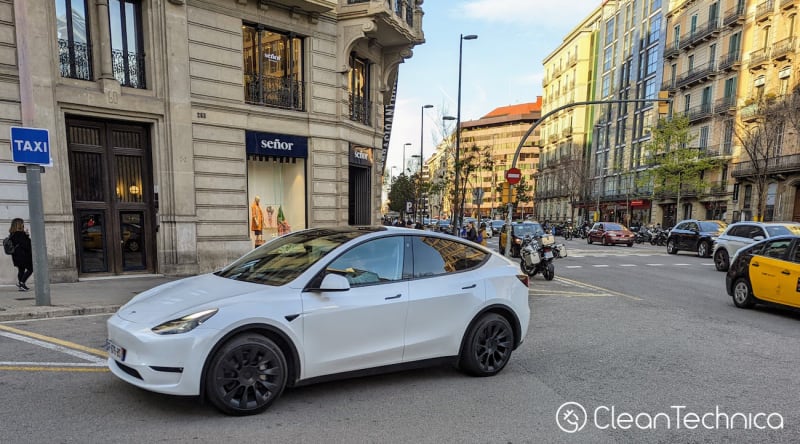
Tesla's Impact: How One Electric Vehicle Manufacturer Reshaped European Auto Policy
Tesla's groundbreaking Model 3 launch challenged European automotive industry assumptions about electric vehicles, compelling policymakers to take electrification seriously. The company's impact on EU emissions policy demonstrates how innovation can drive systemic change.
In the complex world of automotive policy and climate action, one company has emerged as a surprising catalyst for change: Tesla. While skeptics might argue that the European Union's CO2 reduction plans were inevitable, evidence suggests the electric vehicle manufacturer played a pivotal role in transforming industry expectations and regulatory landscapes.
The EU had established ambitious CO2 emission reduction targets as early as 2009, with more stringent requirements implemented in 2014. However, these goals faced significant resistance from traditional automotive industries, particularly in Germany and Italy, where manufacturers claimed consumers were uninterested in electric vehicles and that producing EVs would result in substantial financial losses.
Tesla's Model 3 launch dramatically disrupted this narrative. When millions of people worldwide lined up to reserve the electric vehicle, the company effectively demolished industry arguments about consumer disinterest. Policymakers were compelled to recognize that compelling, semi-affordable electric cars could generate massive public enthusiasm, forcing legacy automakers to reconsider their resistance to electrification.
The early 2020s witnessed a remarkable surge in electric vehicle sales across the European Union, suggesting a transformative moment for sustainable transportation. However, recent developments have introduced complexity to this optimistic trajectory. Tesla's global sales have declined, partly attributed to controversial statements by CEO Elon Musk, and the EU has begun modifying its original aggressive emissions reduction requirements.
Recent policy adjustments include allowing automakers more flexibility in meeting CO2 reduction targets, such as calculating compliance across 2025-2027 instead of strict annual benchmarks. While some might interpret these changes as a retreat, the original article's author suggests they represent a nuanced response that might not have been possible without Tesla's initial market disruption.
The broader implications are significant. Tesla demonstrated that electric vehicles could be desirable, technologically advanced, and commercially viable. By challenging entrenched automotive industry assumptions, the company effectively accelerated the transition toward sustainable transportation, regardless of recent sales fluctuations.
As the automotive landscape continues evolving, Tesla's legacy remains clear: a single innovative company can reshape industrial expectations, influence regulatory frameworks, and accelerate meaningful environmental progress. The journey toward widespread electric vehicle adoption is complex, but Tesla has undeniably been a crucial driver of this transformative process.
Based on reporting by CleanTechnica
This story was written by BrightWire based on verified news reports.
More Good News
 🌍 Planet
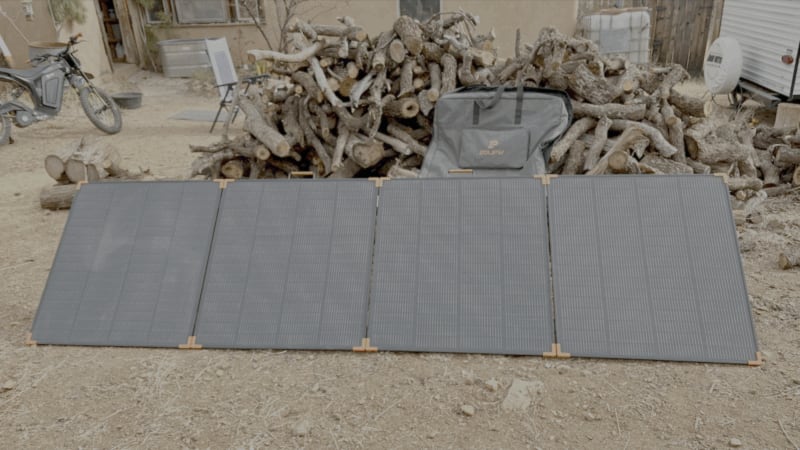
Innovative Solar Solution: ZOUPW 450W Portable Panel Revolutionizes Off-Grid Power Generation
 🌍 Planet
Conservation or Displacement? The Complex Story of Tanzania's Game Reserves
 🌍 Planet
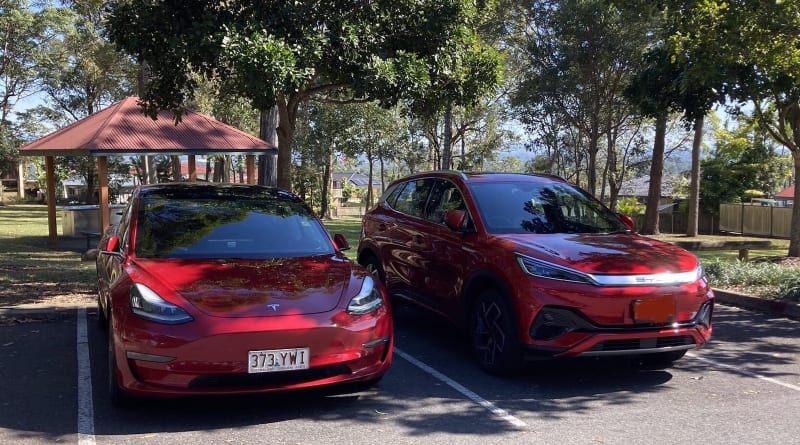
Electric Vehicle Giants BYD and Tesla Dominate Global Battery Electric Vehicle Market
Start Your Day With Good News
Join 50,000+ readers who wake up to stories that inspire. Delivered fresh every morning.
No spam, ever. Unsubscribe anytime.