Tennis Stars Sound Alarm: Is Player Burnout Threatening the Sport's Future?
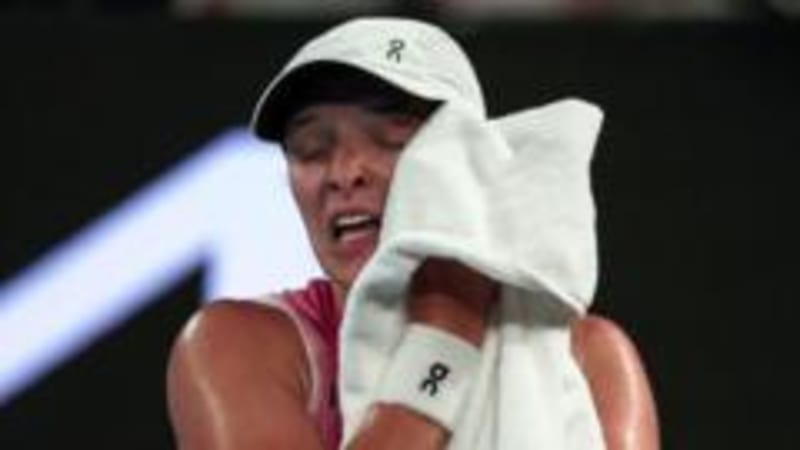
Top tennis stars are raising urgent concerns about player burnout, demanding a more sustainable competitive schedule that protects athletes' mental and physical well-being.
Professional tennis is facing a critical moment as top athletes increasingly speak out about the grueling demands of a marathon competitive season that pushes them to their mental and physical limits.
High-profile players like Daria Kasatkina, who dramatically cut her 2025 season short, are sounding a powerful warning about the unsustainable nature of current tennis scheduling. In October, Kasatkina publicly declared she had "hit a wall", revealing the profound emotional and mental strain experienced by elite athletes.

The concerns extend far beyond a single player. Ukraine's Elina Svitolina has stepped back, stating she's not "in the mental space" to continue, while reigning Grand Slam champions Iga Swiatek and Carlos Alcaraz have openly criticized the calendar's length. These voices represent a growing chorus demanding meaningful change in professional tennis.
Medical experts like Dr. Robby Sikka, medical director at the Professional Tennis Players' Association (PTPA), are backing the players' concerns. 'The demands of tennis are harder than ever before,' Sikka explains. 'Matches and rallies are longer, players are faster, they're hitting the ball harder. We owe it to our players to protect them and give them a more sustainable sport.'
The 2025 season exemplified the punishing schedule, spanning 47 weeks for many male players and concluding with the Davis Cup final on November 23rd. The women's season concluded slightly earlier on November 8th, but the fundamental issue remains: insufficient recovery time between grueling tournaments.

While the ATP and WTA Tours claim to prioritize player welfare, the PTPA has taken more direct action, launching legal proceedings against both organizations in March. The association argues there's a 'blatant disregard for player welfare' and is pushing for systemic reforms.
Potential solutions include extending the off-season, reducing mandatory tournament requirements, and creating strategic breaks during the competitive calendar. Former world number one Andy Roddick advocates for a season that does not extend past November 1st, while others suggest reimagining tournament structures to provide more meaningful rest periods.
As the 2026 season begins in Australia, the tennis world watches closely. Will meaningful changes emerge to protect the health and longevity of its most precious assets - the athletes themselves?
Based on reporting by BBC News
This story was written by BrightWire based on verified news reports.
Spread the positivity! 🌟
Share this good news with someone who needs it
More Good News
 🏆 Sports
College Football Drama: How One Coach Broke an 'Unspoken Rule'
 🏆 Sports
TCU Women's Basketball Crushes BYU with Olivia Miles' Fourth Triple-Double
 🏆 Sports