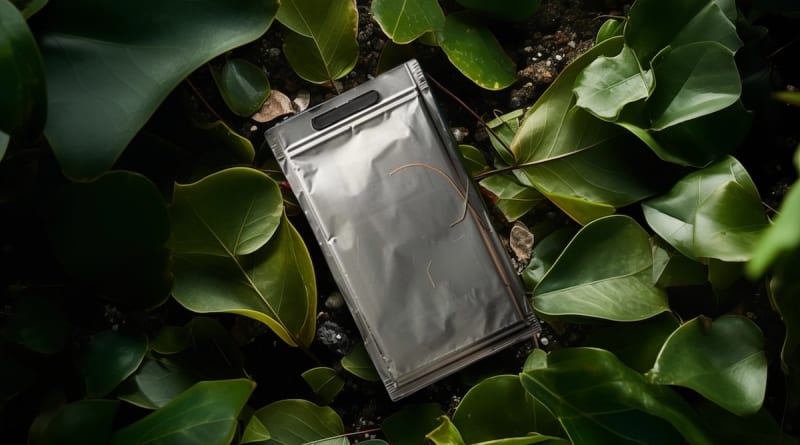
Singapore Startup Pioneers Compostable Paper Batteries for Electric Vehicles
Flint's groundbreaking cellulose battery technology promises sustainable, flexible energy storage that could revolutionize electric vehicle power systems. The innovative approach eliminates toxic materials while delivering performance comparable to traditional batteries.
A Singapore-based startup is turning the electric vehicle battery industry on its head with a revolutionary 'paper battery' that could redefine sustainable energy storage. Flint, an emerging technology company, has developed a battery that uses cellulose fibers from plant cell walls, promising to eliminate toxic materials and complex supply chain challenges.
The innovative technology leverages natural plant components like cellulose, lignin, and hemicellulose to create a biodegradable power solution that's capturing the attention of automotive engineers worldwide. While 'paper battery' might sound like science fiction, researchers have been exploring cellulose-based batteries for years, noting potential advantages like preventing battery degradation and reducing environmental impact.
Flint's breakthrough comes after years of scientific exploration, with researchers in February 2025 confirming that cellulose derivatives can provide a viable, sustainable alternative to petrochemical battery components. The multinational research team emphasized that these renewable materials can enhance battery safety and performance while significantly reducing environmental footprint.
The startup has already garnered significant industry attention, securing $2 million in seed funding from investors across nine countries, including France, Germany, Hong Kong, and the United States. Their technology received recognition at CES 2025, winning the 'Best of CES Sustainability Award' and attracting support from Singapore's government and accelerator programs associated with Shell and OPPO Research Institute.
Flint's battery technology boasts several remarkable claims: the cellulose naturally facilitates ion transfer between battery components, the design eliminates lithium and bio-enzymes, and the batteries offer unprecedented flexibility in shape and design. Critically, they assert their batteries are fire-resistant, rechargeable, and deliver performance comparable to traditional battery systems.
The company's ambitious goal isn't just about creating an alternative battery—it's about reimagining sustainable technology from the ground up. By using cellulose as a hybrid separator, Flint is positioning itself at the forefront of a potential revolution in energy storage, promising electric vehicle manufacturers a truly green solution that doesn't compromise on performance.
As the automotive industry continues its rapid transition toward electrification, innovations like Flint's paper battery represent more than just technological progress—they symbolize a fundamental shift toward more responsible, environmentally conscious engineering. The future of transportation might just be written on a sheet of paper.
Based on reporting by CleanTechnica
This story was written by BrightWire based on verified news reports.
Spread the positivity! 🌟
Share this good news with someone who needs it
More Good News
 🚀 Innovation
Electric Vehicle Giant BYD Surpasses Tesla, Sees Mixed Sales Performance in 2025
 🚀 Innovation
South Korea Supercharges Electric Vehicle Market with Bold New Subsidies
 🚀 Innovation