Revolutionary Mini-Brains Breakthrough: Scientists Uncover Hidden Signals of Mental Health Disorders
Scientists create revolutionary 'mini-brains' that reveal hidden electrical signals of mental health disorders, offering unprecedented insights into schizophrenia and bipolar disorder. This groundbreaking research could transform psychiatric diagnosis and treatment strategies.
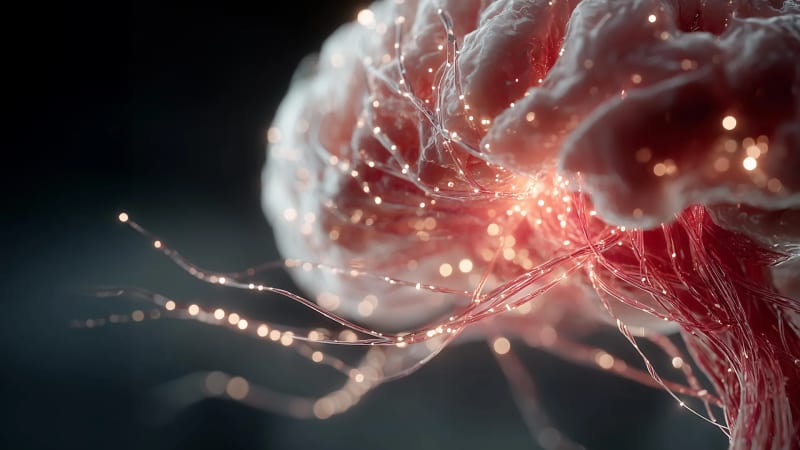
In a groundbreaking scientific achievement, researchers have developed pea-sized brain models that could transform our understanding of complex mental health conditions like schizophrenia and bipolar disorder.
Scientists at Johns Hopkins University have successfully grown brain organoids that reveal unprecedented insights into neurological electrical patterns, potentially revolutionizing how mental health disorders are diagnosed and treated.
Led by biomedical engineer Annie Kathuria, the research team transformed blood and skin cells from patients with schizophrenia, bipolar disorder, and healthy individuals into stem cells capable of developing into brain-like tissue. Using sophisticated machine learning tools, they meticulously analyzed the electrical activity within these miniature brain models, focusing on how neurons communicate through brief electrical signals.
The study, published in the journal APL Bioengineering, uncovered remarkable findings that could dramatically improve psychiatric diagnostics. By examining the electrical behaviors of these brain organoids, researchers discovered specific biomarkers that could distinguish between healthy and affected neural tissue with stunning accuracy - correctly identifying patient samples 83% of the time, and increasing to an impressive 92% with gentle electrical stimulation.
Kathuria explained the significance of their research, noting that current diagnostic methods for schizophrenia and bipolar disorder rely heavily on clinical judgment and often involve trial-and-error medication approaches. Unlike neurological conditions like Parkinson's, which can be identified through specific enzyme measurements, mental health disorders have remained frustratingly difficult to pinpoint.
To conduct their intricate research, the team placed brain organoids on specialized microchips with multi-electrode arrays, creating a grid-like setup similar to a miniature electroencephalogram (EEG). The fully developed organoids, reaching approximately three millimeters in diameter, contained multiple neural cell types typically found in the brain's prefrontal cortex and even produced myelin - the substance that helps electrical signals travel efficiently.
The neurons from schizophrenia and bipolar disorder patients exhibited unique firing patterns and timing changes across multiple electrical measurements, creating distinct signatures for each condition. This breakthrough suggests the potential for future personalized psychiatric treatments, where medications could be tested directly on a patient's brain organoid to determine the most effective interventions.
While the current study included samples from just 12 patients, the researchers remain optimistic about the transformative potential of their work. By providing a molecular-level understanding of how mental health disorders manifest, these mini brains offer hope for more precise, targeted approaches to diagnosis and treatment that could significantly improve patients' lives.
Based on reporting by Science Daily
This story was written by BrightWire based on verified news reports.
More Good News



Start Your Day With Good News
Join 50,000+ readers who wake up to stories that inspire. Delivered fresh every morning.
No spam, ever. Unsubscribe anytime.