Red Gold: How One Algerian Teacher Transformed Saffron Farming in Béjaïa
In Algeria's Béjaïa province, schoolteacher Keltouma Adouane is revolutionizing agriculture by cultivating saffron, transforming challenging landscapes into productive 'red gold' fields that offer economic hope for rural women.
In the rugged, sun-drenched landscape of Béjaïa, Algeria, a remarkable story of agricultural resilience and innovation is unfolding. Keltouma Adouane, a schoolteacher turned saffron pioneer, is proving that with determination and creativity, farmers can adapt to challenging climate conditions and create sustainable livelihoods.
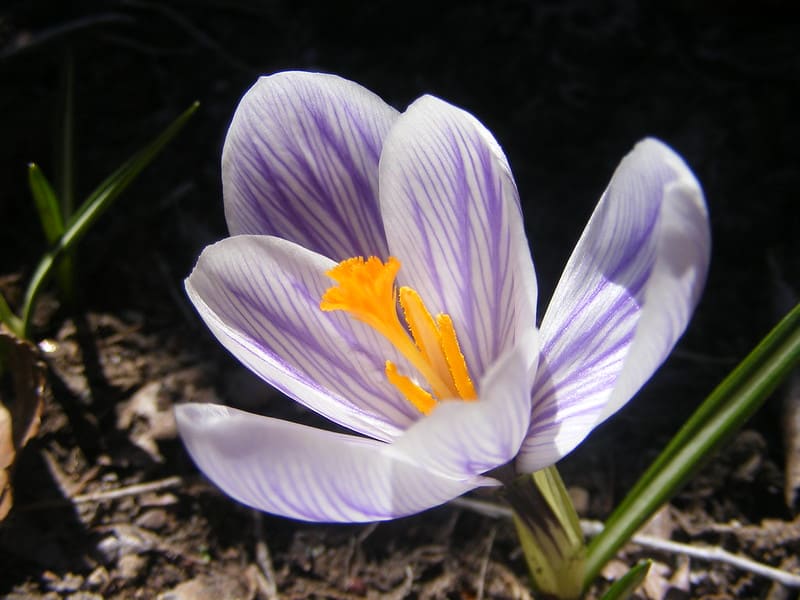
Saffron, often called 'red gold', is one of the world's most precious agricultural products. Requiring nearly 200,000 delicate purple flowers to produce just one kilogram of the spice, it demands extraordinary patience and precision. Each flower blooms for less than three weeks annually, with only three tiny red stigmas being edible - a process so delicate that even slight pressure can diminish its exquisite aroma and flavor.
Adouane's journey began in 2015 after a serious illness, when a saffron-infused drink played a crucial role in her recovery. Frustrated by the high cost of saffron in her region, she decided to experiment with growing her own. Her first attempt was nothing short of miraculous: after two months, a stunning purple carpet of flowers emerged from the ground, igniting her passion for saffron cultivation.
Joining the Association of Rural Women of Béjaïa (AFUD), Adouane discovered a supportive network of enterprising women. In a province of 388,000 people primarily engaged in traditional farming of olives, figs, and livestock, her saffron initiative represents a innovative approach to agricultural diversification. Despite skepticism from agricultural experts who doubted saffron could thrive in the humid Mediterranean coastal climate, Adouane persevered.
The economic potential of saffron is extraordinary. At approximately 70,000 euros per kilogram, the crop offers remarkable returns compared to its initial investment of just 40 euros per kilogram of bulbs. However, scaling production is challenging. Growing just 5 kilograms of saffron requires 5 hectares of carefully cultivated land, and the bulbs must be carefully extracted and replanted every three years.
Climate change has made agricultural success increasingly unpredictable in Béjaïa, with recurring droughts threatening traditional crops. Saffron, with its unique resilience, offers farmers like Adouane a potential lifeline. Her small collective of women has expanded beyond cultivation, creating innovative products like saffron-infused soaps, cosmetics, and health supplements.
Adouane's work exemplifies how traditional agriculture can be reimagined. By transforming challenging terrain into productive saffron fields and creating value-added products, she and her colleagues are not just farming - they're cultivating hope. Their story demonstrates that with ingenuity, collaboration, and respect for agricultural traditions, rural communities can develop sustainable and profitable strategies for economic development.
Based on reporting by Mongabay
This story was written by BrightWire based on verified news reports.
More Good News
 🦸 Heroes
Breaking Free from Entrepreneurial Overwhelm: A Practical Guide to Delegation
 🦸 Heroes
From Struggle to Success: How One High School's Support Launched a Lifelong Journey of Giving Back
 🦸 Heroes
Indigenous Communities Navigate Challenges and Triumphs in a Complex Global Landscape
Start Your Day With Good News
Join 50,000+ readers who wake up to stories that inspire. Delivered fresh every morning.
No spam, ever. Unsubscribe anytime.