Red Gold: How One Algerian Schoolteacher Transformed Her Community with Saffron Farming
In the mountains of Algeria, a schoolteacher transforms saffron farming into an economic lifeline, challenging agricultural norms and empowering rural women through innovative, climate-resilient agriculture.
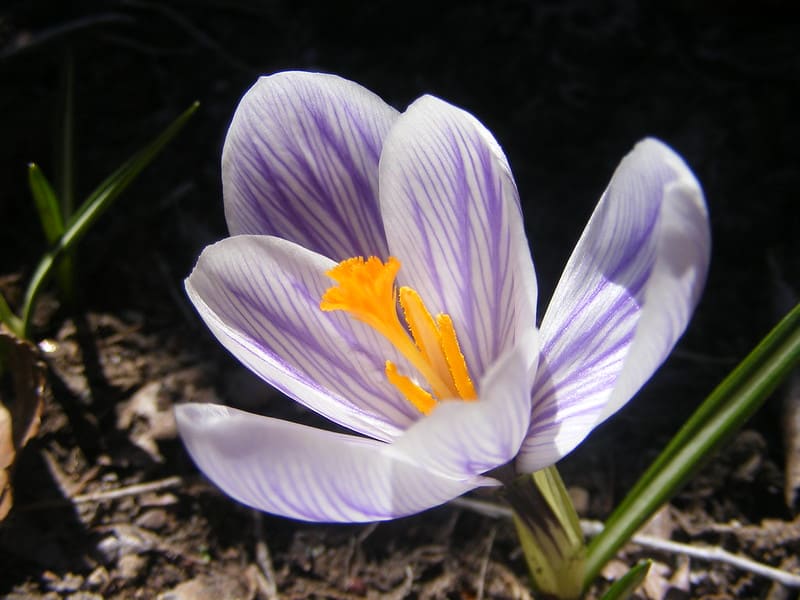
In the rugged, mountainous landscape of Béjaïa, Algeria, a remarkable story of resilience and innovation is blossoming—quite literally—through the delicate purple flowers of saffron. Known as "red gold" for its extraordinary value, this rare spice represents more than just a culinary treasure; it's a lifeline of economic opportunity for rural women seeking sustainable agricultural solutions.
Keltouma Adouane, a local schoolteacher, discovered this potential after experiencing a personal health journey that introduced her to saffron's healing properties. In 2015, during her recovery from a serious illness, Adouane became fascinated by a saffron-infused drink that played a crucial role in her healing. Struck by the beverage's high cost in her region, she decided to take an unconventional path: growing her own saffron.
The cultivation process is remarkably intricate. Each saffron flower blooms for less than three weeks annually, with only three tiny, fragile red stigmas being edible. Harvesting requires meticulous hand-picking at dawn and careful drying, as even slight pressure can diminish the spice's precious aroma and flavor. Astonishingly, it takes nearly 200,000 flowers to produce just one kilogram of dried saffron—a testament to the crop's extraordinary rarity.
Undeterred by initial skepticism from agricultural experts who claimed the humid Mediterranean climate of Béjaïa was unsuitable for saffron, Adouane experimented persistently. When she first planted her bulbs, the result was, in her words, "truly spectacular"—a stunning purple carpet of flowers emerging from the ground. Her success prompted her to join the Association of Rural Women of Béjaïa (AFUD), which supports women's agricultural and entrepreneurial initiatives.
Saffron represents more than just a crop for Adouane and her collective; it's a strategy for climate adaptation. In a region increasingly challenged by drought and unpredictable rainfall, saffron offers a resilient alternative. With bulbs costing just 40 euros and potentially selling for up to 70,000 euros per kilogram, the economic potential is extraordinary. Despite the challenges of cultivating saffron on mountainous terrain, Adouane and her fellow farmers are transforming previously underutilized land into productive agricultural spaces.
The process is labor-intensive and requires immense patience. Every three years, farmers must carefully extract and replant bulbs, and the harvest demands gentle, artisanal hand-cleaning techniques. To produce just 5 kilograms of saffron bulbs requires approximately 5 hectares of land—a significant investment of time, skill, and resources.
Adouane's initiative represents more than agricultural innovation; it's a powerful narrative of rural women's empowerment. By diversifying agricultural practices and creating value-added products like soaps, cosmetics, and health supplements, she and her collective are not just growing a crop—they're cultivating economic independence and community resilience in the face of environmental challenges.
Based on reporting by Mongabay
This story was written by BrightWire based on verified news reports.
More Good News
 🦸 Heroes
Basketball Star Shaquille O'Neal Provides Life-Changing Support for Aspiring Police Officer
 🦸 Heroes
NBA Legend Shaquille O'Neal Extends Helping Hand to Aspiring Police Officer Just One Point Shy of Success
 🦸 Heroes
Art Therapy: A Healing Canvas for Veterans Battling PTSD
Start Your Day With Good News
Join 50,000+ readers who wake up to stories that inspire. Delivered fresh every morning.
No spam, ever. Unsubscribe anytime.