Rare Fisher Returns to Cleveland: A Conservation Success Story
A rare fisher has returned to Cleveland after a 200-year absence, showcasing the power of conservation efforts and wildlife restoration. This remarkable comeback signals hope for endangered species and ecosystem recovery.
In a remarkable testament to wildlife conservation, a rare predator has quietly reclaimed its ancestral territory in northeastern Ohio after a remarkable 200-year absence.
The fisher, a slender and agile member of the weasel family, has made a triumphant return to the Cleveland Metropolitan Area, marking a significant milestone for local wildlife preservation efforts. First spotted in northern Ashtabula County in 2013, these elusive mammals have been gradually expanding their range across multiple counties, including Trumbull, Portage, Mahoning, and Columbiana.
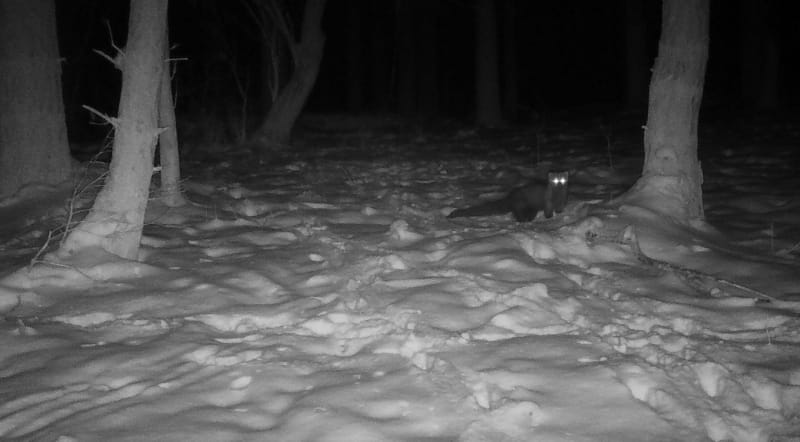
Cleveland Metroparks recently captured groundbreaking trail camera footage of a fisher in Cuyahoga County, the first documented sighting in the region since the 1800s. The parks division expressed enthusiastic excitement about this momentous discovery, highlighting it as another successful reintroduction of a native Ohio mammal species.
About the size of a typical housecat, fishers belong to the Mustelidae family and are renowned for their impressive hunting capabilities. These remarkable predators fearlessly target prey significantly larger than themselves, including rabbits, hares, porcupines, wild turkeys, and raccoons. Their hunting prowess is so legendary that there are even 14 recorded instances of fishers successfully hunting Canadian lynx.
Conservation experts attribute the fisher's comeback to sustained environmental protection efforts. The return of this species, alongside other previously extirpated animals like otters, bobcats, and trumpeter swans, underscores the critical importance of maintaining healthy forests, wetlands, and natural habitats.
While Cleveland Metroparks staff are uncertain whether the recently spotted fisher is merely passing through or establishing a permanent residence, the sighting represents a powerful symbol of nature's resilience and the positive impact of dedicated conservation work. With 56 documented sightings in the past 12 years, these remarkable creatures are steadily reclaiming their historical territory, offering hope and inspiration for wildlife restoration efforts nationwide.
Based on reporting by Good News Network
This story was written by BrightWire based on verified news reports.