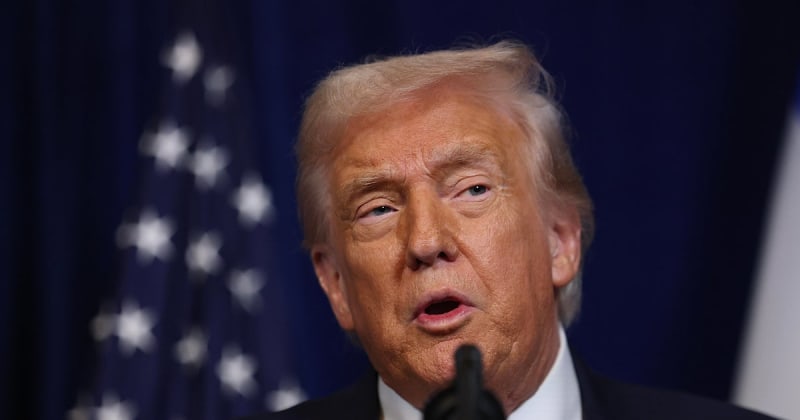
Presidential Vetoes Spark Controversy in Water Pipeline and Tribal Land Dispute
President Trump vetoes two bipartisan bills affecting Native American land rights and water infrastructure, sparking debate about tribal sovereignty and federal policy. The controversial moves target Miccosukee tribal lands and a long-delayed Colorado water pipeline project.
In a dramatic display of executive power, President Trump has wielded his veto pen against two bipartisan bills targeting crucial infrastructure and Native American land rights, signaling continued political tension in Washington.
The first bill, the Miccosukee Reserved Area Amendments Act, would have expanded the Miccosukee Native American Tribe's control over a section of the Florida Everglades and added protection for the Osceola Camp against flooding. Despite strong support from both Republican and Democratic lawmakers like Sens. Rick Scott and Carlos Gimenez, Trump rejected the legislation, claiming it represented 'special interests'.
In a pointed message to Congress, the President specifically criticized the Miccosukee Tribe for allegedly obstructing immigration policies, referencing their legal challenge to a detention center nicknamed 'Alligator Alcatraz'. The tribe vehemently denied these claims, with Chairman Talbert Cypress emphasizing their commitment to environmental stewardship and public safety.
The second vetoed bill, the Finish the Arkansas Valley Conduit Act, targeted a long-delayed water pipeline project originally proposed during President John F. Kennedy's administration. The legislation would have served approximately 50,000 people in southeastern Colorado by reducing local government interest payments for the infrastructure project.
These vetoes continue a pattern of executive intervention, with Trump having previously vetoed 10 bills during his first term and current President Biden having used 13 vetoes. Both pieces of legislation had passed through Congress with bipartisan support via voice votes, meaning a two-thirds majority would be required to override the presidential rejection.
Democratic Representative Darren Soto characterized the veto as 'sad and petty', suggesting it was motivated by revenge against the Miccosukee Tribe's environmental opposition. The tribe itself expressed disappointment, arguing that the bill was fundamentally about protecting their community and preserving their cultural lands.
As the dust settles on these controversial vetoes, the broader implications for Native American sovereignty and infrastructure development remain uncertain, highlighting the complex political landscape of federal decision-making.
Based on reporting by CBS US
This story was written by BrightWire based on verified news reports.
Spread the positivity! 🌟
Share this good news with someone who needs it
More Good News
 💡 Solutions
Data Privacy Under Siege: Trump's Bold Plan to Merge Government Databases
 💡 Solutions
Ondo Governor Grants Fresh Start to 77 Inmates through Compassionate Clemency
 💡 Solutions