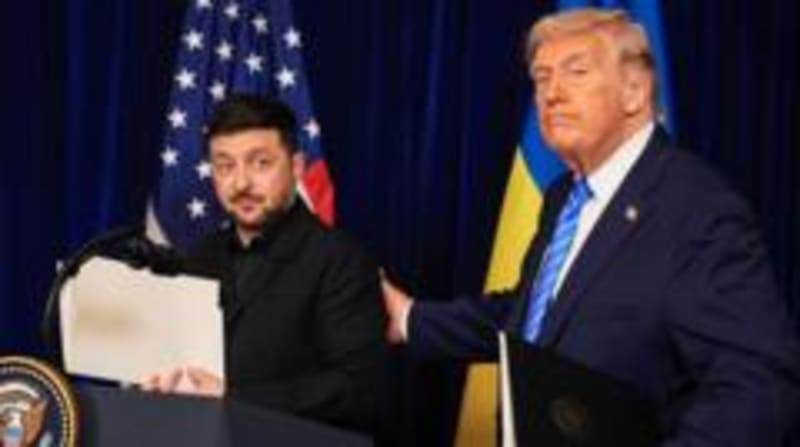
Peace Prospects Emerge: Ukraine and Russia Inch Closer to Potential Resolution
Ukraine and Russia edge closer to potential peace negotiations, facing complex challenges over territorial control and nuclear plant management. Diplomatic efforts reveal nuanced proposals and cautious hope for resolution.
In a delicate diplomatic dance, Russia, the United States, and Ukraine are navigating the complex terrain of potential peace negotiations, with high-stakes discussions revealing both hope and significant challenges.
President Volodymyr Zelensky and Russian leadership are engaged in intricate talks that center on two critical issues: territorial control of the Donbas region and the management of Europe's largest nuclear power plant. While both sides acknowledge negotiations are approaching a critical stage, substantial obstacles remain that could easily derail potential progress.
The Donbas region represents the most contentious territorial dispute. Currently, Russian forces occupy most of the Luhansk region and approximately 75% of Donetsk, but President Vladimir Putin demands complete control of the entire industrial area. Zelensky has proposed a nuanced compromise: creating a demilitarized zone where Ukrainian and Russian forces would simultaneously withdraw, with international peacekeeping forces monitoring the line of contact.
Experts from the Institute for the Study of War suggest that if Russia maintains its current advance rate, conquering the remaining Donetsk territory could take until August 2027 - a sobering projection that underscores the potential for prolonged conflict. Zelensky's proposal would also require Russian troop withdrawal from additional occupied territories, including regions in Kharkiv, Sumy, Dnipropetrovsk, and Myokolaiv.
The Zaporizhzhia nuclear power plant represents another critical negotiation point. Occupied by Russian forces since March 2022, the plant's six nuclear reactors are currently in cold shutdown, maintained by external power supplied by Ukraine. The facility requires substantial investment, particularly to rebuild the destroyed Kakhovka hydro-electric dam that previously provided cooling water.
The United States has proposed a joint management approach for the nuclear facility, with Zelensky indicating potential scenarios including US-Ukraine co-management or a three-way arrangement involving Russia. However, Rosatom nuclear agency head Alexei Likachev maintains that only Russia can ensure the plant's safety, creating another significant diplomatic hurdle.
Despite the challenges, both sides express cautious optimism. Kremlin envoy Yuri Ushakov has even suggested the possibility of a troop-free Donbas region, though he remains adamant about Russian territorial claims. Zelensky's commitment to protecting the approximately 300,000 residents in contested areas underscores the human dimension of these complex negotiations.
As diplomatic efforts continue, with Zelensky scheduled to meet European leaders in France on January 6th, the international community watches closely. The path to peace remains uncertain, but the willingness of all parties to engage in dialogue offers a glimmer of hope in an otherwise challenging geopolitical landscape.
Based on reporting by BBC News
This story was written by BrightWire based on verified news reports.
More Good News
 ✨ Good News
Geopolitical Tensions Rise as Israel Recognizes Somaliland, Sparking International Debate
 ✨ Good News
2025: A Year of Transformative Change - From AI Revolution to Global Shifts
 ✨ Good News