Offshore Wind Project Pause Sparks Gubernatorial Showdown Along Atlantic Coast
Offshore wind projects along the Atlantic coast face unexpected federal pause, sparking a compelling political drama. Four state governors challenge the decision while Virginia's leader remains conspicuously silent.
A high-stakes political drama is unfolding along the Atlantic seaboard, where five offshore wind projects have been abruptly halted by an unexpected federal intervention, leaving state leaders scrambling for answers.
Interior Secretary Doug Burgum's surprise stop-work order on December 22 has triggered a remarkable response from governors across the northeastern United States, with one notable exception: Virginia's outgoing Governor Glenn Youngkin, whose conspicuous silence has raised eyebrows in energy and political circles.
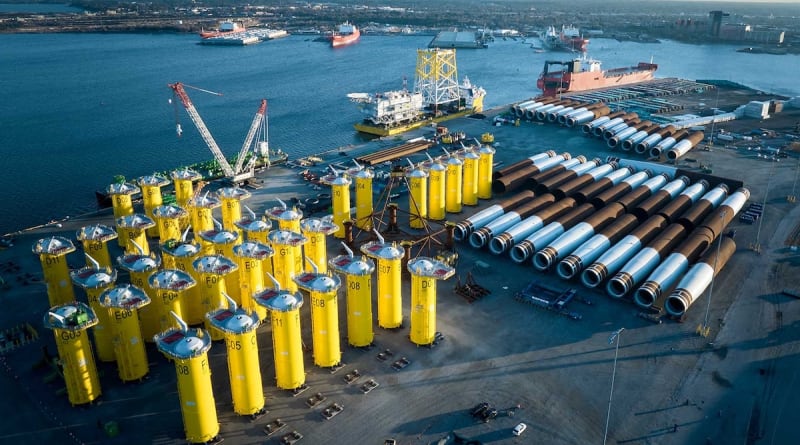
The order affects five major offshore wind projects: Coastal Virginia Offshore Wind (CVOW), Vineyard Wind in Massachusetts, Revolution Wind in Rhode Island and Connecticut, and Sunrise and Empire Wind in New York. Each project represents significant investments in renewable energy infrastructure, with CVOW standing out as the largest at 2.6 gigawatts and closest to completion after a meticulous 12-year planning and development process.
In an unprecedented move, four Democratic governors - Ned Lamont of Connecticut, Maura Healey of Massachusetts, Daniel McKee of Rhode Island, and Kathy Hochul of New York - have jointly demanded a classified briefing from Defense Secretary Pete Hegseth to understand the rationale behind Burgum's emergency order. The governors signed a collaborative letter on December 24, seeking transparency about the undisclosed Department of Defense information that prompted this dramatic intervention.
Youngkin's unusual passivity is particularly striking given his previous vocal support for the CVOW project. As the only Republican governor among the affected states, and with mere weeks remaining in his term before Democrat Abigail Spanberger takes office on January 17, his strategic silence has fueled speculation about potential national political calculations.
Political observers suggest Youngkin may be positioning himself for future Republican Party leadership opportunities, where maintaining a nuanced stance on renewable energy could prove strategically advantageous. His recent actions, including unveiling his official portrait and issuing numerous board appointments in December, indicate a focus on legacy and future political positioning rather than immediate renewable energy advocacy.
The broader implications of this pause extend far beyond Virginia. The affected wind projects represent critical components of the northeastern states' renewable energy strategies, promising significant economic development, job creation, and progress toward ambitious clean energy goals. The sudden federal intervention threatens to disrupt years of careful planning and substantial financial investments.
As the story continues to develop, stakeholders across the energy sector and political landscape are watching closely. The delicate balance between national security considerations, renewable energy development, and state-level economic interests hangs in the balance, with the potential to reshape conversations about offshore wind energy for years to come.
Based on reporting by CleanTechnica
This story was written by BrightWire based on verified news reports.
More Good News
 🌍 Planet
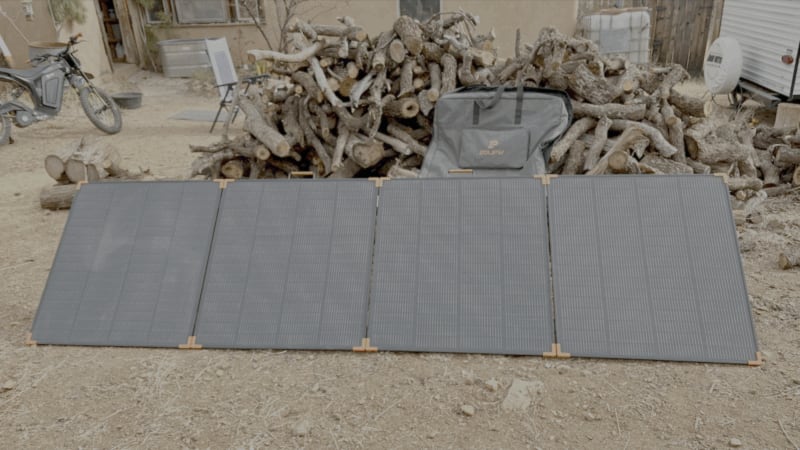
Innovative Solar Solution: ZOUPW 450W Portable Panel Revolutionizes Off-Grid Power Generation
 🌍 Planet
Conservation or Displacement? The Complex Story of Tanzania's Game Reserves
 🌍 Planet
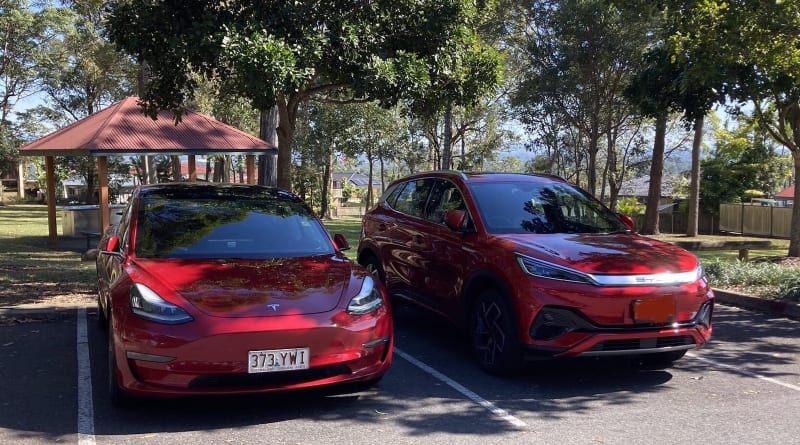
Electric Vehicle Giants BYD and Tesla Dominate Global Battery Electric Vehicle Market
Start Your Day With Good News
Join 50,000+ readers who wake up to stories that inspire. Delivered fresh every morning.
No spam, ever. Unsubscribe anytime.