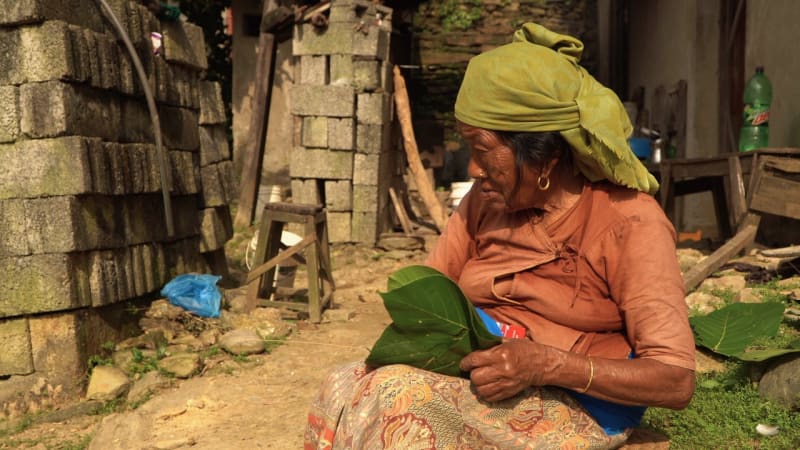
Nepal's Indigenous Communities Stand Strong: Defending Lands and Rights in 2025
Nepal's Indigenous communities are mounting powerful legal and grassroots resistance against development projects that threaten their lands and cultural heritage. Their strategic challenges to hydropower, mining, and cable car initiatives showcase the critical importance of community-led environmental protection.
In the heart of Nepal's mountainous terrain, Indigenous communities are emerging as powerful guardians of their ancestral lands, challenging development projects that threaten their cultural heritage and environmental ecosystems.
Throughout 2025, Indigenous peoples across Nepal have mounted significant legal and grassroots resistance against infrastructure projects that risk displacing communities and disrupting delicate environmental balance. From hydropower initiatives to mining operations and cable car developments, these communities have demonstrated remarkable resilience in protecting their traditional territories.
One landmark case involved the Bhote-Lhomi Singsa people, who re-filed a critical writ petition in Nepal's highest court challenging a hydropower project with an allegedly flawed environmental impact assessment (EIA). The project, which began construction in 2021, directly threatens Indigenous lands in Chyamtang, Ridak, and Thudam villages—communities that rely on subsistence agriculture, yak herding, and herbal medicine trade for their survival.
In Nepal's remote far west, another crucial battle emerged around a massive iron mining operation approved without obtaining free, prior, and informed consent (FPIC) from local Indigenous communities. The proposed mining project in Jhumlabang's Rukum district could severely impact rivers, forests, farmlands, and wildlife conservation areas while potentially displacing ancestral communities who depend on farming, livestock, and wild food collection.
The Pathibhara cable car project sparked particular controversy by targeting a sacred forest site of the Yakthung (Limbu) community. Environmental assessments were criticized for overlooking key species in the area, and community members estimated that over 40,000 trees were felled—far exceeding official reports. Protests escalated to violent clashes between locals and security forces, ultimately prompting the Supreme Court to halt project construction.
During Nepal's political restructuring sparked by Gen Z protests in September, the previous government controversially granted national priority status to six commercial cable car projects, including one within the legally protected Annapurna Conservation Area. This decision drew sharp criticism from Indigenous communities, lawyers, and conservationists who highlighted the lack of community consultation and potential violation of previous Supreme Court rulings.
At the international climate conference COP30 in Belém, Nepal's delegation made modest but meaningful progress by securing language about mountain ecosystems in the Global Mutirão and pushing negotiations on climate finance adaptation. While Indigenous participation was limited, these diplomatic efforts represent an important step toward recognizing the critical role of Indigenous communities in environmental stewardship.
As 2025 unfolds, Nepal's Indigenous peoples continue to demonstrate extraordinary courage and strategic resistance, proving that community-led environmental protection is not just possible, but essential for sustainable development and cultural preservation.
Based on reporting by Mongabay
This story was written by BrightWire based on verified news reports.
More Good News
 ✨ Good News
Five Surprising New Laws That Could Change Daily Life in 2025
 ✨ Good News
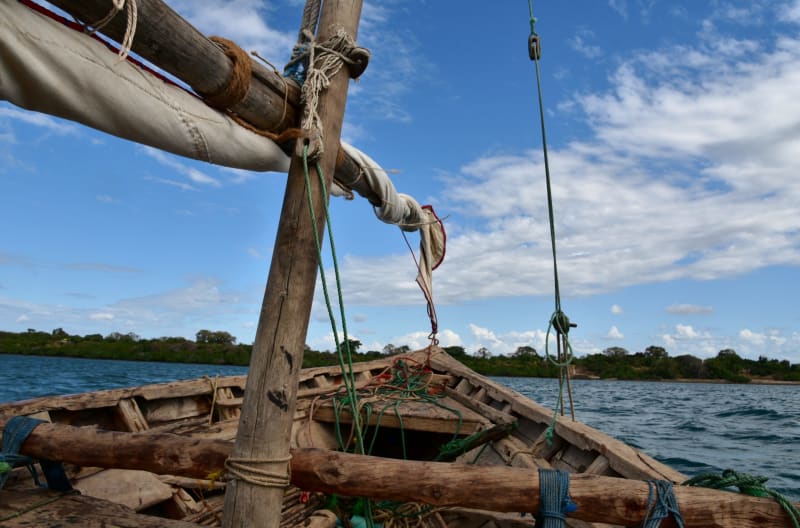
Tanzania's Bold Fishing Boat Initiative: Navigating Challenges in Maritime Modernization
 ✨ Good News
Malcolm Gladwell Reflects on 'The Tipping Point' in Candid Podcast Interview
Start Your Day With Good News
Join 50,000+ readers who wake up to stories that inspire. Delivered fresh every morning.
No spam, ever. Unsubscribe anytime.