Nepal Transforms Mount Everest Waste Management Strategy to Protect World's Highest Peak
Nepal is revolutionizing its approach to waste management on Mount Everest by replacing a failed deposit scheme with a comprehensive clean-up strategy. The new plan involves a non-refundable fee and enhanced monitoring to protect the world's highest peak from environmental degradation.
Mount Everest, the world's most iconic mountain, is about to undergo a critical environmental intervention as Nepalese authorities abandon a decade-old waste deposit scheme that failed to curb the growing garbage crisis.
For 11 years, climbers were required to pay a $4,000 deposit, which they could recover only by bringing back at least 8kg of waste from the mountain. Despite the innovative approach, the strategy proved ineffective in addressing the estimated 50 tonnes of trash accumulating on the legendary peak.
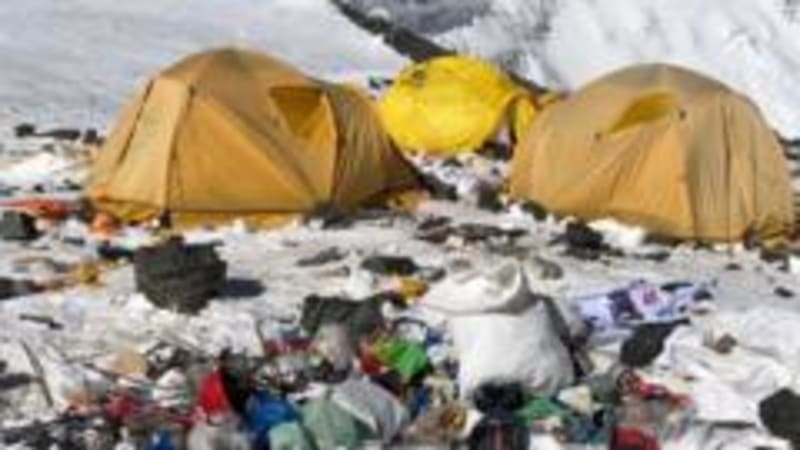
Himal Gautam from the tourism department candidly acknowledged that the scheme had become an administrative burden without producing tangible results. The fundamental challenge emerged from climbers' tendency to collect waste only from lower camps, leaving higher elevation areas still cluttered with abandoned equipment, oxygen bottles, and food packaging.
Tshering Sherpa, CEO of the Sagarmatha Pollution Control Committee, revealed that an average climber generates approximately 12kg of waste during their six-week expedition, far exceeding the initial return requirement. The lack of consistent monitoring compounded the problem, with checkpoints providing minimal oversight of climbers' waste management practices.
In response, Nepalese authorities are implementing a transformative approach. A new non-refundable $4,000 clean-up fee will fund enhanced monitoring efforts, including establishing a checkpoint at Camp Two and deploying mountain rangers to ensure climbers remove their waste. This strategy emerged from years of advocacy by the local Sherpa community, who had long questioned the previous scheme's effectiveness.
The comprehensive five-year mountain clean-up action plan represents a significant commitment to environmental preservation. By creating a dedicated fund and implementing more rigorous tracking mechanisms, Nepal hopes to address the pressing waste challenges on Everest, which include not just equipment and packaging, but also human waste that does not decompose in the mountain's freezing temperatures.
With approximately 400 climbers ascending Everest annually, accompanied by numerous support staff, this new approach signals a proactive stance toward sustainable mountaineering. The non-refundable fee and increased monitoring demonstrate Nepal's dedication to protecting one of the world's most extraordinary natural environments while maintaining the mountain's allure for adventurers worldwide.
Based on reporting by BBC World
This story was written by BrightWire based on verified news reports.
More Good News
 🌍 Planet
Duke Energy Florida Slashes Electricity Bills by 22%, Credits Solar Innovations
 🌍 Planet
Electric Vehicle Market Shifts: Unprecedented Deals Await Buyers This Year-End
 🌍 Planet
T1 Energy Acquires Massive 5-Gigawatt Solar Module Factory from Trina Solar, Marking New Era in US Clean Energy Manufacturing
Start Your Day With Good News
Join 50,000+ readers who wake up to stories that inspire. Delivered fresh every morning.
No spam, ever. Unsubscribe anytime.