Mushroom Magic: How Fungal Networks Could Revolutionize Sustainable Construction
Researchers are turning mushroom root networks into revolutionary sustainable building materials. These 'mycelium blocks' could transform construction by offering fire-resistant, biodegradable alternatives to traditional materials.
Beneath the forest floor, an invisible network of white threads is quietly transforming our understanding of sustainable materials. Mycelium - the root system of fungi - isn't just a forest floor curiosity, but potentially a groundbreaking solution to some of our most pressing environmental challenges.
Most people think of mushrooms as mere food or forest decoration, but scientists are discovering these organisms are far more complex and powerful than anyone imagined. Mycelium, the living body of fungi, grows through thin branching filaments called hyphae that spread across soil and organic matter, breaking down waste and creating nutrients for plants and trees.
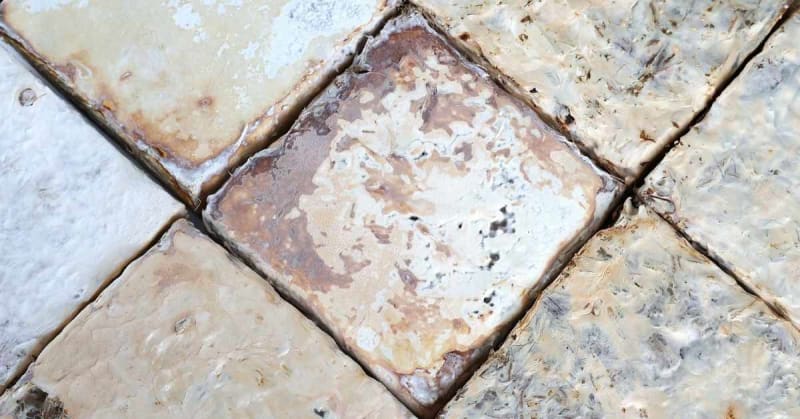
Materials scientists are now exploring how these incredible fungal networks can be transformed into revolutionary building materials. By growing mycelium around agricultural waste like sawdust and straw, researchers can create lightweight, biodegradable blocks that are surprisingly versatile. These 'mushroom blocks' can be molded at room temperature, require minimal energy to produce, and offer remarkable properties like fire resistance and natural breathability.
Current research is focusing on expanding mycelium's potential across multiple industries. Prototype applications already include packaging alternatives to polystyrene, acoustic panels for noise reduction, insulation materials, and even leather-like textiles. Architects have already experimented with temporary structures grown entirely from plant waste and fungal networks, showcasing the material's incredible adaptability.
However, mycelium-based composites aren't yet ready to completely replace traditional building materials. Current challenges include limited structural strength, moisture absorption, and difficulties in achieving uniform large-scale production. Researchers are actively addressing these limitations through innovative approaches like natural fiber reinforcement, protective natural coatings, and even using artificial intelligence to optimize growth conditions.
The most promising avenues for improvement include mixing agricultural fibers like hemp and flax to enhance strength, developing natural wax and oil coatings to improve moisture resistance, and using AI to precisely control growth environments. By carefully adjusting temperature, humidity, and nutrient sources, scientists hope to create more consistently dense materials with enhanced passive cooling and structural performance.
As climate change and environmental sustainability become increasingly urgent global priorities, mycelium represents a beacon of hope. These fungal networks offer a glimpse into a future where construction materials are not just manufactured, but grown - transforming waste into innovative, eco-friendly solutions that work in harmony with natural systems.
While challenges remain, the potential of mycelium-based materials is extraordinary. By reimagining how we create and use building materials, researchers are not just developing new technologies - they're pioneering a more sustainable approach to design that could fundamentally reshape our relationship with the built environment.
Based on reporting by Good Good Good
This story was written by BrightWire based on verified news reports.
More Good News
 🚀 Innovation
Electrifying Deal: Dodge Charger EV Slashes Prices by Nearly 50%
 🚀 Innovation
CATL's Sodium-Ion Battery Revolution: A Breakthrough in Electric Vehicle Technology
 🚀 Innovation
Home Tech Revolution: 5 Breakthrough Innovations That Are Changing Everyday Living
Start Your Day With Good News
Join 50,000+ readers who wake up to stories that inspire. Delivered fresh every morning.
No spam, ever. Unsubscribe anytime.