Mount Everest's Waste Challenge: Nepal Pivots to New Environmental Strategy
Nepal is replacing its ineffective Mount Everest waste deposit scheme with a comprehensive new environmental strategy. The innovative approach introduces a non-refundable fee to fund waste management and monitoring efforts across the world's highest peak.
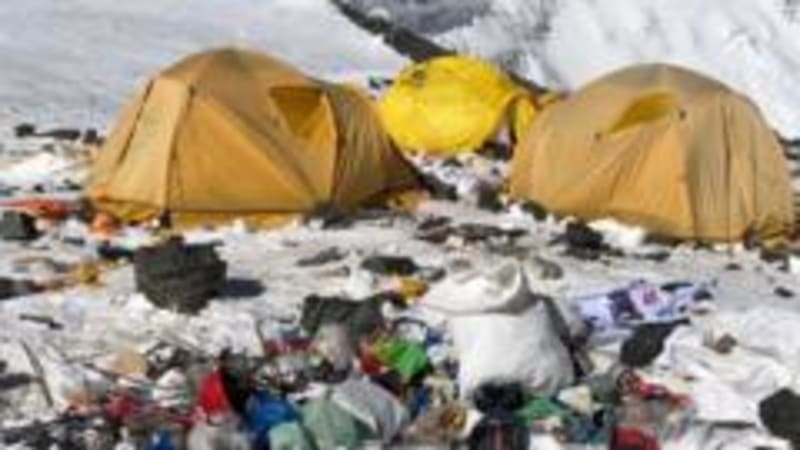
Mount Everest, the world's most iconic peak, has long battled a growing environmental crisis - mountains of accumulated trash left behind by adventurers seeking to conquer its treacherous heights. After over a decade of struggling with a deposit-based waste management scheme, Nepalese authorities have decided to chart a new course in preserving the pristine ecosystem of this legendary mountain.
The previous system required climbers to pay a substantial $4,000 deposit, which would only be refunded if they returned with at least 8kg of waste. Designed to combat the estimated 50 tonnes of garbage blanketing Everest, the program has been deemed a comprehensive failure by tourism officials, who acknowledge that the rubbish problem remains unresolved.
Himal Gautam from Nepal's tourism department candidly shared that the scheme not only failed to mitigate waste accumulation but also became an administrative burden. Most problematically, climbers predominantly returned trash from lower camps, leaving the most contaminated higher elevation areas virtually untouched. Tshering Sherpa of the Sagarmatha Pollution Control Committee noted that climbers typically only retrieve oxygen bottles, leaving behind tents, food packaging, and other debris.
The average climber generates approximately 12kg of waste during their six-week expedition, far exceeding the original scheme's modest retrieval requirements. Lack of consistent monitoring emerged as a critical weakness, with checkpoint oversight limited primarily to the Khumbu Icefall area. Recognizing these systemic failures, Nepalese authorities have designed an innovative replacement strategy.
The new approach introduces a non-refundable $4,000 clean-up fee that will directly fund comprehensive waste management efforts. Plans include establishing a checkpoint at Camp Two and deploying mountain rangers to systematically monitor and enforce waste retrieval protocols. Mingma Sherpa from the Pasang Lhamu rural municipality celebrated this development, highlighting that the Sherpa community had long advocated for more robust environmental protections.
This initiative forms part of a comprehensive five-year mountain clean-up action plan aimed at addressing Everest's mounting waste challenges. While no definitive study has quantified the total waste, estimates suggest significant accumulation, including human waste that does not decompose in the mountain's freezing temperatures. With approximately 400 climbers ascending annually, accompanied by numerous support staff, sustainable mountaineering practices have become increasingly crucial.
As Nepal reimagines its approach to preserving one of the world's most remarkable natural landscapes, the new strategy represents hope for environmental stewardship. By transforming waste management from a deposit system to a proactive, funded intervention, authorities aim to protect Everest's delicate ecosystem for future generations of adventurers and conservationists alike.
Based on reporting by BBC World
This story was written by BrightWire based on verified news reports.
More Good News
 💡 Solutions
Historic Victory: First Black Woman Elected to Iowa State Senate Blocks GOP Supermajority
 💡 Solutions
Taiwan Remains Vigilant as China Concludes Major Military Exercises
 💡 Solutions