Kenya's Nuclear Power Plan Reveals Complex Land Rights Challenges for Coastal Communities
Kenya's proposed nuclear power plant in Uyombo reveals complex land rights challenges, highlighting the tension between national development and community preservation. The story explores deep-rooted issues of land ownership, environmental protection, and sustainable progress.
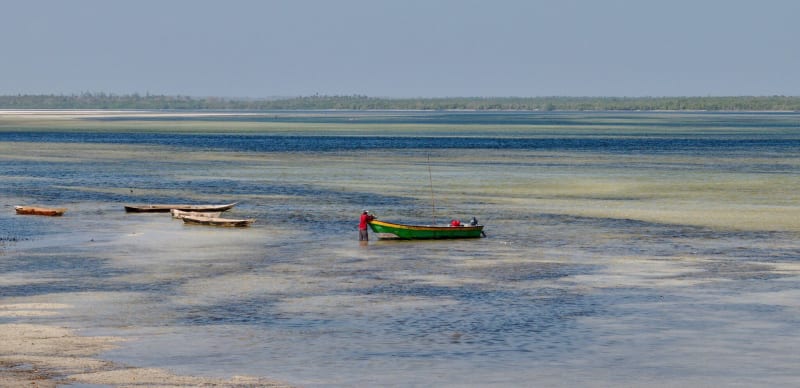
In the tranquil coastal town of Uyombo, where dolphins dance in the azure waters and mangrove forests whisper stories of generations past, a transformative energy project has sparked profound conversations about community land rights and sustainable development.
Sanita Kitole, a passionate environmental activist from Watamu Marine National Park, stands at the center of a critical dialogue about Kenya's first proposed nuclear power plant. The government's ambitious plan to expand electricity production has collided with deep-rooted community concerns about land ownership, environmental preservation, and cultural heritage.
Kenya's National Nuclear Power Regulator (NuPEA) argues that the country's growing development requires innovative energy solutions beyond traditional hydropower. However, local residents like Kitole fear the potential loss of their ancestral lands, fishing livelihoods, and proximity to precious ecological reserves like Arabuko-Sokoke Forest, a UNESCO Biosphere Reserve.
The crux of the tension lies in Kenya's complex land rights framework. According to a 2020 report by Rights and Resources, over two-thirds of Kenya's 56.91 million hectares is community land. Yet, without official land titles—a process that can cost between 3-4 million shillings ($23,300-$31,000)—these lands technically remain state property, vulnerable to government-led development projects.
Local residents have repeatedly attempted to navigate the bureaucratic maze of land title acquisition, only to encounter systemic barriers. "Our parents tried to follow every rule to obtain official papers, but they were consistently blocked," Kitole explains. "We don't understand why, especially when we believe we have a fundamental right to our land."
The proposed nuclear power plant has become a lightning rod for broader discussions about community engagement, land rights, and sustainable development. Protests have erupted, with community members expressing frustration about limited consultation and unclear plans for managing potential radioactive waste.
While the project's legal framework appears sound from a technical standpoint, it has reignited critical conversations about balancing national infrastructure needs with community rights and environmental preservation. For Kitole and his fellow residents, the struggle is not just about preventing a power plant, but about ensuring their voices are heard and their historical connections to the land are respected.
As Kenya continues to chart its developmental path, the Uyombo case study offers a nuanced perspective on the delicate balance between national progress and community empowerment—a dialogue that extends far beyond a single nuclear power proposal.
Based on reporting by Mongabay
This story was written by BrightWire based on verified news reports.
More Good News
 ✨ Good News
Five Surprising New Laws That Could Change Daily Life in 2025
 ✨ Good News
Tanzania's Bold Fishing Boat Initiative: Navigating Challenges in Maritime Modernization
 ✨ Good News
Malcolm Gladwell Reflects on 'The Tipping Point' in Candid Podcast Interview
Start Your Day With Good News
Join 50,000+ readers who wake up to stories that inspire. Delivered fresh every morning.
No spam, ever. Unsubscribe anytime.