Japan's Female Leaders Champion More Restrooms in Historic Parliamentary Push
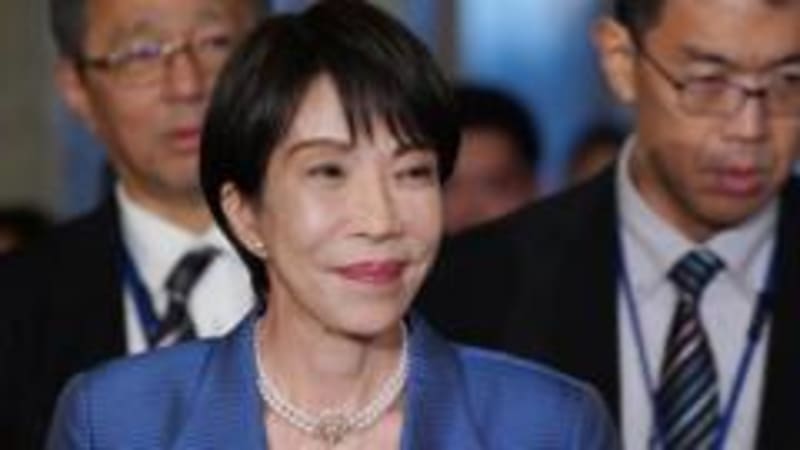
Japanese female lawmakers, led by Prime Minister Sanae Takaichi, are championing increased restroom facilities in parliament, symbolizing a broader push for gender equity in national governance.
In a landmark move for gender equity, Japan's political landscape is transforming as female lawmakers unite to address a surprisingly basic infrastructure challenge: insufficient women's restrooms in the national parliament.
Prime Minister Sanae Takaichi is leading a progressive coalition of approximately 60 female legislators demanding more bathroom facilities to match their growing representation in government. With a record 73 women now elected to the 465-seat Lower House—surpassing the previous high of 54 in 2009—the need for adequate facilities has become impossible to ignore.
The current restroom situation reveals a stark gender disparity. Currently, only one female toilet with two cubicles exists near the plenary chamber, while the entire building contains just nine female toilets with 22 total cubicles. In contrast, men have 12 toilets with 67 stalls and urinals—a striking imbalance that reflects deeper systemic challenges.
Opposition lawmaker Yasuko Komiyama has been vocal about the inconvenience, describing scenarios where female MPs and staff regularly encounter long queues before critical sessions. "I want to raise my voice and prepare myself for the day when women hold more than 30% of parliamentary seats," she declared on Facebook, highlighting the strategic importance of this seemingly mundane issue.
The parliament building, constructed in 1936—a decade before women gained voting rights—symbolically represents the historical marginalization of women in Japanese political spaces. With women currently occupying nearly 16% of Lower House seats and about a third of Upper House positions, this restroom initiative represents a tangible step toward genuine institutional inclusivity.
Encouragingly, Lower House committee chair Yasukazu Hamada has expressed willingness to consider expanding women's restroom facilities. This openness suggests a growing recognition that creating supportive infrastructures is crucial for meaningful gender representation in leadership.
Prime Minister Takaichi, who became Japan's first female leader in October 2022, has consistently advocated for increasing women's participation in governance. Her cabinet's goal of achieving representation comparable to Nordic countries signals a transformative approach to political engagement.
As Japan continues its journey toward gender equality, this restroom initiative represents more than just a practical solution—it's a powerful symbol of institutional change, demonstrating that progress often begins with addressing the most basic human needs.
Based on reporting by BBC World
This story was written by BrightWire based on verified news reports.
Spread the positivity! 🌟
Share this good news with someone who needs it
More Good News
 💡 Solutions
Idoma Kingdom's Leader Unveils Bold 2026 Vision of Unity and Hope
 💡 Solutions
Yobe Governor Signs N515.5 Billion Budget, Commits to Economic Transformation
 💡 Solutions