Japanese Women Lawmakers Unite to Address Parliamentary Bathroom Inequality
Japanese women lawmakers unite to address parliamentary bathroom inequality, submitting a landmark petition that highlights both progress and ongoing challenges in gender representation. The initiative symbolizes a broader movement toward institutional change and equal representation.
In a groundbreaking display of solidarity, nearly 60 women lawmakers in Japan have submitted a powerful petition highlighting a surprising challenge in their professional environment: insufficient bathroom facilities for women in the national parliament.
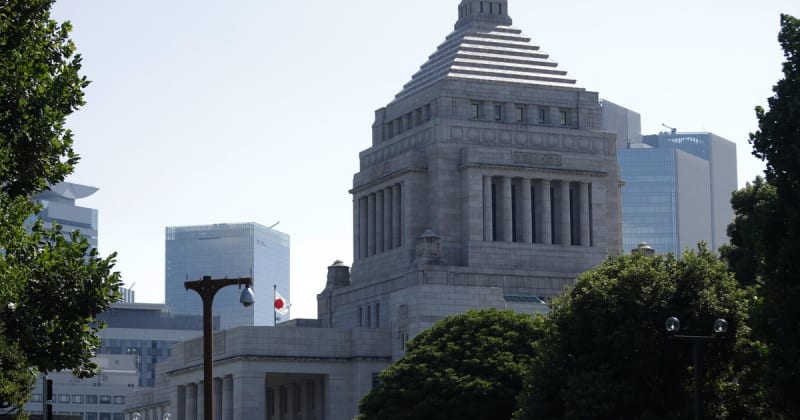
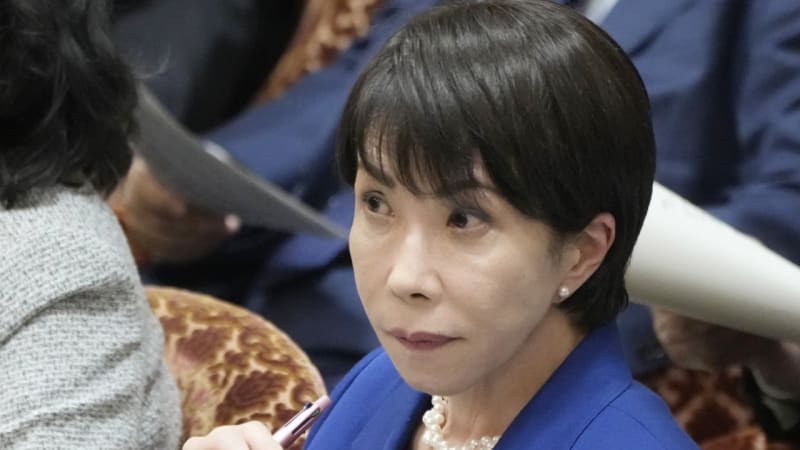
The petition, spearheaded by elected representatives including Prime Minister Sanae Takaichi, draws attention to a stark disparity in restroom access within the historic Diet building. Currently, only one lavatory with two cubicles serves the 73 women elected to the lower house, creating lengthy queues before critical legislative sessions.
The facility's infrastructure, completed in 1936, predates women's voting rights in Japan by nearly a decade. Statistical evidence reveals a significant imbalance: while men have 12 toilets with 67 stalls, women have just nine facilities totaling 22 cubicles. This bathroom bottleneck symbolizes broader gender representation challenges in Japanese politics.
Yasuko Komiyama from the opposition Constitutional Democratic Party emphasized the significance of this petition, noting that the restroom situation reflects both progress and persistent inequalities. Japan currently ranks 118th out of 148 countries in the World Economic Forum's Global Gender Gap Report, underscoring ongoing challenges for women in leadership positions.
Despite these obstacles, recent elections have shown promising advancement. In the 2024 election, women's representation in the lower house increased from 45 to 73 members, with the government targeting 30 percent legislative representation. Prime Minister Takaichi, an admirer of Margaret Thatcher, has spoken candidly about women's health challenges and her personal experiences with menopause.
The toilet petition represents more than a practical infrastructure request—it's a symbolic step toward greater gender equality. As Komiyama aptly stated, this effort demonstrates how the increasing number of female lawmakers is gradually transforming institutional spaces and perspectives.
While Takaichi remains socially conservative on issues like surname laws and imperial succession, her leadership signals potential for meaningful change. The cross-party petition exemplifies collaborative efforts to address systemic inequities, offering hope for continued progress in Japanese political representation.
Based on reporting by CBS News
This story was written by BrightWire based on verified news reports.
More Good News
 💡 Solutions
Japanese Women Lawmakers Unite: A Call for Better Facilities in Parliament
 💡 Solutions
Japan's Female Lawmakers Push for Basic Dignity: More Parliamentary Toilets
 💡 Solutions