January's Night Sky: Jupiter and Its Four Massive Moons Offer Spectacular Stargazing Show
This January, Jupiter takes center stage in a spectacular night sky display, offering stargazers an unprecedented view of its four largest moons. Don't miss this rare astronomical opportunity to witness the Galilean Moons in all their celestial glory.
Astronomy enthusiasts and casual sky watchers are in for a celestial treat this month, as the solar system's largest planet prepares to take center stage in the night sky. January offers a prime opportunity to witness Jupiter and its four legendary moons in stunning clarity, providing an accessible cosmic spectacle for anyone willing to look up.
On January 10th, Jupiter will rise dramatically over the eastern horizon at sundown, climbing steadily until reaching its zenith at midnight. This celestial event, known as planetary opposition, positions Jupiter directly opposite the Sun from Earth's perspective, creating optimal viewing conditions for stargazers across the United States.
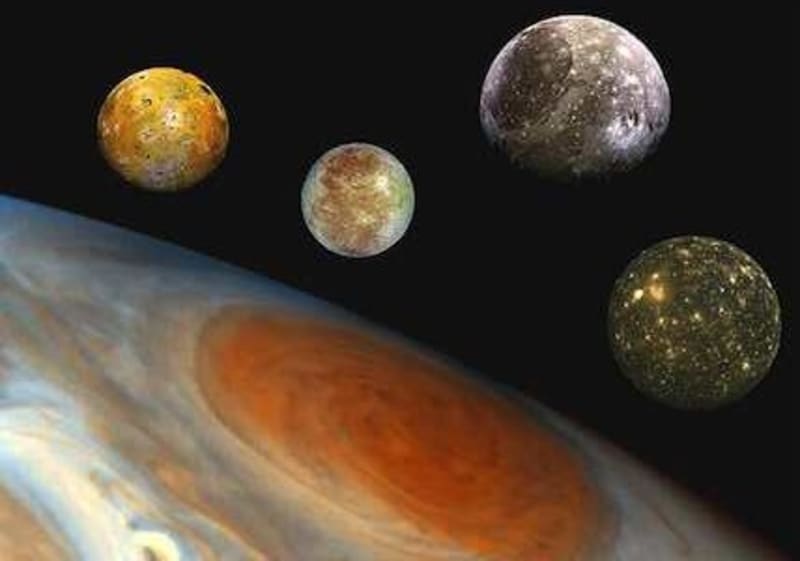
With nothing more than a pair of binoculars or a small telescope, observers can easily spot the four largest Jovian moons: Io, Ganymede, Europa, and Callisto. These remarkable satellites, first identified by Galileo Galilei in 1610, each possess unique characteristics that make them fascinating astronomical subjects.
Io stands out as the most volcanically active world in our solar system, while Ganymede claims the title of largest satellite. Callisto presents a pockmarked surface riddled with ancient craters, offering a window into the solar system's tumultuous early history. These moons, collectively known as the Galilean Moons, represent a microcosm of planetary diversity within our cosmic neighborhood.
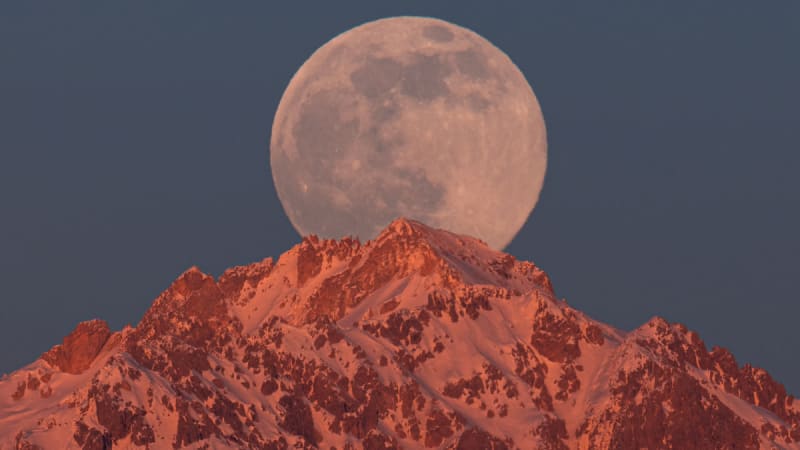
This month's viewing comes with a slight caveat: the waning supermoon might introduce some light pollution. The January full moon, traditionally called the Wolf Moon—named for the believed increased likelihood of wolf howls in North American landscapes—will peak at 2:00 a.m. Pacific time, potentially affecting visibility.
For those eager to explore the night sky, January 10th represents an exceptional opportunity to connect with the vast, mysterious universe surrounding our planet. Whether you're an experienced astronomer or a curious novice, witnessing Jupiter and its magnificent moons offers a humbling reminder of the incredible celestial ballet constantly unfolding above us.
Amateur astronomers are encouraged to find a dark viewing location away from city lights, allow their eyes to adjust to the darkness, and prepare for an unforgettable cosmic experience. No specialized equipment is necessary—just a sense of wonder and a clear night sky.
Based on reporting by Good News Network
This story was written by BrightWire based on verified news reports.
Spread the positivity! 🌟
Share this good news with someone who needs it