Iranian Students Rise Up: Economic Pressures Spark Nationwide Campus Demonstrations
Iranian students launch nationwide protests over economic hardships, with President Pezeshkian promising reforms and dialogue. The demonstrations reflect growing public frustration with currency devaluation and rising inflation.
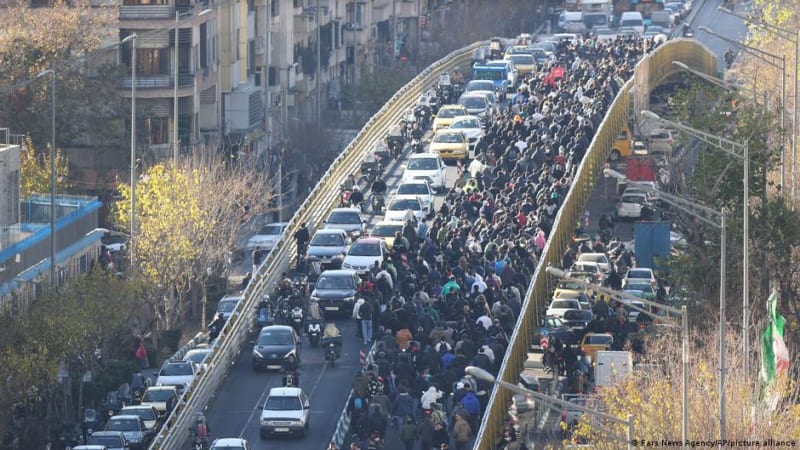
A wave of student-led protests swept across Iranian universities on Tuesday, reflecting growing public frustration with economic challenges and currency devaluation. Hundreds of students at multiple institutions in Tehran, Isfahan, Yazd, and Zanjan took to the streets, joining shopkeepers and merchants in expressing deep concerns about the country's financial instability.
The demonstrations marked a significant moment of public dissent, emerging as the first major protests since June's brief conflict with Israel. Fars news agency reported student gatherings at four universities in Tehran, while other media outlets suggested the movement had spread to seven different sites across the country.
President Masoud Pezeshkian responded quickly to the unrest, taking to social media late Monday to announce proactive steps. He instructed his interior minister to arrange talks addressing the 'legitimate demands' of protesters and develop a comprehensive government response. 'We have fundamental actions on the agenda to reform the monetary and banking system and preserve the purchasing power of the people,' Pezeshkian emphasized.
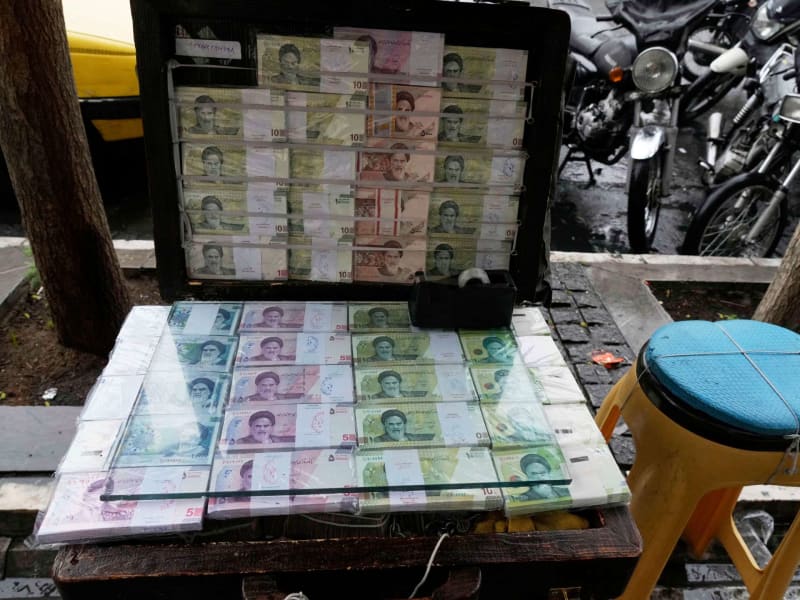
The economic context underlying these protests is stark. Iran's rial has lost almost half its value against the US dollar in 2025, with inflation reaching a staggering 42.5% in December. US and European sanctions, coupled with potential threats of Israeli strikes, have further complicated the nation's economic landscape. The currency's dramatic slide saw it drop from 817,500 to approximately 1.4 million rials per dollar within a single year.
Government spokesperson Fatemeh Mohajerani acknowledged the protesters' grievances, stating that authorities 'recognize' their voices and understand the economic pressures driving the demonstrations. Simultaneously, the government organized a large counter-demonstration in Tehran, featuring flag-waving supporters expressing solidarity with the regime.
This latest round of protests follows a history of public unrest in Iran, including demonstrations over bread prices in May 2022 and the widespread protests triggered by Jina Mahsa Amini's death in 2022-2023. The recent economic liberalization policies have further destabilized the currency market, leading to the resignation of the central bank's chief on Monday.
As tensions continue to simmer, President Pezeshkian's commitment to addressing the economic challenges offers a potential pathway toward dialogue and resolution. The student-led movement represents a powerful reminder of the Iranian people's resilience and their determination to seek meaningful economic reforms.
Based on reporting by DW News
This story was written by BrightWire based on verified news reports.
More Good News
 💡 Solutions
Trump Advocates for Diplomatic Progress in Gaza Ceasefire Negotiations
 💡 Solutions
Iranian President Calls for Dialogue Amid Economic Protests, Urges Responsible Government Action
 💡 Solutions