Indigenous Communities Resilient in Face of Global Challenges: A 2025 Retrospective
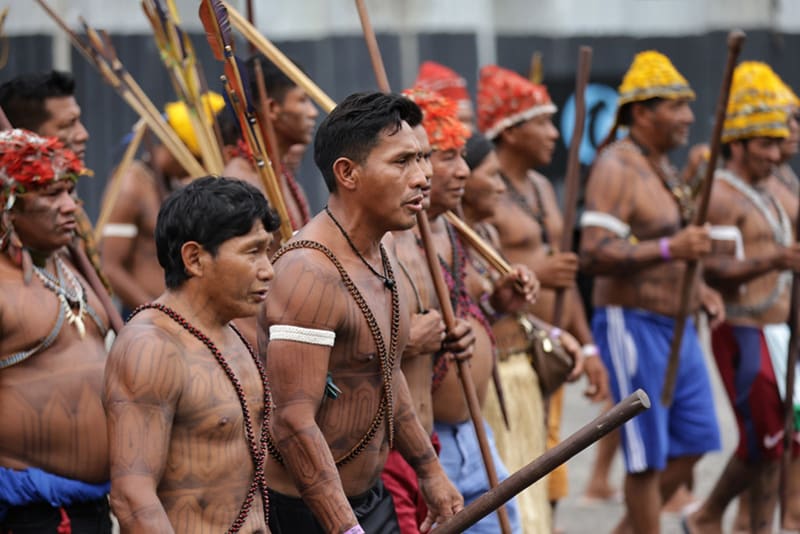
In 2025, Indigenous communities worldwide faced significant challenges but demonstrated extraordinary resilience in protecting their lands and cultures. Their strategic responses to environmental and political pressures offer hope and inspiration for global conservation efforts.
In a year marked by both profound challenges and remarkable resilience, Indigenous communities worldwide demonstrated extraordinary strength and strategic adaptation in protecting their lands, cultures, and environmental heritage.
The year 2025 brought significant setbacks, including unexpected USAID funding cuts in January that strained community-led conservation efforts in critical regions like Ethiopia and the Amazon Basin. Despite these financial challenges, Indigenous groups continued to push for representation and meaningful participation in global environmental dialogues, with an unprecedented number of delegates attending COP30 in Brazil.
Mining and resource extraction remained a critical battleground for Indigenous territories. Many mining projects were approved without proper community consent or sufficient environmental safeguards, perpetuating long-standing tensions around land rights and ecological preservation. Illegal artisanal mining continued to pose serious threats, polluting forests and rivers that Indigenous communities depend on for survival.
However, the year was not without hope. Indigenous communities increasingly formed sophisticated protection units, including women-led Indigenous guards who combined traditional protective strategies with modern technologies. These groups played crucial roles in preventing land invasions and preserving critical ecosystems, often with minimal external support.
Notable victories emerged across different regions. In Northern California, the Yurok Nation reclaimed Blue Creek, a 19,000-hectare watershed considered sacred, marking the largest land-back conservation deal in California's history. This watershed, previously damaged by logging and dams, represents a powerful symbol of Indigenous land restoration and cultural preservation.
In Brazil, Mongabay documented coordinated operations to remove illegal gold miners from Munduruku Indigenous territories, highlighting the ongoing struggles against resource exploitation. While initial government raids did not completely eliminate mining activities, they represented important steps toward protecting Indigenous lands.
The eastern Democratic Republic of Congo presented another complex narrative, where armed conflict linked to mineral resources forced Indigenous Batwa and Bambuti peoples to flee their traditional homes. The M23 rebel group's exploitation of natural resources like gold and coltan underscored the persistent challenges facing Indigenous communities in regions with significant mineral wealth.
These stories from 2025 reveal a complex global landscape where Indigenous communities continue to fight for recognition, environmental protection, and cultural survival. Despite significant obstacles, their resilience, strategic organizing, and deep connection to their lands offer powerful lessons in sustainable stewardship and collective resistance.
Based on reporting by Mongabay
This story was written by BrightWire based on verified news reports.
More Good News
 🦸 Heroes
Basketball Star Shaquille O'Neal Provides Life-Changing Support for Aspiring Police Officer
 🦸 Heroes
NBA Legend Shaquille O'Neal Extends Helping Hand to Aspiring Police Officer Just One Point Shy of Success
 🦸 Heroes
Art Therapy: A Healing Canvas for Veterans Battling PTSD
Start Your Day With Good News
Join 50,000+ readers who wake up to stories that inspire. Delivered fresh every morning.
No spam, ever. Unsubscribe anytime.