How Winter Salt Can Quietly Destroy Our Water and Environment
Winter road salt poses a hidden threat to water quality and ecosystems across the United States. Innovative research and community efforts are revealing sustainable solutions to protect our environment.
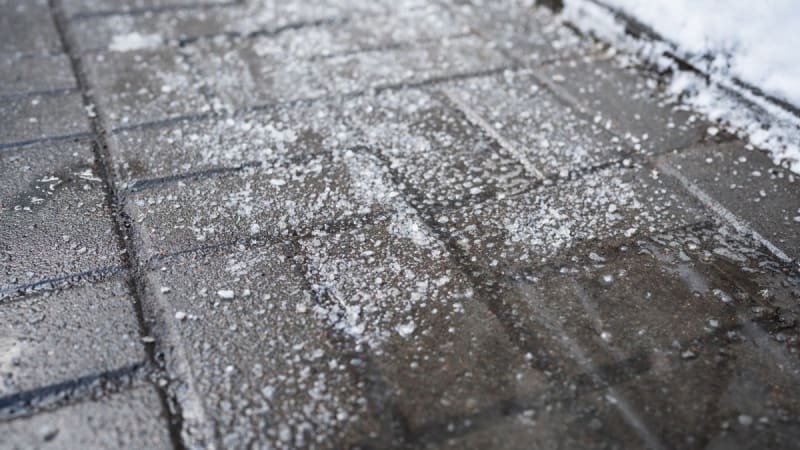
Winter's icy grip transforms sidewalks into treacherous landscapes, prompting residents across the northern United States to reach for massive bags of road salt. But what seems like a simple solution for safety harbors a hidden environmental threat that could compromise water quality, ecosystem health, and even drinking water for millions.
The Lake George Association (LGA) has uncovered a startling environmental crisis emerging from our wintertime salt addiction. Since 1980, scientists have meticulously tracked chloride levels in regional waterways, discovering a shocking threefold increase primarily attributed to road and sidewalk salt usage. Their extensive research reveals that over 60 percent of private wells located near state roads now exceed New York State's drinking water guidance values for sodium.
The environmental and human health implications are profound. Brendan Wiltse, president of the Lake George Association, explains that high salt concentrations create corrosive water that becomes undrinkable, damages plant life, and accelerates appliance deterioration. Even more alarmingly, in homes with older lead pipes, this corrosive water can trigger dangerous lead leaching—a phenomenon reminiscent of the Flint, Michigan water crisis.
Zooplankton, tiny creatures fundamental to aquatic food webs, are experiencing catastrophic impacts from increasing water salinity. These microscopic organisms play a critical role in ecosystem balance by consuming algae and serving as food for larger species. When their populations suffer, the entire ecological chain experiences disruptive reverberations that can have long-lasting consequences.
Recognizing the urgency, Lake George and surrounding municipalities are implementing innovative solutions. They've adopted brining techniques that use just 23 percent salt concentration to prevent ice buildup, invested in advanced plow technologies, and developed the Sustainable Winter Management (SWiM) system to optimize salt usage. A spring 2025 report from the New York City Department of Environmental Protection underscores the importance of these efforts, projecting that continued salt contamination could render some watersheds undrinkable by 2108.
The path forward requires collective action and heightened awareness. By understanding the environmental impact of our winter maintenance practices, communities can make more informed, sustainable choices. Reduced salt application, alternative de-icing methods, and careful monitoring can help protect our water resources, ecosystem health, and ultimately, our own well-being.
As winter approaches, residents are encouraged to approach snow and ice management thoughtfully. Every handful of salt not unnecessarily spread represents a small but meaningful step toward preserving our precious water systems and the delicate environmental balance that sustains us.
Based on reporting by Popular Science
This story was written by BrightWire based on verified news reports.
More Good News
 🌍 Planet
Innovative Solar Solution: ZOUPW 450W Portable Panel Revolutionizes Off-Grid Power Generation
 🌍 Planet
Conservation or Displacement? The Complex Story of Tanzania's Game Reserves
 🌍 Planet
Electric Vehicle Giants BYD and Tesla Dominate Global Battery Electric Vehicle Market
Start Your Day With Good News
Join 50,000+ readers who wake up to stories that inspire. Delivered fresh every morning.
No spam, ever. Unsubscribe anytime.