How Jewish Socialist History Launched NY's Newest Groundbreaking Mayor
Zohran Mamdani's groundbreaking mayoral election connects directly to New York's rich Jewish socialist tradition, challenging simplistic narratives about political identity. His victory represents a powerful continuation of progressive activism that has shaped the city for generations.
When Zohran Mamdani was elected as New York City's first socialist mayor, he wasn't just making political history – he was continuing a profound legacy of progressive Jewish activism that has shaped the city for generations.
Despite facing aggressive opposition from billionaire donors and institutional leaders who attempted to discredit him, Mamdani represents a powerful continuation of New York's radical political tradition. Powerful figures threatened to strip his citizenship and mainstream synagogues launched smear campaigns, but Mamdani's election reveals a deeper, more nuanced narrative about social justice and community transformation.
The story of Mamdani's rise is intimately connected to New York's Jewish socialist history, particularly the radical immigrants who arrived in the early 20th century. At the turn of the century, nearly 600,000 Jewish residents populated the city, creating a vibrant, politically engaged community that transformed urban social structures. These workers packed into Lower East Side tenements, working in garment sweatshops and building mutual aid societies that challenged existing power structures.
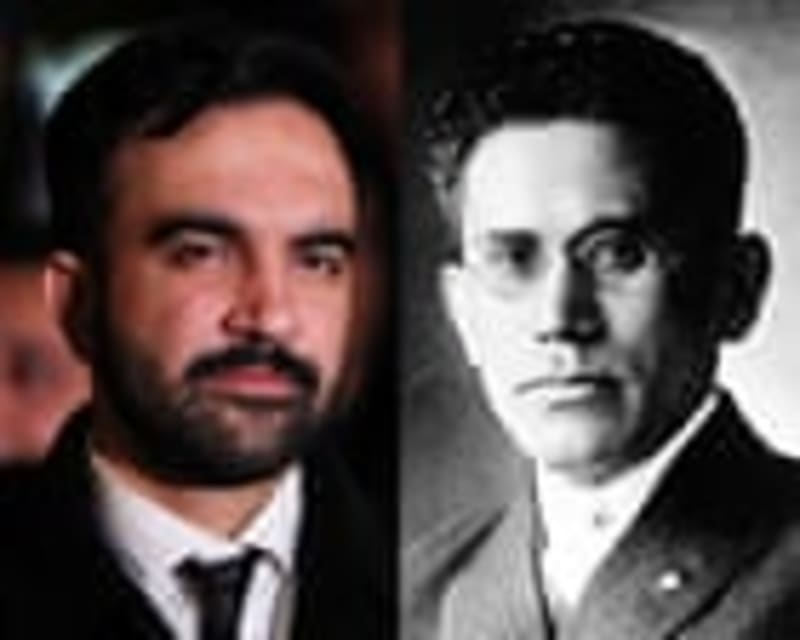
Historical figures like Baruch Charney Vladeck – a Marxist revolutionary who arrived with Cossack saber scars and became a socialist alderman – epitomize the political spirit Mamdani represents. The Jewish Labor Bund, a secular and anti-Zionist movement, embodied the ethos of 'here where we live is our country' – a sentiment that resonates powerfully with Mamdani's own political philosophy.
The narrative of Jewish political engagement is far more complex than mainstream institutions suggest. While some portray post-World War II Jewish communities as uniformly assimilationist, the reality is a rich tapestry of diverse political expressions – from the non-Zionist Satmar community to Soviet immigrants to radical artists and activists like Bernie Sanders.
By the early 20th century, socialist Yiddish newspapers were selling 120,000 copies daily, and organizations like the Workmen's Circle educated thousands of children in secular schools. Two garment worker unions represented over 100,000 workers, creating a powerful infrastructure of solidarity and progressive change.
Mamdani's election, then, is not a radical departure but a profound continuation. He walks in the footsteps of generations of New York activists who believed in building inclusive, equitable communities through grassroots political engagement. His victory represents not just a personal triumph, but a testament to the enduring power of collective action and hope.
Based on reporting by Guardian US
This story was written by BrightWire based on verified news reports.
Spread the positivity! 🌟
Share this good news with someone who needs it
More Good News
 🦸 Heroes
President Tinubu Honors Hadiza Bala-Usman: A Trailblazing Public Servant Turns 50
 🦸 Heroes
Spiritual Leader Urges Nigerians: Faith and Hard Work Will Unlock 2026's Potential
 🦸 Heroes