How China Transformed: The Quiet Revolution of Strategic Governance
China's remarkable 25-year journey reveals how strategic governance, meritocratic leadership, and continuous learning can transform a nation's potential. This quiet revolution reshaped global economic dynamics through visionary, results-driven approaches.
In just 25 remarkable years, China engineered one of the most profound economic and administrative transformations in modern history, redefining not just national potential but global development paradigms.
Far from a sudden breakthrough, China's ascent emerged from a meticulously designed approach combining state vision with market dynamism. The country's strategic journey represented an unprecedented development effort that dramatically reduced global poverty and positioned China as a 21st-century powerhouse.
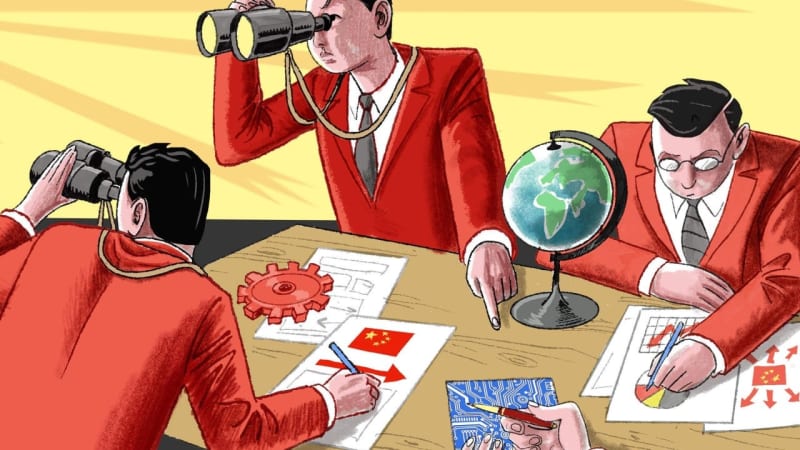
At the heart of this transformation was a revolutionary governance model prioritizing meritocracy over traditional political mechanics. Public servants were no longer mere administrators but strategic leaders treated like corporate executives, with career advancement strictly tied to measurable outcomes in economic growth, infrastructure development, and technological progress.
Local government leaders became quasi-CEOs, competing to demonstrate tangible achievements in job creation, social stability, and innovation. This approach incentivized ground-level experimentation while creating a national pipeline for identifying and promoting exceptional administrative talent.
Continuous learning became another cornerstone of China's strategy. Public sector professionals engaged in ongoing training, policy workshops, and scholarly exchanges, ensuring that administrative capabilities evolved alongside economic challenges. This commitment to institutional knowledge allowed China to manage unprecedented urbanization and industrialization with remarkable precision.
The result was not just economic growth, but a holistic national transformation that positioned China as the driving force of the emerging Global South. By prioritizing long-term strategic planning and cultivating administrative excellence, the country rewrote expectations about national development and governance.
Based on reporting by South China Morning Post
This story was written by BrightWire based on verified news reports.
Spread the positivity! 🌟
Share this good news with someone who needs it