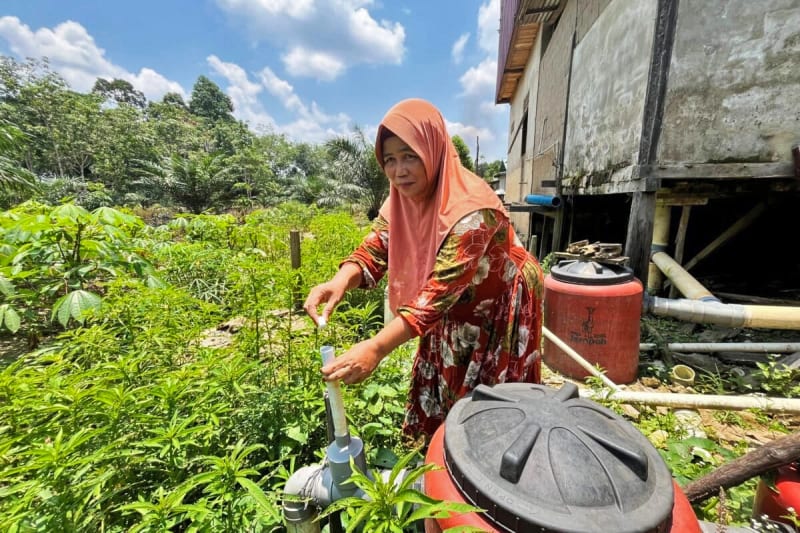
Hope Flows: Indonesian River Community Makes Landmark Public Health Breakthrough
In the heart of Borneo, a riverside community transforms its environmental and health landscape. A new initiative is turning the tide on long-standing sanitation challenges along Indonesia's longest river.
Alongside the muddy waters of the Kapuas River, children's laughter mingles with the rhythmic sounds of mothers washing clothes, symbolizing a remarkable transformation taking place in Sekadau, West Kalimantan. This 1,143-kilometer river, stretching from Borneo's Müller Mountains to the Natuna Sea, has long been a lifeline for local communities, but recent years have brought significant environmental and public health challenges.
Research from Tanjungpura University reveals a stark reality: the river's water contains double the legal limit of lead and 24 times the maximum permitted coliform bacteria level. These alarming findings underscore the complex environmental pressures facing Indonesia's longest river, which has witnessed dramatic changes from expanding plantation and mining activities that contributed to the loss of one-fifth of West Kalimantan's old-growth rainforest between 2002 and 2024.
The most critical transformation, however, is happening in public health practices. Traditionally, open defecation along the riverbanks was a common practice, creating a dangerous cycle of potential disease transmission. Dr. Prasetyo Widhi Buwono from Indonesia's association of internist doctors warns that such pollution can spread bacteria causing gastrointestinal infections, including diarrhea and gastroenteritis.
Drawing inspiration from successful global sanitation initiatives like India's Total Sanitation Campaign, which reduced rural open defecation from 85% to 17% between 2002 and 2022, local authorities in Sekadau have implemented comprehensive community health interventions. These efforts aim to address the long-term consequences of poor sanitation, including child stunting and increased risk of chronic health conditions.
The milestone comes despite challenges, including reduced international aid following policy changes like the Trump administration's dismantling of USAID, which previously provided $55 million for water, sanitation, and hygiene projects in Indonesia between 2012 and 2014. Local leadership, exemplified by Henry Alpius from the Sekadau district's family planning and health office, has been crucial in driving these transformative changes.
While a complete river rehabilitation would require addressing industrial pollution from mines and plantations, the community's progress in sanitation represents a significant step forward. The laughter of children playing by the river's edge now carries a message of hope – a testament to the community's resilience and commitment to improving environmental and public health conditions.
Based on reporting by Mongabay
This story was written by BrightWire based on verified news reports.
More Good News
 💡 Solutions
China Leads Diplomatic Efforts to Resolve Cambodia-Thailand Border Conflict
 💡 Solutions
South Korea's President Returns to Historic Presidential Palace, Symbolizing Democratic Renewal
 💡 Solutions
Trump Advocates for Peace: Bold Plan Targets Hamas Disarmament in Gaza
Start Your Day With Good News
Join 50,000+ readers who wake up to stories that inspire. Delivered fresh every morning.
No spam, ever. Unsubscribe anytime.